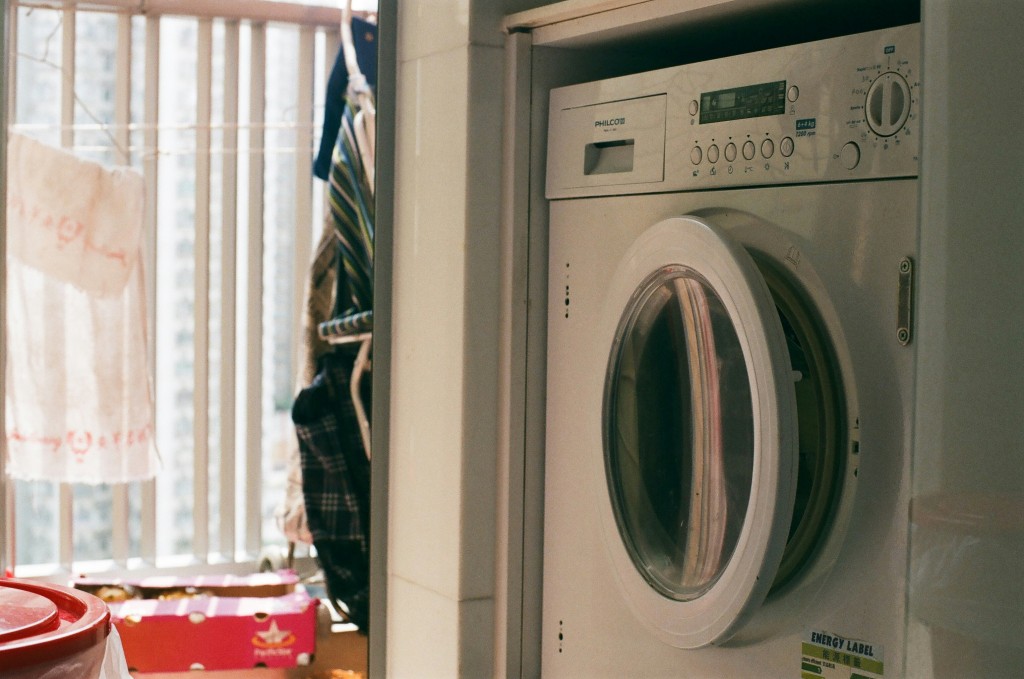
Leaving the washing machine lid closed after use can easily turn it into a mold breeding ground. Many people in Hong Kong also frequently make one common laundry mistake that inadvertently provides ample nutrients for mold growth. Experts share 5 methods to prevent mold problems in washing machines.
Japanese media grape cited Japanese home appliance manufacturer Toshiba, stating that the three main causes of mold growth inside a washing machine are humidity, detergent residue, and the accumulation of human sebum. After each wash, moisture inevitably remains inside the drum. If the lid is kept tightly closed, air circulation is severely hindered, making it difficult for the interior to dry. When chemical residues from laundry detergent mix with dirt from clothes in a damp, warm, enclosed space, it creates an ideal environment for mold to multiply rapidly. To fundamentally solve the problem of washing machine mold and odor, Toshiba specifically recommends the following 5 methods to effectively prevent mold growth:
5 Tips to Prevent Mold in Washing Machines
1. Open the Lid for Ventilation After Washing
After the washing cycle ends, it is strongly recommended to open the lid to allow fresh air to flow into the drum, accelerating moisture evaporation. Even if you can't achieve 100% complete drying, this significantly lowers the internal humidity and effectively inhibits mold growth.
2. Use the Correct Amount of Detergent and Fabric Softener
Using excessive amounts of detergent or fabric softener easily leaves behind undissolved chemical residues, which in turn become a breeding ground for mold. Therefore, it is essential to strictly control the amount of detergent based on the laundry load. If measuring laundry each time feels too tedious, make use of the machine's built-in automatic detergent dispensing function, which uses a computer to accurately detect and dispense the optimal amount.
3. Use the Self-Cleaning Function
Most modern washing machines come equipped with a self-cleaning function, which is tremendously helpful for mold prevention. This function typically activates during the final rinse cycle, using powerful water flow generated by high-speed spinning to thoroughly flush away dirt accumulated in hidden areas like the outer tub. Running an automatic internal clean after each wash significantly reduces the chance of grime buildup, thereby preventing mold growth.
4. Regularly Clean the Drain Filter
The drain filter is a critical area where moisture and dirt easily accumulate, making it a mold breeding ground. It is recommended to check the filter after each wash and clean out any collected debris.
5. Do Not Let Laundry Accumulate in the Washing Machine Drum
Many people habitually stuff their daily dirty clothes directly into the washing machine drum for temporary storage. However, worn clothes are a source of nutrients for mold growth and also contain moisture. Therefore, it is not advisable to use the washing machine as a laundry basket. The correct practice is to place dirty clothes in a well-ventilated laundry basket and only put them into the washing machine when you are ready to start a wash cycle.
Experts also remind that if your washing machine is installed in an outdoor environment such as a balcony or open area, to prevent insects from crawling in or leaves from accumulating, it is best to close the lid after washing and take other preventive measures for mold maintenance.
Source: grape