Coming home and taking a hot shower is a routine for many office workers to wash away a day's fatigue. However, showering right before bed may actually affect sleep quality. A Chinese medicine doctor explains the optimal water temperature and timing for bathing, and shares 3 relaxation methods targeting those who stand or sit for long periods to help eliminate fatigue.
According to Taiwan's Common Health Magazine, the key to truly eliminating fatigue and improving insomnia lies in the water temperature and timing of your bath. Dr. Lin Kun-wei, an attending physician in the Division of Integrated Chinese and Western Medicine at Chung Shan Medical University Hospital, states that whether you sit or stand all day, the muscles of your lower back, shoulders, and neck tend to be chronically tense. When the body cannot relax, not only does fatigue persist, but it can also lead to "excessive internal heat," which affects falling asleep. Taking a warm bath after work helps relieve tense muscles. From a Chinese medicine perspective, this is equivalent to "opening the body's cooling mechanism," allowing internal heat to dissipate. When internal heat is released, the body naturally relaxes, and sleepiness follows.
When is the best time to bathe for sleep promotion? Lin suggests the golden window is about 1 hour after dinner to 2 hours before bedtime. Many people are accustomed to showering right before sleep. However, using a hairdryer after washing stimulates the head with hot air, which may actually make you more alert. If you finish showering 2 hours before bed, your body has enough time to gradually cool down and relax, helping you transition into sleep.
Regarding water temperature, Lin points out there is no absolute standard, as it depends on heater settings, water flow, and individual perception. The only principle is: "use a temperature that feels warm and non-stimulating." Excessively hot or cold water temperatures stimulate the body's regulatory mechanisms, putting the brain in an excited state, which not only hinders falling asleep but also prevents relaxation. Additionally, soaking in a bath for too long can strip moisture from your skin, increasing physical burden and leaving you feeling more tired.
Bath Water Temperature, Timing, and Methods: 3 Relaxation Techniques for Different Groups
Lin notes that the sources of fatigue vary among different groups, so bathing methods should be adjusted accordingly to achieve a relaxing effect:
1. For Those Who Stand All Day
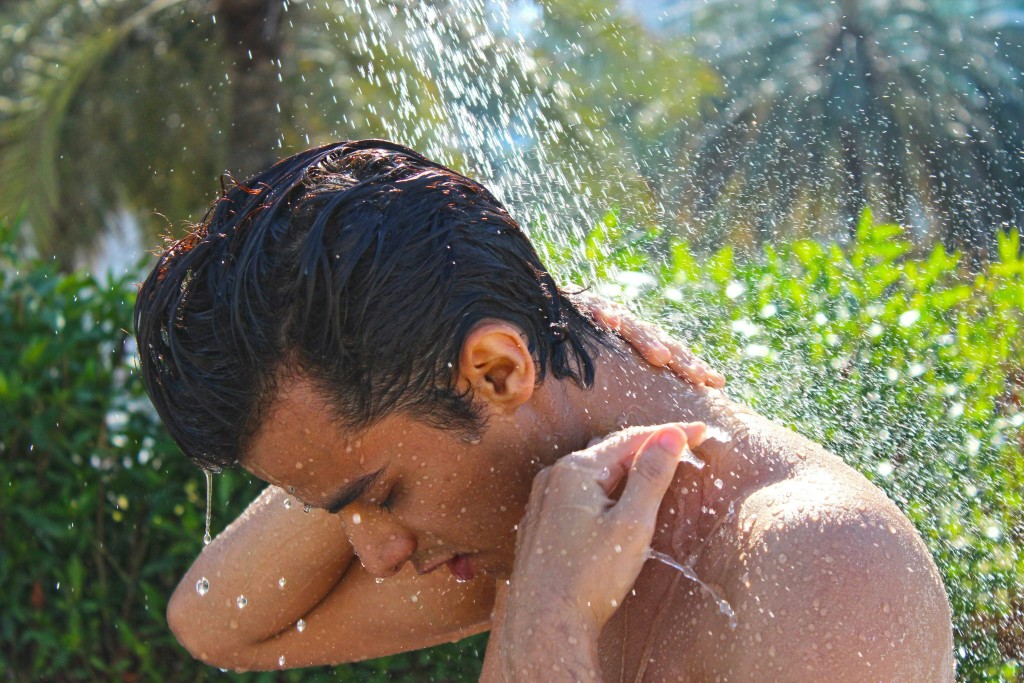
Legs and lower back are most prone to soreness, along with stiff shoulders and neck. It is recommended to soak in a warm bath. If showering, concentrate the warm water spray on the neck and shoulder area. After bathing, while the body is still warm, do some simple stretching – this doubles the relaxation effect.
2. For Those Who Sit All Day
Office workers who sit for prolonged periods (e.g., professional drivers) most commonly experience lower back discomfort. When showering, direct warm water onto the lower back area. After washing, follow up with lower back stretching exercises.
3. For Manual Laborers
Outdoor laborers also tend to have tense muscles, but because they sweat profusely, internal heat is more easily dissipated. People in this group should not bathe for too long. Crucially, drink water before bathing to rehydrate, and avoid dehydration from further sweating during the bath, which could trigger blood pressure fluctuations or dizziness.
3 Common Bathing Mistakes: Avoid Showering Immediately After Meals
Lin also warns about 3 common bathing mistakes that can affect sleep quality, digestion, and more:
1. Showering Immediately After a Meal
After eating, the body needs to direct energy to the stomach and intestines for digestion. Showering at this time activates the body's cooling mechanism, diverting energy away from digestion. People with weak digestive function, those with large blood sugar fluctuations, or those who have just eaten a greasy meal are particularly prone to gastrointestinal discomfort.
2. Not Drying Hair After Washing
Many people, especially women, habitually apply skincare products after showering and wrap their wet hair in a towel to air dry. This effectively traps moisture around the head. An ancient Chinese medicine text states: "If you get wind on a freshly washed head, you may develop headaches." "After washing, do not expose your head to drafts, do not leave it wet and tied, and do not lay your head down while damp, as this may cause dizziness and heaviness." This means that allowing your head to remain damp for extended periods after washing makes it highly susceptible to catching a chill and inducing "head wind," symptoms like dizziness, headache, and head congestion. It is recommended to dry your hair as soon as possible after showering, avoid wrapping it in a towel for over half an hour, and especially avoid going to sleep with damp hair.
3. Soaking in a Hot Bath to Induce Sweat When Having a Fever
Some people believe that soaking in a hot bath during a fever can induce sweating and relieve discomfort. However, fever is often accompanied by dizziness. Soaking in a bath increases the risk of orthostatic hypotension or falls. It is better to take a quick warm shower instead. After showering, put on warm clothing and drink warm water, allowing your body to naturally produce a light sweat. This is safer and helps alleviate discomfort.
Source: Common Health Magazine (Taiwan)