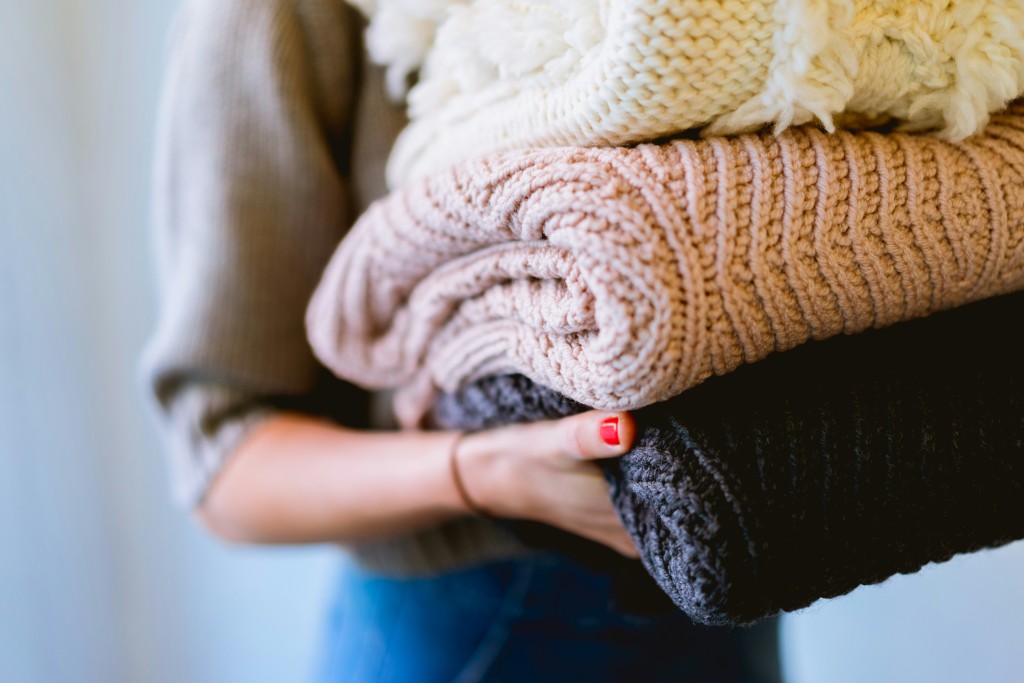
Laundry seems simple, but many people find their clothes developing more problems over time: musty odors and yellowing on collars and cuffs. A Taiwanese laundry expert recently shared practical tips on a TV program, covering everything from pre-treatment and water temperature selection to drying and storage, helping everyone extend the life of their clothes.
Laundry Tip: Long-Stored Clothes Can Develop Odors and Yellow Spots
When the seasons change, it's inevitable to take out clothes that have been stored for a while. These clothes can develop odors and yellow spots, caused by the oxidation of sweat stains and sebum. Experts advise:
- Avoid vigorous shaking when taking out clothes: This can stir up allergens. It's recommended to wear a mask.
- Electronic wardrobe: Units with UV and high-temperature steam functions can disinfect, remove dust mites, and eliminate lingering odors like those from hot pot or long-term storage.
- Dryer or high-temperature steam iron: Heat can kill bacteria.
Laundry Tip: Soak for No More Than 10 Minutes; Use White Vinegar Instead of Fabric Softener
Many people find that the collars and cuffs of white clothes turn yellow after a season in storage. To remove yellow stains, many think soaking for a long time is the answer—but that's not correct! Laundry detergent is effective for about 4 hours. Soaking longer can cause the already loosened dirt to reattach to the fabric, resulting in "reverse contamination." For white clothes, soak for a maximum of 10 minutes. Also, avoid soaking different colors together to prevent dye transfer.
- Add a small amount of dish soap (about one teaspoon) to the wash to effectively break down oils.
- Use water at 45-50°C (warm tap water is sufficient) for better stain removal.
- For dark clothes, wash with cold water to preserve color.
- Adding white vinegar during the rinse cycle neutralizes alkaline detergent residue, making clothes soft and improving their feel—a natural and healthy method.
Laundry Tip: Sun-Drying May Not Kill Dust Mites
What if clothes already have a slight musty smell? Many believe sunlight has a sterilizing effect. However, dust mites require temperatures above 50°C for 30 consecutive minutes to be killed. The highest summer temperatures are around 40°C. Sun-drying alone cannot achieve this, so the mite removal effect is limited. More effective methods include:
- Dryer: Effectively reduces humidity and eliminates odors. Use 60°C for drying, but be careful as cotton fabrics may shrink. Items like underwear and pajamas can be dried this way.
- Steam iron: For long-stored items like coats, thoroughly steam iron from the inside out to help sterilize and prevent skin itching after wearing.
If you prefer sun-drying, first dry the clothes in a dryer to remove moisture before placing them in the sun. While dry cleaning can prevent deformation, most stains are water-soluble (such as sweat and food stains). Dry cleaning is not very effective on water-soluble stains and may even leave residual odors. Experts advise that if the fabric allows, occasional water washing is actually cleaner and more hygienic.
Laundry Tip: Thoroughly Dry Clothes Before Storage; Address Mold Properly
Never assume clothes are completely dry just because they feel dry to the touch. Heavy winter clothing requires ensuring the innermost layers are dry to prevent bacterial growth after storage.
- Step 1: Check for complete dryness: Experts note that if clothes are not thoroughly dry before storage—especially thick jackets, the crotch area of jeans, or multi-layered fabrics—hidden moisture can lead to mold growth. Check the crotch area of pants; if that area is dry, the entire garment is truly dry.
- Step 2: Treat moldy clothes: For moldy clothes taken out during seasonal changes, apply natural black soap to the surface of the mold spots. Black soap effectively kills mold. After application, air dry indoors for 3-4 hours before hanging back in the closet.