Hong Kong weather is hot. Many people think it's safe to just drink water. However, an expert warns that relying solely on water is insufficient; electrolyte balance is also crucial. Otherwise, symptoms like dizziness, mental confusion, or even coma can occur.
Elderly Person Becomes Dizzy and Groggy After a Walk – Caused by Low Sodium
Nutritional and functional medicine expert Dr. Lau Pok-yan shared a case of an elderly individual who spent an extended period outdoors in the morning. Subsequently, they became slow to react and spoke unclearly. Examination revealed low sodium levels; intravenous saline was needed to stabilize them.
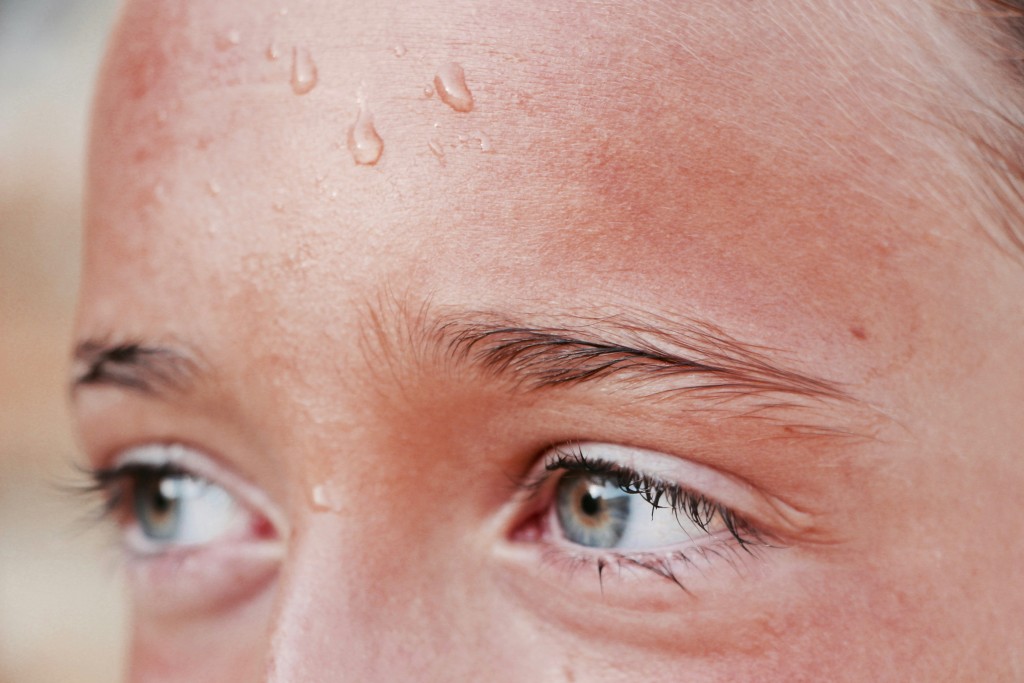
He points out that people who drink only plain water after heavy sweating, are exposed to the sun for long periods, have poor kidney function, or have chronic diseases are prone to "low sodium." Those who sweat heavily, have diarrhea, or take diuretics need to pay more attention to "low potassium." Sometimes, the real problem isn't heatstroke collapse, but "electrolyte imbalance."
5 Golden Rules for Summer Hydration
Electrolytes are the body's charged minerals, including sodium, potassium, calcium, and magnesium. They are responsible for nerve transmission, muscle contraction, heart rhythm stability, and fluid regulation. An imbalance can cause dizziness, nausea, weakness, cramps, palpitations, even arrhythmia or coma. Lau recommends 5 golden rules for summer hydration:
- Don't wait until you're thirsty to drink; feeling thirsty may already mean mild dehydration.
- Drink small amounts frequently; avoid chugging large volumes at once.
- When sweating heavily, replenish electrolytes in addition to water.
- Elderly people have a weaker thirst sensation and need special attention.
- Observe urine color; light yellow is the ideal state.
Drinking Ice Water After Exercise Can Upset the Stomach
Some people immediately chug large amounts of ice water after hiking or exercising in summer. This isn't really correct. When the body is in a state of high temperature, dilated blood vessels, and increased heart rate, suddenly drinking large amounts of ice water can cause gastrointestinal discomfort, sudden blood vessel constriction, and trigger dizziness or discomfort.
Correct Practice:
- Rest in a shaded area.
- Slowly replenish with room temperature water.
- Drink small amounts frequently.
- If sweating heavily, replenish electrolytes moderately.
However, Lau reminds that sports drinks are not low in sugar and should not be consumed as a daily water substitute. People working outdoors for long periods, exercising in high heat, sweating heavily, or having diarrhea can moderately replenish with electrolyte drinks.
If the following symptoms occur, do not mistake them for mere fatigue. They could indicate heat injury or electrolyte imbalance. Seek medical attention promptly:
- Unconsciousness
- Severe dizziness
- Palpitations
- Difficulty breathing
- Inability to stand steadily
- Persistent vomiting
Lau emphasizes that hydration is not just about health preservation; it's about preserving life. When the weather is hot, remember to hydrate correctly, don't push yourself too hard, and enjoy summer safely.