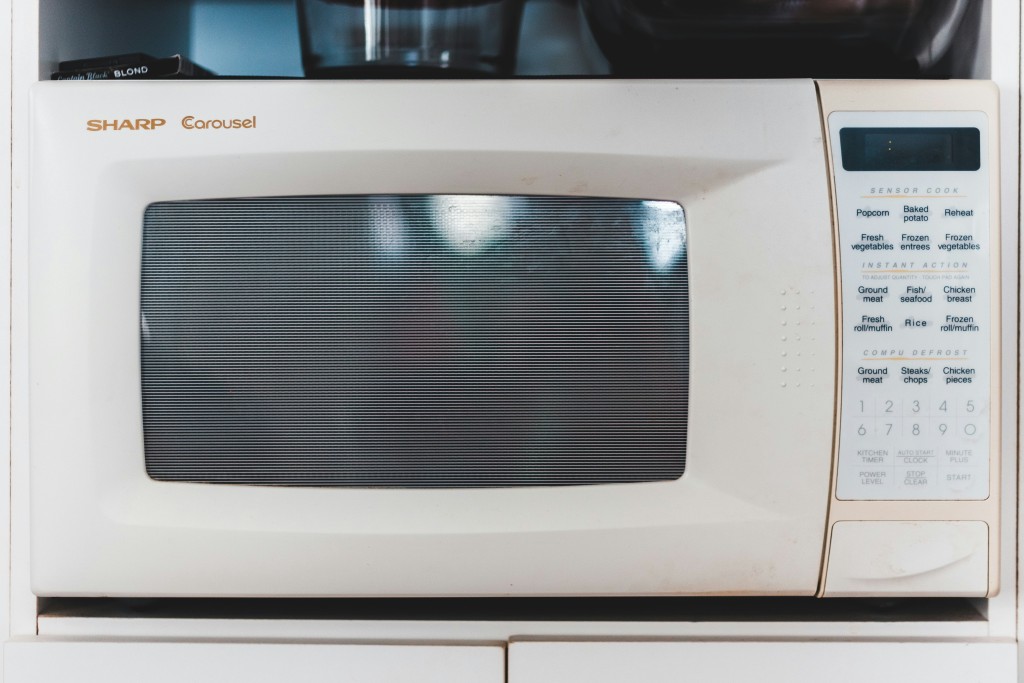
We use microwaves frequently, but when was the last time you cleaned yours? Experts warn that if left uncleaned for extended periods, microwaves not only develop unpleasant odors and heat food unevenly, but food residue can also become a breeding ground for bacteria. To easily remove grease, an expert shares a 5-step natural steam cleaning method that quickly dissolves even the most stubborn buildup, while simultaneously deodorizing and disinfecting.
Expert's 5-Step Natural Steam Cleaning Method for Microwaves
According to foreign media EatingWell, microwaves are surprisingly prone to trapping dirt and grime. Food splatters and steam accumulate with every use. If not cleaned promptly, once stains harden, they not only cause unpleasant odors but also lead to uneven heating. Katie, founder of a cleaning service company, warns that continuously accumulating food residue, besides affecting microwave performance, can breed bacteria. To ensure the safety of your family's food, she shares a natural steam cleaning trick. Just follow these 5 simple steps for fast stain removal and disinfection:
Natural Steam Method for Cleaning a Microwave
Items to Prepare:
- Microfiber cloth
- Microwave-safe bowl or cup
- Water
- Lemon
- Vinegar
Steps:
- Pour liquid into a microwave-safe bowl or cup: You can choose water, lemon water, or vinegar. While vinegar has the strongest dissolving power for stains, its smell is stronger. If you dislike the smell of vinegar, dilute it with water or use lemon water instead. Vinegar itself is not a disinfectant; this method relies on the subsequent steam to kill bacteria.
- Place the bowl with liquid into the microwave. Heat until boiling, then let the microwave sit with the steam inside for at least 3 minutes, until you see the microwave window completely fogged up. This充分利用 (fully utilizes) the cleaning power of high-temperature steam to soften stubborn grime and food residue.
- After letting it sit to soften the grime, carefully remove the hot cup or bowl and pour out the liquid.
- Use a microfiber cloth to wipe the inside of the microwave. Be sure to wipe the ceiling (top interior) of the microwave, as this is where food most easily splatters. Besides the interior, don't forget to wipe exterior high-touch points like the handle and buttons, which also easily accumulate grease and bacteria. During this process, avoid using harsh chemical cleaners.
- If the microwave has a removable glass turntable plate, take it out, wash it thoroughly with dish soap (like washing regular dishes), dry it, and then put it back into the microwave.
4 Tips for Microwave Cleaning
Experts emphasize the importance of simple cleaning weekly and deep cleaning monthly. You can also use the following 4 tips to reduce grime buildup:
- Quickly wipe the interior after each use to prevent the next meal from absorbing the previous meal's odors.
- Clean food residue before it hardens and dries – this is the most time and effort-efficient method.
- Even if surfaces look clean, regularly check corners for dirt accumulation.
- Use a microwave-safe food cover or lid to cover food during heating to prevent splattering. Avoid using plastic lids that are not heat-resistant.
Source: EatingWell