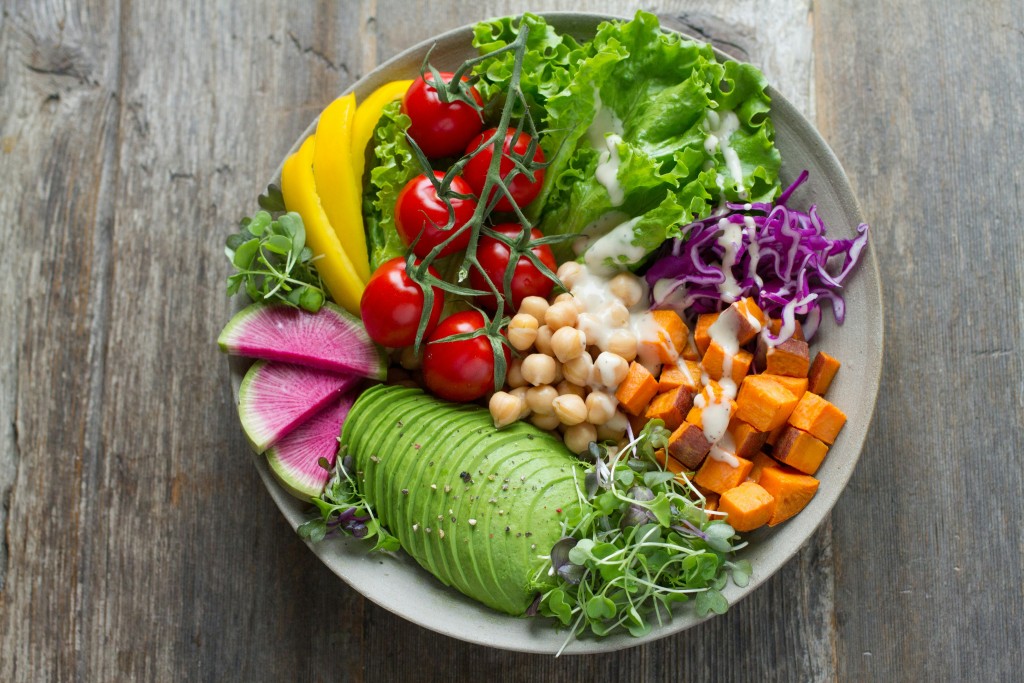
When people think of healthy eating or weight loss meals, a colorful vegetable salad is often the first thing that comes to mind. However, a dietitian warns that not everyone is suited to making raw vegetable salads a staple food. For some people, eating raw vegetables not only fails to promote smooth bowel movements but can actually backfire, triggering indigestion, gastrointestinal discomfort, and even worsening constipation. So, how can you eat vegetable salad in a healthy way?
Dietitian Lyu Mei-bao posted on her Facebook page that while vegetable salads are healthy, not everyone can eat large amounts of salad greens. For people with "normal digestive function and stable intestinal condition," vegetable salad is indeed a good meal option. Raw vegetables are rich not only in dietary fiber (which promotes bowel movements) but also in vitamins, minerals, and various phytochemicals that help with antioxidant activity, boost metabolism, and reduce the body's burden.
However, if your physical condition is not suitable, eating too many salad greens can actually make your gastrointestinal discomfort worse. Health is not about everyone eating the same specific foods – it's about finding a diet that truly suits your individual body. The key to whether raw vegetables are appropriate for you lies in your digestive function and intestinal state.
- People with sensitive guts: For example, those prone to bloating, indigestion, abdominal distension, or abdominal pain. Because raw vegetables contain more coarse fiber, eating too many may increase the burden on the gastrointestinal tract, potentially worsening bloating, cramping, or difficulty with bowel movements.
- People with inflammatory bowel disease (IBD) or small intestinal bacterial overgrowth (SIBO):Because some raw, cold vegetables ferment easily in the intestines, they may worsen bloating, abdominal pain, or discomfort. Therefore, large amounts of raw salad greens are not necessarily suitable as a daily staple food.
For the people mentioned above, cooked vegetables are a better choice. Heat pre-digestion can reduce the burden on the gastrointestinal tract.
4 Principles for Eating Raw Vegetables to Reduce Gastrointestinal Burden
Lyu emphasizes that elderly people, children, or those with weaker digestive function or sensitive guts are not completely forbidden from eating salad – they just need to choose eating methods that reduce the burden.
- Choose tender greens: Select vegetable varieties with softer, more tender leaves.
- Start with small portions: Begin with a small amount, observe your body's response, and then decide whether to increase the portion.
- Chew thoroughly: Cut vegetables into smaller pieces and chew slowly and carefully.
- Drink plenty of water: If you are prone to constipation, remember that when you increase fiber intake, you must also drink enough water. Adding a moderate amount of nuts for healthy oils can also help promote smooth bowel movements.
Which Vegetables Are Best Eaten Raw vs. Cooked?
Registered Canadian dietitian Avery Zenker notes that cooking methods affect the nutritional value of vegetables and the body's absorption rate. Generally speaking, raw vegetables retain the highest nutritional value, preserving the most antioxidants, polyphenols, B vitamins, and vitamin C.
Best eaten raw: Lettuce, bell peppers, and cucumbers are most recommended for raw consumption.
Best lightly cooked (avoid high-heat stir-frying to prevent nutrient loss): Onions and garlic, carrots, mushrooms, green beans and snow peas, asparagus, and cruciferous vegetables (such as broccoli and cauliflower). Steaming and microwaving are most effective at retaining most nutrients.
Must be fully cooked: Some vegetables need to be fully cooked – either to release specific nutrients or to remove certain components that interfere with absorption.
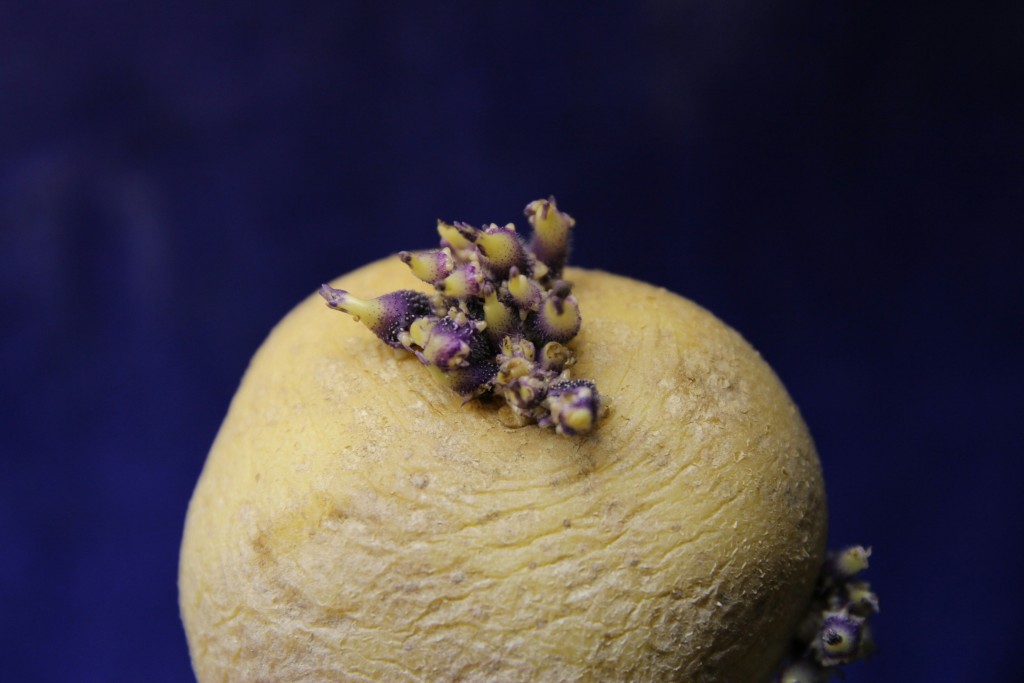
- Potatoes: Rich in resistant starch, raw potatoes are difficult to digest.
- Spinach: Contains oxalates, which bind to minerals such as calcium and iron, hindering their absorption. Cooking reduces oxalate levels, making calcium and iron more easily absorbed by the body.
- Tomatoes: Slow-cooking tomatoes increases their content of the antioxidant lycopene.