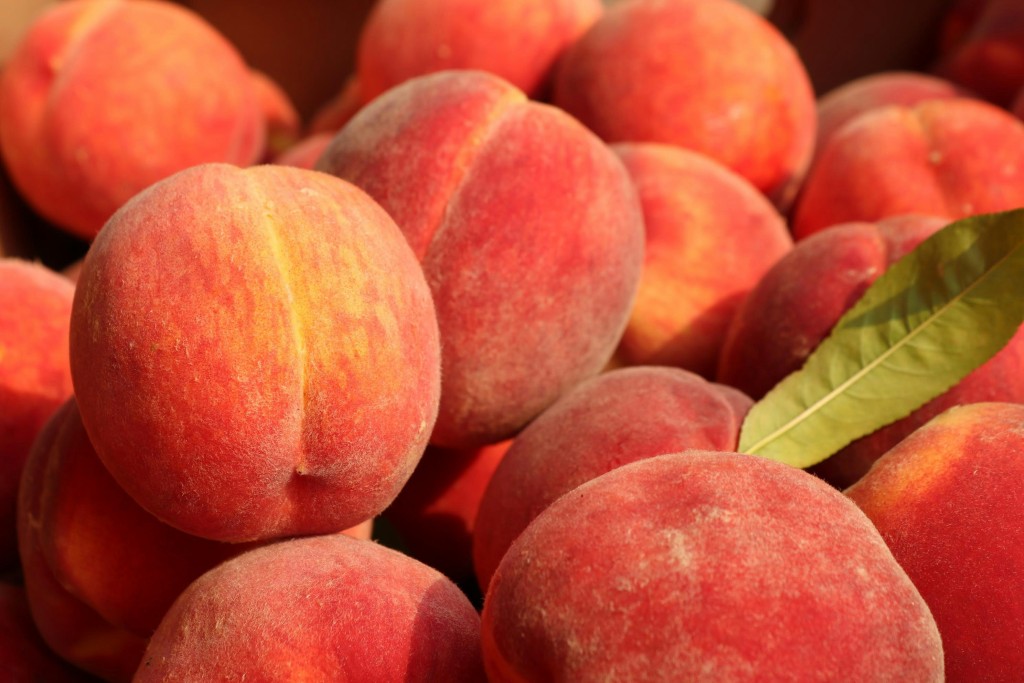
Summer is hot, and it's peach season. A nutritionist breaks down the nutritional benefits of 4 types of peaches. White peaches are an anti-inflammatory powerhouse, and flat peaches are the best choice for lowering blood pressure. However, eating peaches is not a case of "the more, the merrier." Incorrect portions can send your blood sugar soaring. How can you eat them more healthily?
Nutritionist Yeung Sze-han posted on her Facebook page that summer brings a bounty of sweet, juicy peaches. Different varieties not only have different flavors but also vastly different nutritional values. She breaks down the nutritional benefits of 4 peach varieties, helping you eat both healthily and happily:
1. White Peach (Soft Peach)
- Characteristics: Covered with soft fuzz, white flesh, very high water content, soft and juicy texture.
- Key Nutrients: Rich in Vitamin C and polyphenols such as chlorogenic acid.
- Primary Benefit: Possesses strong antioxidant capacity, helping the body combat free radicals and effectively reduce inflammatory responses.
2. Nectarine
- Characteristics: Smooth, fuzz-free skin, crisp texture, high sweetness.
- Key Nutrients: Usually contains slightly more beta-carotene and dietary fiber than white peaches.
- Primary Benefit: Promotes intestinal motility, helps maintain gut health.
3. Yellow Peach
- Characteristics: Golden-yellow flesh, slightly tart and sweet.
- Key Nutrients: The golden color indicates richness in Vitamin A and beta-carotene.
- Primary Benefit: Effectively protects eyesight and maintains mucosal health.
4. Flat Peach (Saturn Peach / Donut Peach)
- Characteristics: Flat, slightly indented shape, very high sweetness, intense aroma.
- Key Nutrients: Particularly rich in potassium.
- Primary Benefit: Helps maintain sodium-potassium balance in the body, aiding in blood pressure regulation.
Nutritionist's Best Serving Tips: 4 Groups Who Need to Watch Their Peach Portions
Yeung points out that while peaches are nutritious, excessive intake can still burden the body. Understanding proper portions is key to maintaining stable blood sugar and succeeding in a low-sugar diet.
- 1 Serving of Fruit: Contains approximately 15 grams of carbohydrates and about 60 calories.
- 1 Serving of Peaches: Equivalent to 1 medium-sized peach (about the size of an adult's fist, with peeled and pitted flesh weighing about 130-150 grams). If cut into pieces, it fills about 80% of a standard rice bowl.
- Best Serving Advice: Limit daily fruit intake to 2 servings or less, and remember to eat them separately (e.g., have one serving as a snack between breakfast and lunch, and another between lunch and dinner) to avoid consuming too much fructose at once, which can cause large blood sugar fluctuations.
While enjoying summer peaches, Yeung reminds the following 4 groups to pay special attention to their intake:
- Diabetics: Peaches have a GI value around 30-45, classified as low to medium glycemic index fruit, relatively gentle on blood sugar. The key is strictly adhering to the "2 servings per day, eaten separately" rule. It is strongly recommended to eat the whole fruit (chewing it well) to use natural dietary fiber to slow sugar absorption. Absolutely avoid processed products like canned peaches, fruit jelly, or juice.
- Chronic Kidney Disease Patients: Peaches are moderate-potassium fruits, containing about 150-200 mg of potassium per 100 grams. For kidney patients needing to limit potassium, limit intake to 1 peach per day, and count this portion accurately within your daily potassium allowance. If your recent blood potassium levels are high, consider temporarily switching to lower-potassium fruits like apples or grapes.
- Individuals with Allergies: The fuzz on white peaches can easily cause skin itching, rashes, or respiratory allergies (oral allergy syndrome). When washing, use a soft brush or rub the surface gently with a paper towel dipped in salt. The safest method is to peel the peach before eating.
- Those with Sensitive Stomachs or Irritable Bowel Syndrome (IBS): Peaches contain relatively more sorbitol and fructans. These fermentable carbohydrates (FODMAPs) can easily produce gas in the intestines. If you have a sensitive stomach, eating too many at once may cause bloating, abdominal pain, or diarrhea. It is recommended to eat small amounts.
Source: Nutritionist Yeung Sze-han