Many people in Hong Kong pursue health by avoiding processed junk food and switching to whole foods, believing that "natural ingredients won't cause major problems." However, experts point out that in hospital emergency rooms, many patients are sent there not by junk food, but by foods that are "too natural."
Nephrologist Dr. Hong Wing-xiang shared on his personal Facebook page that many plants in nature contain natural toxins. Some toxins cannot be completely destroyed even by high-temperature cooking. Hong shared a case and named the 5 most common natural foods that cause poisoning:
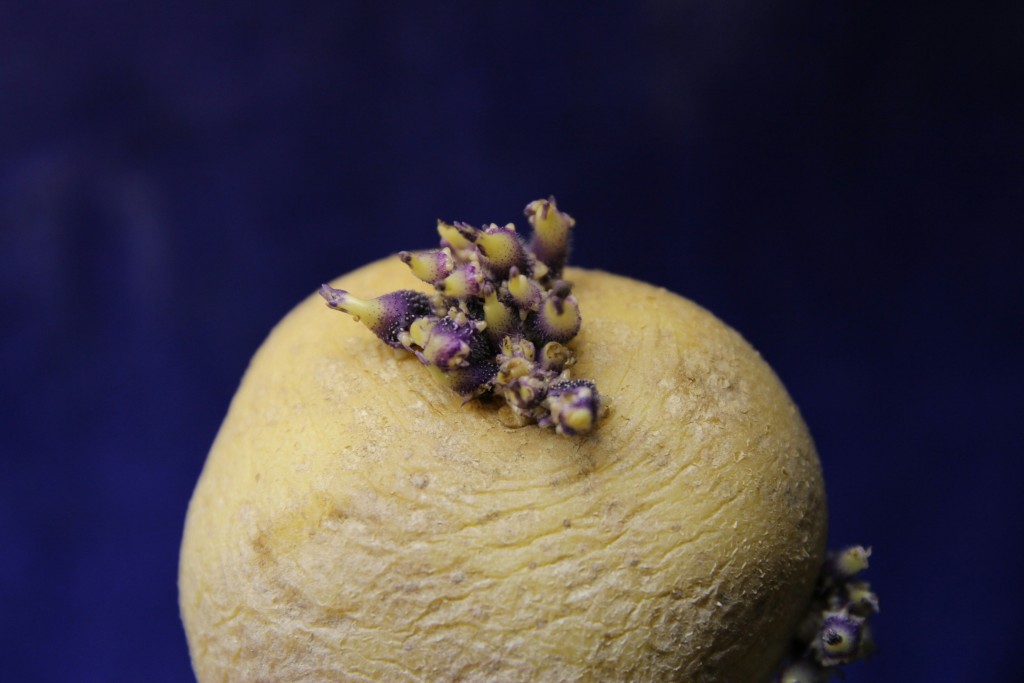
A 40-year-old office worker was cooking at home when he found a bag of sprouted potatoes in a corner. He thought, "Sprouted beans become bean sprouts, more nutritious. Sprouted potatoes should be similar, right?" So he cut out the sprout eyes and deep-fried them at high heat, thinking that would make them safe.
Less than two hours after eating, the man began experiencing nausea, a numb tongue, violent vomiting, dizziness, cold sweats, abdominal cramps, and diarrhea. By the time he arrived at the emergency room, he was disoriented. Doctors diagnosed acute food poisoning from solanine poisoning.
5 Most Common Natural Foods That Cause Poisoning
1. Sprouted Potatoes
When potatoes sprout, turn green, or are stored for too long, they produce the neurotoxin solanine. This toxin is heat-stable and resistant to breakdown, even with deep-frying. Simply digging out the sprout eyes is insufficient, as the toxin may have spread throughout the potato.
- Poisoning Symptoms: Mild poisoning includes a numb tongue, diarrhea, and nausea. Severe cases can lead to confusion, respiratory failure, with higher risk for the elderly and children.
- Recommendation: Discard potatoes that have sprouted, turned green, or taste bitter.
2. Undercooked Legumes (e.g., Green Beans, Kidney Beans)
Legumes contain phytohemagglutinin (PHA), with red kidney beans being the most toxic. The US FDA states that just a few undercooked red kidney beans can cause acute poisoning.
- Poisoning Symptoms: One woman who quickly stir-fried green beans to retain their crunch for weight loss experienced severe abdominal pain, vomiting, dehydration, and worsening kidney function within two hours.
- Recommendation: Legumes must be thoroughly cooked; do not aim for a crisp-tender texture.
3. Cassava and Bamboo Shoots
Cassava and some bamboo shoots contain cyanogenic glycosides, which release toxic cyanide after digestion.
- Poisoning Symptoms: Improper handling can cause nausea, dizziness, and can be fatal in severe cases.
- Recommendation: The correct handling method is "soak, slice, and cook thoroughly." Do not cover the pot while cooking, allowing toxins to escape with the steam.
4. Bitter Almonds and Fruit Pits
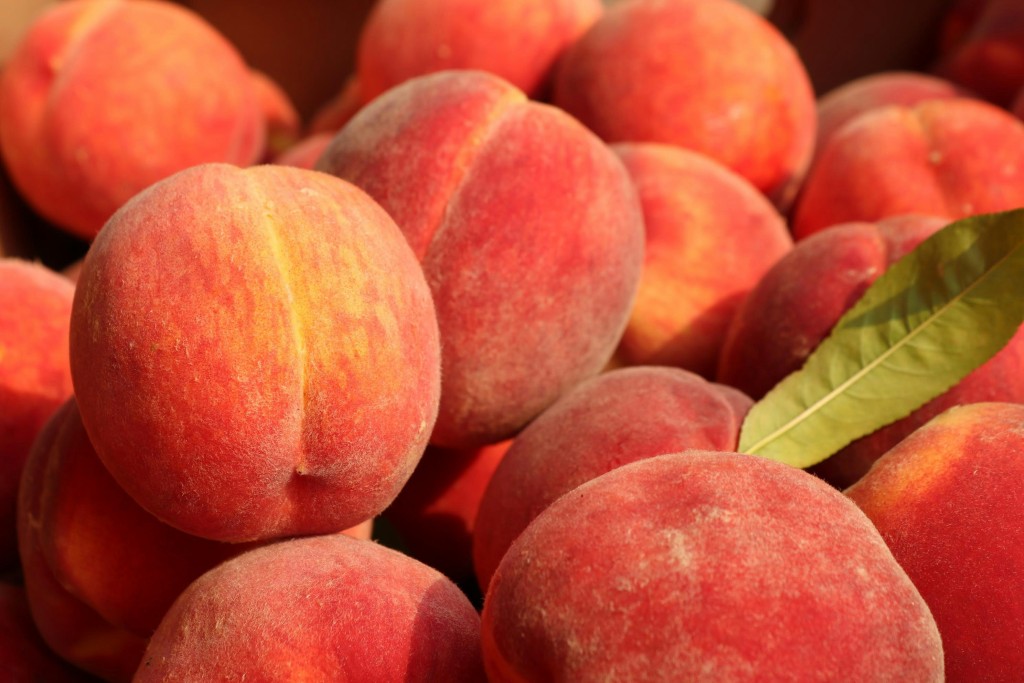
Bitter almonds, peach pits, plum pits, and even apple seeds contain amygdalin, which releases cyanide after metabolism.
- Poisoning Symptoms: One person who mistakenly consumed large amounts of bitter almonds based on a folk cancer remedy was hospitalized with acute poisoning. Overdose can cause headache, difficulty breathing, and seizures.
- Recommendation: Parents should prevent children from biting and breaking fruit pits.
5. Fresh Daylily Flowers (Golden Needles)
Fresh daylily flowers contain colchicine, which converts to a more toxic substance in the human body.
- Poisoning Symptoms: A kidney disease patient who ate a large amount of fresh daylily flowers experienced abdominal pain, blood in the urine, and worsening kidney function.
- Recommendation: Choose dried daylily flowers. If using fresh ones, they must be soaked, have the stamens removed, and be thoroughly cooked.
Additional Caution: Unusually Bitter Gourds (Cucumbers, Luffa, Zucchini)
Hong notes that if cucumbers, luffa, or zucchini have an intensely bitter taste, they may contain cucurbitacins and should not be eaten.
- Poisoning Symptoms: One person who drank bitter gourd juice experienced acute gastroenteritis with vomiting, diarrhea, dehydration, and low blood pressure.
- Recommendation: If you bite into a bitter-tasting peanut or nut, spit it out immediately and rinse your mouth to avoid ingesting aflatoxins.
Hong emphasizes that natural does not equal safe. The toxins in plants are part of their self-protection mechanism. Truly healthy eating is not about blindly pursuing "the more natural, the better," but about learning proper handling, storage, and moderate consumption. Do not easily believe extreme online remedies promoting raw eating or natural cancer cures.
Source: Nephrologist Dr. Hong Wing-xiang