Often, seemingly insignificant body parts like the whites of the eyes, the tongue, and even the nails serve as the first line of defense reflecting internal organ health. When there are abnormalities in the body's internal systems, Qi-blood circulation, or microcirculation, these peripheral parts quietly undergo subtle changes. Therefore, learning to observe these "small parts" of your body can help you early detect distress signals from within.
Intensive care physician Dr. Huang Xuan posted on his Facebook page that during clinical consultations, besides auscultation, blood pressure measurement, and reviewing lab reports, doctors can often detect health signals just by observing a patient's nails as soon as they sit down. Nail growth requires stable blood circulation, oxygen supply, nutritional metabolism, and a functioning immune system. When problems arise in the liver, kidneys, heart, lungs, or blood system, these pathological changes sometimes quietly reflect in the nails' color, texture, and shape.
8 Nail Colors and Shapes to Distinguish Potential Diseases
Clinically, doctors can often discern issues from nails even before the patient speaks. Huang recalls a middle-aged man who initially complained only of recent fatigue and shortness of breath, attributing it to work stress. However, the doctor noticed the ends of his fingernails were abnormally bulging, shaped like an inverted small spoon – a classic sign of "clubbing." Further examination confirmed lung cancer. Here are common abnormal nail conditions and their potential underlying diseases:
1. Pink or Light Flesh-Colored Nails
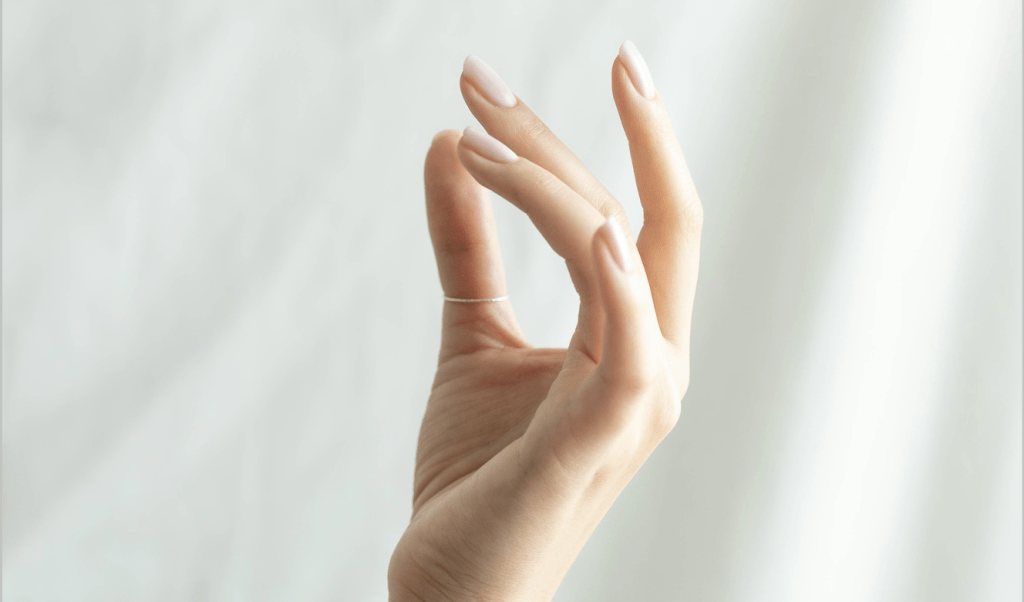
- Appearance: Healthy nails typically appear an even pink or natural light flesh color, with a smooth, flat surface, natural luster, and no pits, ridges, or unusual spots. A clearly demarcated white "lunula" (half-moon) is usually visible at the base. The texture is tough yet elastic, not easily brittle or layered.
- Analysis: These colors reflect adequate Qi-blood, good nutrient metabolism, and normal peripheral microcirculation. If you have such nails, simply maintain a balanced diet and good personal hygiene; no need to worry.
2. White Nails (Terry's Nails)
- Appearance: Most of the nail turns white, leaving only a small pink strip at the tip.
- Potential Causes: Clinical studies have found that up to 82% of patients with liver cirrhosis show this sign. Other causes include congestive heart failure, diabetes, malnutrition, or kidney disease.
3. Yellow Nails
- Appearance: Nails turn yellow, thick, and brittle.
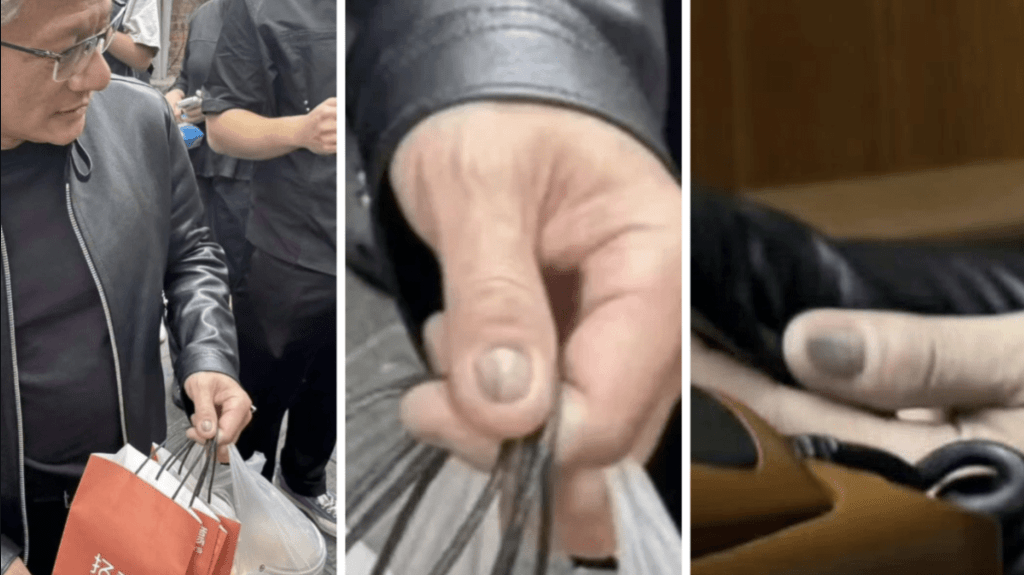
- Potential Causes: The most common cause is fungal infection (onychomycosis). It can also be associated with chronic bronchitis, lung disease, or lymphedema. Long-term smoking or frequent application of dark nail polish can also cause yellowing.
4. Blue Nails (Cyanosis)
- Appearance: Nails or lips appear blue-purple, medically known as "cyanosis."
- Potential Causes: This is a strong indicator of low blood oxygen levels. It can be caused by congenital heart disease, severe lung disease, or hypoxemia from severe COVID-19. Unless due to extreme cold, blue-purple nails constitute a medical emergency requiring immediate attention.
5. Half-and-Half Nails (Lindsay's Nails)
- Appearance: The proximal (base) half of the nail is white, and the distal (tip) half is brownish-red, with a distinct line of demarcation.
- Potential Causes: This is an important clue for chronic kidney disease, commonly seen in patients on dialysis or post-kidney transplant. About 40% of chronic kidney disease patients develop these half-and-half nails.
6. Longitudinal Black Streak on Nail (Melanonychia)
- Appearance: A black or dark brown straight line extending from the base to the tip of the nail.
- Potential Causes: While this could be a benign mole, it can also be a sign of melanoma, the most dangerous type of skin cancer. If the black line extends to the surrounding skin (Hutchinson's sign), immediate dermatological evaluation is needed.
7. Spoon-Shaped Nails (Koilonychia)
- Appearance: The nail center becomes concave and scooped out, edges curve upward, resembling a small spoon, sometimes able to hold a drop of water.
- Potential Causes: Most commonly seen in patients with iron deficiency anemia, or those with long-term exposure to organic solvents like gasoline. Usually, nail shape gradually improves after adequate iron supplementation.
8. Clubbed Nails (Clubbing)
- Appearance: Fingertips become bulbous and rounded, and the nails curve downward, wrapping around the fingertip, resembling drumsticks.
- Potential Causes: Often due to long-term localized tissue hypoxia, typically forming over several years. Commonly seen in chronic lung diseases (e.g., pulmonary fibrosis, lung cancer), congenital heart disease, or inflammatory bowel disease.
Seek Medical Attention If Nail Abnormalities Persist
Nail changes are not as dramatic as chest pain nor as obvious as a fever. However, as the medical saying goes, "The body speaks, but many people don't listen." Nails are often early indicators of various chronic diseases or cancers. Huang emphasizes that the public should not panic excessively after reading this information. The most important thing is to develop a habit of observing your nails regularly. Health management involves paying attention to subtle changes. If you notice a nail abnormality that persists, becomes more pronounced, or is accompanied by symptoms like fatigue, shortness of breath, unexplained weight loss, or pain, do not self-diagnose based on internet searches alone. Seek prompt professional medical evaluation. Early detection of the root cause can often change the course of the disease.