As we age, muscle loss and declining physical strength often feel inevitable. But experts now say that one specific type of anti-aging exercise can effectively prevent sarcopenia (age-related muscle loss). The best part? You don't need a gym membership. You can achieve significant muscle-building results at home using just a water bottle.
According to a report by Chinese media outlet Life Times, while age-related muscle loss and weakness may seem like an irreversible natural law, strength training is a crucial way to protect health at any stage of life. Professor Bo Gou from the College of Sports and Health Sciences at Xi'an Physical Education University explains that with regular, scientific training, older adults can absolutely maintain—and even improve—their muscle strength.
Dr. Chen Xue-li, Chief Physician of the Rehabilitation Medicine Department at Beijing Shijitan Hospital, Capital Medical University, emphasizes that age is never a barrier to exercise. For seniors with bone loss or even diagnosed sarcopenia, strength training is not just an option—it is a necessity. Even at 80 or 90 years old, as long as physical conditions permit, moderate strength training under professional guidance can still unlock the body's potential for better health.
For older adults, strength training is currently the only effective method to reverse muscle loss and delay aging. Chen adds that regular strength training also helps reduce fat accumulation, preventing chronic diseases linked to obesity. It simultaneously stimulates bone growth, strengthens tendons and ligaments, helps prevent arthritis, and significantly lowers the risk of falls. Professor Gou adds that strength training should be targeted. Seniors can focus on the following three key areas based on their individual needs:
1. Strengthen the Upper Body
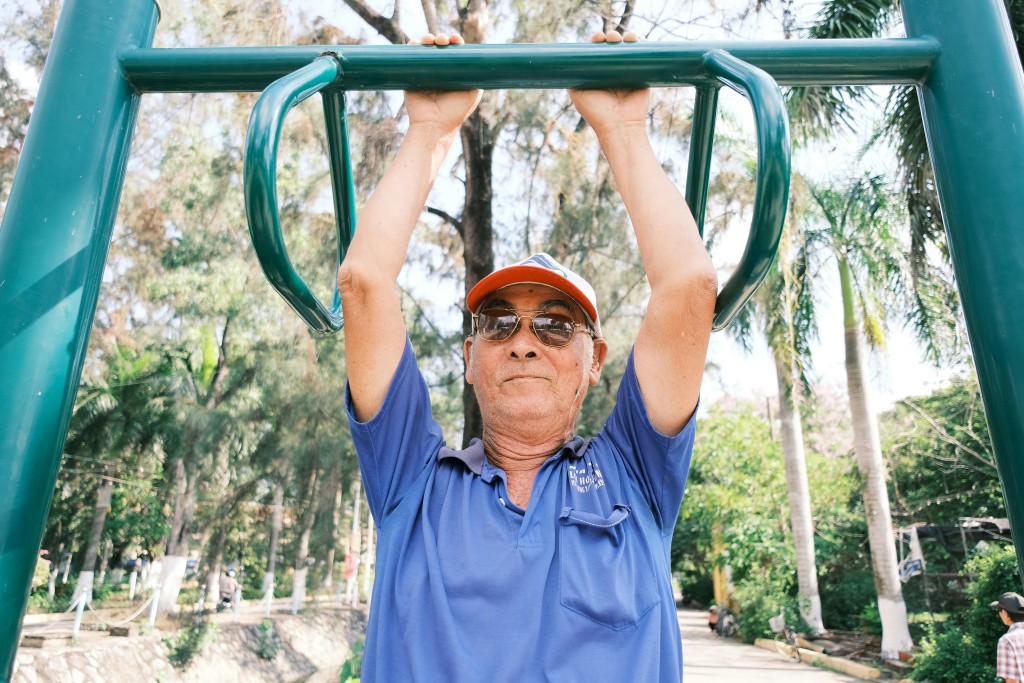
Strong upper body muscles (including arm strength and grip strength) form the foundation for daily living activities such as dressing, carrying objects, and washing up. People with strong upper bodies tend to have better cardiopulmonary function and lower rates of chronic disease. Conversely, weak upper body strength—such as poor grip strength—is closely linked to reduced heart function and high blood pressure. You can test your grip strength at home with a dynamometer; maximum grip strength should exceed 50% of your body weight. If it falls short, it's time to increase upper body training.
2. Train the Lower Body
Lower body muscles account for 50–60% of total muscle mass, so focusing on this area yields significant health benefits. Increased muscle mass improves the body's ability to take up and utilize glucose, helping to stabilize blood sugar and reduce insulin resistance. Additionally, the contraction and relaxation of lower body muscles act like a large "muscle pump," effectively promoting blood flow back to the heart. You can assess lower body muscle mass by measuring your calf circumference. Keep your calf perpendicular to the floor and use a soft tape measure at the widest point. A calf circumference below 34 cm (13.4 inches) for men or 33 cm (13 inches) for women suggests insufficient muscle mass.
3. Train the Chest and Back
Imbalances between chest and back muscles—where some muscles are overly tight and others too relaxed—can lead to poor posture and put strain on the spine. For example, when chest muscles are tight and upper back muscles are weak, you may develop a hunched, rounded-shoulder posture. Weak core muscles can lead to abnormal pelvic and lumbar curves, potentially causing lower back pain or herniated discs. Targeted exercises to restore muscle balance not only improve posture but also stabilize the spine, enhancing overall balance so seniors feel steadier and more agile.
3 Safe Ways to Do Strength Training – Can a Water Bottle Really Build Muscle?
For younger people, strength training seems straightforward. But many seniors have concerns: "I have high blood pressure, cholesterol, and blood sugar – can I still train?" "My legs aren't good – how do I exercise?" Professor Gou advises that while younger people train to get stronger, seniors train to get healthier. The core principle is "safety first." You must consider prior exercise history, chronic diseases, nutritional status, and other factors, following a personalized, gradual approach.
1. Home Training: Just a Water Bottle and a Wall
Seniors who find it difficult to go out or visit a gym can choose lightweight home training without professional equipment. For example:
- Wall sits effectively train the lower body.
- Planks engage the core muscles.
- Resistance band stretches strengthen the back and shoulders.
- Even simply gripping and lifting a filled water bottle repeatedly can effectively improve upper body strength.
These exercises are low-difficulty and can be easily adjusted for intensity.
2. Gym Training: Quality Over Quantity
Seniors should use gym equipment under professional guidance, following the principle of low weight, high repetitions, and slow tempo. Focus on proper form rather than heavy lifting to avoid injury. Prioritize low-impact, easily controlled fixed machines such as seated row machines, leg extension machines, and seated chest press machines. Avoid free weights like barbells and dumbbells when possible. Choose a weight that allows you to complete 15–20 repetitions per set comfortably, with the last 2–3 reps feeling challenging.
3. Special Populations: See a Doctor First, Then Exercise
Seniors with chronic conditions such as high blood pressure or heart disease must consult a doctor before starting any exercise program. This helps rule out contraindications and clarify a safe range of activity. For example:
- Patients with hypertension should avoid holding their breath while exerting force and should monitor how they feel. Stop immediately if you experience dizziness, heart palpitations, or if your diastolic pressure exceeds 105 mmHg.
- Those with joint problems should avoid movements that increase joint strain, such as deep squats, jumping, or prolonged knee bending. Exercise under the guidance of a rehabilitation specialist, and use protective gear such as braces or kinesiology tape as needed.