Many people believe that coffee can help prevent cancer, but few realize that drinking it the wrong way might actually increase cancer risk. A medical expert is sounding the alarm, warning against five specific coffee pairings. He also identifies seven groups of people who should limit or avoid coffee altogether.
5 Major Health Benefits of Coffee: 3 Cups a Day May Help Prevent Cancer
Dr. Lau Pok-yan, a nutrition and functional medicine expert, recently broke down the right way to drink coffee on the health program After-Work Economics. He highlighted five science-backed benefits of regular coffee consumption:
- Cancer Prevention: Most studies show that drinking an average of 3 to 4 cups of black coffee per day can significantly reduce the incidence of liver and colorectal cancer by approximately 25-35%. It may also help lower the risk of certain types of breast cancer in postmenopausal women.
- Reduced Liver Fibrosis and Colon Polyps: By reducing these precursors, coffee further lowers overall cancer risk.
- Improves Fatty Liver Disease: Coffee promotes the release of fatty acids and provides energy, which can help the body burn fat more effectively.
- Improves Type 2 Diabetes: Coffee has been shown to increase insulin sensitivity.
- Fights Dementia: International research suggests that 2 to 3 cups of black coffee daily may help reduce the formation of beta-amyloid protein in the brain, keeping the mind sharper for longer. The key? Chlorogenic acid, a powerful antioxidant that effectively neutralizes free radicals in the body.
5 Harmful Coffee Pairings That May Do More Harm Than Good
Lau warns that combining coffee with the following five items can not only negate its health benefits but may also pose risks to your health, including potential carcinogenic effects.
1. 3-in-1 Coffee & Expired Coffee Beans
3-in-1 coffee mixes are often loaded with sugar, trans fats, and artificial flavorings. Long-term consumption can spike cholesterol levels. Expired beans or improperly stored grounds can develop ochratoxin A due to moisture, which is highly toxic to the kidneys. Lau recommends consuming ground coffee within 10 days to two weeks of opening, or storing it in an airtight container. Light roasts retain higher levels of chlorogenic acid for better antioxidant effects.
2. Cigarettes
Smokers who drink coffee may face a 4 to 5 times higher risk of esophageal cancer. Caffeine speeds up the metabolism of nicotine, which can increase the urge to smoke more frequently. Additionally, hot coffee itself can irritate and damage the esophagus.
3. Alcohol
Coffee is a stimulant, while alcohol is a depressant. Mixing the two disrupts the liver’s enzymatic process for breaking down alcohol, leading to higher blood alcohol concentration and increasing the risk of fatty liver disease and other cancers.
4. Excessive Chocolate or Other Caffeinated Drinks
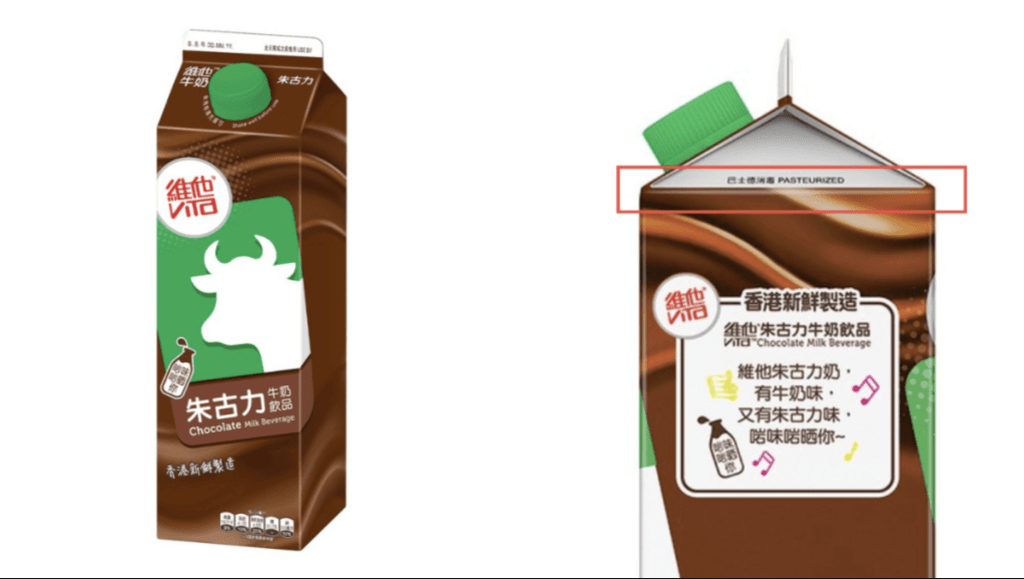
Chocolate naturally contains caffeine. Pairing it with strong coffee can lead to caffeine overload, causing heart palpitations, anxiety, and other side effects. Be mindful of total caffeine intake from all sources, including energy drinks and milk tea.
5. Supplements, B Vitamins, and Iron-Rich Foods
Caffeine can interfere with the absorption of certain minerals, including calcium, iron, magnesium, and zinc, reducing the effectiveness of supplements. Lau advises waiting at least one hour between drinking coffee and taking supplements. Caffeine also speeds up the metabolism of B vitamins, diminishing their benefits. For those with iron-deficiency anemia, avoid drinking coffee immediately after eating iron-rich foods like red meat, as coffee inhibits iron absorption.
7 Groups of People Who Should Avoid or Limit Coffee
Lau emphasizes that coffee isn’t for everyone. The following seven groups should exercise caution or avoid coffee altogether:
- Caffeine-Sensitive Individuals: Those with slower caffeine metabolism may experience headaches, fatigue, diarrhea, weakness, or dizziness after drinking coffee.
- People with Hyperthyroidism: Caffeine can worsen symptoms like heart palpitations and hand tremors associated with an overactive thyroid.
- People with Osteoporosis: Caffeine interferes with calcium absorption. Those with low bone density should limit intake to one cup per day and pair coffee consumption with regular exercise.
- People with Gastrointestinal Disorders: Individuals with stomach ulcers or GERD (acid reflux) should avoid coffee, especially sweetened varieties, which can trigger acid backflow.
- People with Glaucoma: Caffeine-sensitive glaucoma patients may experience a temporary increase in eye pressure, potentially harming vision.
- People with Autonomic Nervous System Imbalance: Caffeine can overstimulate the sympathetic nervous system, worsening insomnia, heart palpitations, and tremors.
- Children and Adolescents: Those below high school age should minimize coffee intake, as caffeine may inhibit growth, reduce calcium absorption, and contribute to insomnia, hyperactivity, and difficulty concentrating.
When Is the Best Time to Drink Coffee?
Lau recommends waiting until about one hour after waking up. Right after waking, the body naturally produces cortisol. Drinking coffee immediately may, over time, suppress natural cortisol production, leaving you dependent on coffee just to feel alert. Waiting for your cortisol rhythm to stabilize allows you to enjoy coffee’s benefits without interfering with your body’s natural energy regulation. For afternoon coffee, consider your personal caffeine metabolism rate to avoid sleep disruption.
By understanding coffee’s properties, avoiding harmful pairings, and adjusting your intake based on your health status, you can safely enjoy its many benefits.