Read More
Knee joint pain is a common problem for urban dwellers, especially in Hong Kong where people often sit in offices or climb stairs. According to recent medical literature, the most common issues include knee osteoarthritis, patellofemoral pain syndrome, meniscal tears, ligament sprains or tears, tendonitis, and cartilage damage.
ADVERTISEMENT
SCROLL TO CONTINUE WITH CONTENT
A 2023 review indicated that knee osteoarthritis is the most common cause of knee pain in people over 45, affecting over 650 million people globally. Symptoms include pain during activity and morning stiffness lasting less than 30 minutes. Patellofemoral pain is more common in active individuals under 40, with anterior knee pain during squatting having a sensitivity of 91%. Meniscal tears often result from twisting or sports injuries and are accompanied by swelling and a "locked knee" sensation.
- Mistake 1: Gout or rheumatoid arthritis can also cause knee pain. Many people ignore early pain and continue strenuous activity, leading to worsening damage, such as overuse causing tendonitis or accelerating the degeneration of knee osteoarthritis.
- Mistake 2: Over-relying on painkillers or injections without undergoing treatment, stretching, or exercise, thereby neglecting to strengthen surrounding muscles (such as the quadriceps or iliotibial band) to reduce joint pressure. For example, patellofemoral pain is often due to muscle imbalance and cannot be cured by medication alone.
- Mistake 3: Some patients exercise incorrectly, such as running with poor posture, which can aggravate iliotibial band syndrome.
- Mistake 4: Some patients immediately request surgery after a meniscal tear. However, medical literature suggests trying conservative treatment or muscle strengthening first to avoid unnecessary procedures.
As a chiropractor, I advise that if you have persistent knee pain, seek medical attention promptly for early evaluation to prevent a minor issue from becoming a major problem.
3 Common Myths About Glucosamine
Chiropractors frequently encounter patients asking about supplements for joint pain in clinics. Glucosamine is the most commonly mentioned, but many people have misconceptions about it. Based on recent medical literature, here is scientifically backed information to help you correctly understand glucosamine's benefits. However, supplements are not a miracle cure; they should be used under professional guidance and combined with exercise and lifestyle adjustments. Stop relying on hearsay and trust the scientific evidence.
Glucosamine Myth 1: It Does Not Cause Diabetes
Many people think glucosamine contains sugar and worry that long-term use increases the risk of diabetes. This is a common misconception because glucosamine is an amino sugar that sounds like glucose.
Although early animal studies or case reports raised concerns about elevated blood sugar, large human studies have disproven this. Glucosamine is considered safe even for people with existing diabetes. However, I recommend that patients with a family history of diabetes consult a healthcare professional first, as individual conditions and potential drug interactions need consideration, but excessive worry is unnecessary.
Glucosamine Myth 2: It Takes Time to Show Effects
According to multiple randomized controlled trials, it takes at least three months of supplementation to see initial effects, and six months or longer (such as three to five years) to significantly slow joint degeneration. A 2002 study showed that taking 1500 mg of glucosamine sulfate daily for three consecutive years reduced knee joint space narrowing by 0.19 mm, confirming its ability to slow the progression of osteoarthritis. In my clinical experience, many patients give up after only one or two weeks, often missing out on the benefits.
Capsule form is ideal as it protects absorption, preventing destruction by stomach acid. After oral ingestion, it needs to pass through gastric juices to reach the small intestine for absorption. Without protection, stomach acid may degrade some of the active ingredients. Many people mistakenly think capsules are harmful and open them, but capsule form provides a protective layer, allowing the active ingredients to reach the small intestine intact, improving bioavailability.
Glucosamine Myth 3: Recommended Daily Dosage
Divided doses are most effective. Based on literature, the recommended daily intake is 1500 mg of glucosamine, divided into three doses (500 mg each), to maintain stable blood concentrations. For chondroitin, 1200 mg daily, also divided into three doses (400 mg each). Don't believe rumors that taking one pill a day is sufficient; convenience often comes at the expense of effectiveness. If you have questions, feel free to consult a chiropractor. We can develop a plan based on individual circumstances to maintain long-term health.
4 Yoga Poses to Strengthen the Knees
Supplements are not a cure-all; combining them with exercise and lifestyle adjustments is key to addressing the root cause. Yoga therapist Zora Lai demonstrates a series of poses to strengthen the knee joints. These mainly involve training the muscles around the knees to enhance strength, stability, and flexibility.
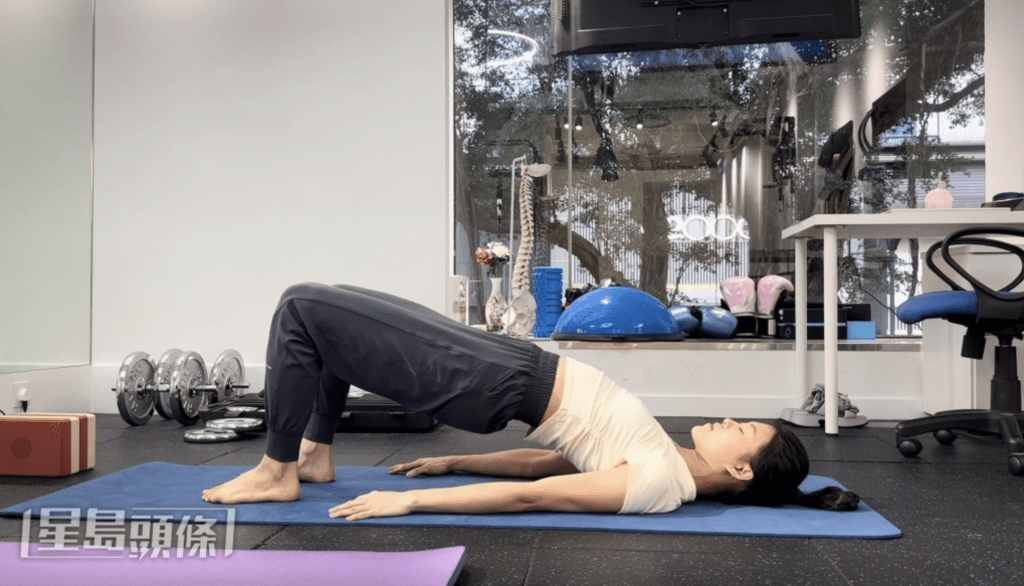
1. Bridge Pose
- Steps: Lie flat on your back with your upper body on the floor. Bend your knees, placing feet flat on the floor with heels aligned under knees. Place your arms alongside your body, palms down. Inhale, engage your glutes and core slightly, and lift your hips upward, pressing your heels firmly into the floor. Keep your shoulders, hips, and knees in a straight line. Hold for five deep breaths. Exhale, slowly lower back down. Repeat 3-5 times daily.
2. Seated Leg Raise
- Steps: Sit upright in a chair with your spine straight. Keep your thighs and lower legs at a 90-degree angle, with knees aligned over heels. Straighten your left leg, flexing your foot. Inhale, raise your left leg, aiming to bring your left knee level with your right. You should feel your quadriceps engaging. If your upper body tilts back when lifting, you may be raising too high; lower slightly. Hold for 3-5 deep abdominal breaths, then lower. Switch to the right leg.
3. Seated Side Leg Raise
- Steps: Follow from the previous pose. While holding your left leg raised, move it outward to the side to engage the glutes and outer thigh muscles. Inhale, move your left foot outward; exhale, return to center. Repeat 3-5 times. Perform 3 sets, with rest between. Switch to the other leg.
4. Seated Forward Fold
- Steps: After strengthening exercises, perform this stretch to relax. Sit on a chair. Stretch your left leg straight forward, keeping both knees and toes pointing upward. Flex your foot. Inhale, lengthen your spine. Exhale, fold forward, bringing your belly toward your thigh. Hold for 5-10 deep breaths, feeling the stretch in your calf and entire leg. Inhale, return upright. Beginners can use a towel or yoga strap; advanced practitioners can hold the foot.
Before starting any new exercise program, especially if you have knee problems or pain, consult a professional healthcare or sports rehabilitation expert. These poses help strengthen the muscles around the legs and knees, improving flexibility. Before practicing, it is best to consult a yoga instructor to ensure proper posture and avoid injury.