The hot, humid summer is here with temperatures rising daily. Occasional heavy rain brings relief but also lingering dampness that can make you feel unwell. What's more, the invisible army of dust mites could be disturbing your family's sleep. How can you create a mite-free bedroom? What are the best strategies for removing mites at home?
Dust Mites Don't Bite, But Their Feces Cause Allergies
Japanese housekeeping expert Chiaki Fujiwara explains that the culprit behind poor sleep might be humidity and dust mites. Through small daily habits, you can get rid of mites and create a dry, comfortable bedroom. So, what exactly are dust mites?
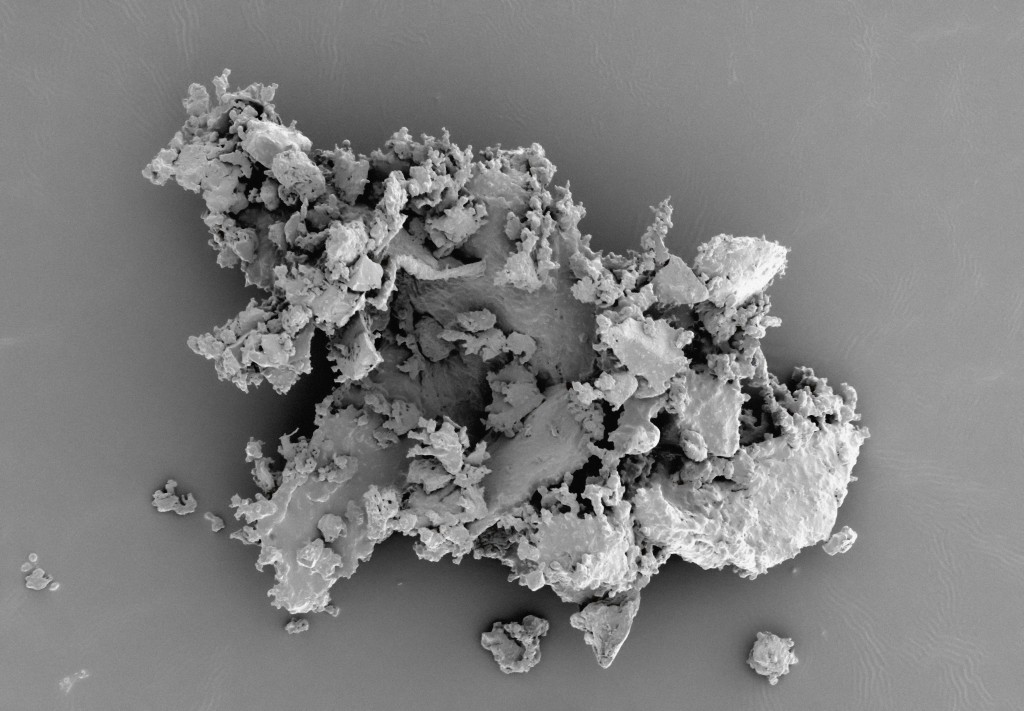
- What are they? Dust mites are not insects but arthropods, closely related to spiders. There are over 45,000 known species of mites worldwide. The main troublemakers in home environments are "house dust mites" and "storage mites" (often found in sugary foods).
- Appearance: They are only about 0.2 to 0.5 mm long, translucent to white.
- The Real Culprit: Contrary to popular belief, dust mites do not bite. The actual causes of allergies are the fragments of their dead bodies and their dried feces. These fine particles can trigger asthma, hay fever (allergic rhinitis), and other allergic reactions.
- Predatory Mites: When dust mites multiply, their predators ("predatory mites") also increase. These predatory mites can bite humans, causing itching.
High Heat and Humidity: A Paradise for Mites – Bedding is a Hotspot
House dust mites are most active in temperatures of 20-30°C with relative humidity above 60%. The rainy season through summer marks their peak breeding period. Particularly, warm, slightly damp places are hotspots, such as:
- Bedding: Futons, mattresses, pillows
- Furnishings: Carpets, fabric sofas
- Bedding that accumulates sweat, sebum, and dander: These areas struggle to release moisture, becoming breeding grounds for dust mites.
Priority Mite Control: Managing Bedding Moisture
When thinking of "pest control," many think of insecticides. For dust mites, however, the most important approach is daily bedding management, not relying on chemicals.
1. Don't Make the Bed Immediately After Waking Up
After waking up, do not fold or smooth out the bed immediately. Instead, fold back the duvet or blanket and leave the bed exposed to air for a while to allow moisture to dissipate naturally. When the weather is sunny, open windows to promote air circulation.
2. Use Dehumidifying Mats and Vacuum Cleaners
Place a dehumidifying mat under the mattress or duvet to prevent moisture accumulation. A mat under the mattress helps absorb unseen moisture. Additionally, use a vacuum cleaner with a "futon nozzle" to suck up mite carcasses and feces. A futon dryer (with a high-temperature mite-killing function) is even better.
3. Wash Bedding Weekly
All washable bedding – including mattress protectors, sheets, pillowcases – should be washed at least once a week. During the rainy season, waiting only for "good weather" to wash might not keep up with the mite reproduction rate. To ensure bedding stays dry, utilize tumble dryers, bathroom dryers, or when line-drying indoors, use dehumidifiers or air conditioners.
4. Choose Mite Traps with Attractants
Place mite traps under the mattress. Choose products containing attractants and replace them regularly to capture live mites.
Choosing Cool Bedding: Pay Attention to Washing Methods
Summer's popular "cooling mattress pads" and cool bedding not only feel cool to the touch but also visually bring a sense of coolness. However, using such products still requires keeping them clean. Cooling materials that contact the skin easily get stained by sweat and sebum. If not washed thoroughly, they can become breeding grounds for mites.
- Selection and Care Tips:
- Prioritize materials that are machine-washable.
- When washing functional fibers, never use fabric softener, as it can affect the cooling effect.
- Consider breathable, quick-drying materials like linen, hemp, or mesh fabric.
Maintain Bedroom Humidity at 50-60%
From the rainy season through summer, the bedroom can harbor not only dust mites but also mold, insects, and odors. Addressing these issues can improve sleep quality.
- Humidity Standard: Throughout the year (including the rainy season), it is recommended to maintain relative humidity between 50-60%.
- When outdoor air is dry: Open windows for ventilation.
- When conditions aren't suitable: Use a dehumidifier or air conditioner to keep humidity below 60%, avoiding prolonged levels of 70-80%.
- Other Fabric Items: Carpets, stuffed toys, curtains, and clothes in the same bedroom could also harbor dust mites. Clean or vacuum them regularly.
Through these simple daily management steps – airing duvets, washing sheets frequently, controlling humidity, and choosing the right bedding – you can effectively reduce dust mite infestation, banish dampness and allergens and say goodbye to the rainy season's discomfort.
Source: Chiaki Fujiwara