Eggs are a staple in every household, but washing them right after buying could actually make them spoil faster? A nutritionist debunks myths about washing, storing, and selecting eggs, including where in the fridge they should be kept.
Nutritionist Yeung Si-ham posted on her Facebook page that eggs are known as an ideal nutritional powerhouse. They have a high protein utilization rate, are affordable, and can be cooked in many ways, making them a staple in almost every household's refrigerator. However, there are many common misconceptions about handling eggs. Many people's first reaction after buying eggs is to wash them with water, thinking this makes them cleaner, but this is actually an extremely common mistake. She debunks major myths about washing and storing eggs:
Egg Washing Myths
- Supermarket Carton Eggs: Eggs bought in cartons from supermarkets have already undergone professional cleaning and sterilization before leaving the factory. The eggshell surface naturally has a protective film (cuticle) that effectively prevents bacterial invasion and moisture loss. Washing them again at home destroys this protective film, significantly increasing the risk of spoilage.
- Wet Market Loose Eggs: Eggs bought loose from wet markets may have some chicken droppings or dirt on the surface. After bringing them home, simply wipe the surface gently with a dry cloth or paper towel before putting them in the fridge. Remember to wash them thoroughly with water only right before cooking.
Egg Storage Myths
- Store with Pointy End Down: Inside an egg is a structure called the "air cell," usually located at the rounder, blunter end. When storing eggs, remember to place them with the "round end up, pointy end down." This helps keep the yolk centered and effectively extends the shelf life.
- Store on an Interior Fridge Shelf: Many people habitually place individual eggs in the egg holder on the refrigerator door. However, the fridge door is opened and closed frequently, causing large temperature fluctuations that can easily cause eggs to spoil. The correct practice is to keep the eggs in their carton and place the carton on an interior shelf of the refrigerator.
How to Choose Between Brown Eggs and White Eggs?
Yeung says that standing in front of a supermarket shelf, white eggs, brown (red) eggs, and various specialty eggs can be overwhelming, with prices varying widely. Therefore, she also offers tips for selecting eggs:
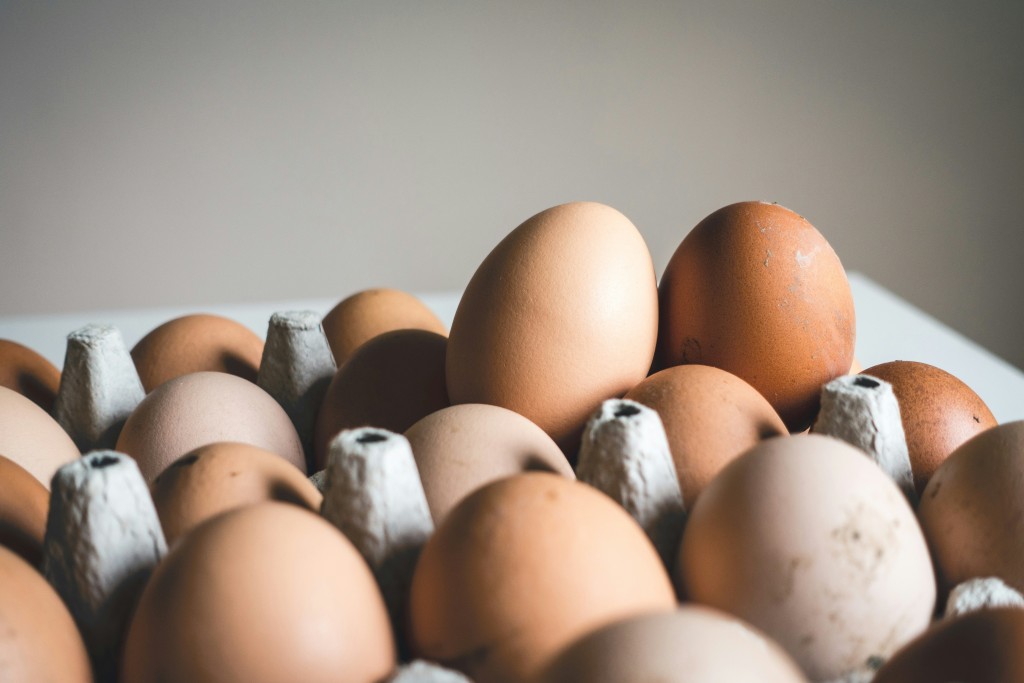
- Shell Color (White vs. Brown): Many people mistakenly believe brown eggs are more nutritious. In fact, eggshell color simply depends on the breed of the hen.
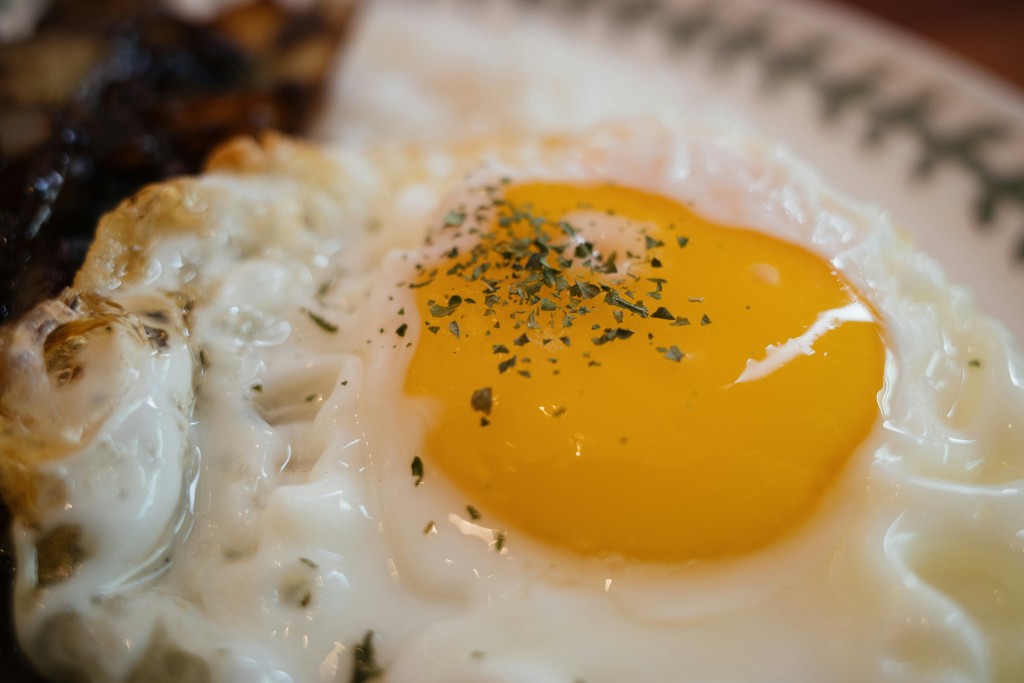
- Yolk Color (Pale Yellow vs. Orange-Red): The color of the egg yolk is primarily influenced by pigments in the hen's feed, such as lutein and zeaxanthin. While orange-red yolks are visually more appealing, the overall protein content and core nutritional differences are minimal.
She reminds that when choosing eggs, freshness is more important than color. Unless you have specific micronutrient needs, regular fresh eggs already provide sufficient and rich nutrition.