Do you store food in the refrigerator thinking it's foolproof? If your fruits and vegetables are still getting moldy, your fridge might have too much humidity! Experts point out that a simple, affordable kitchen item can instantly become a natural dehumidifier and deodorizer. Paired with two other common ingredients, it can significantly extend food freshness.
This Kitchen Item Instantly Becomes a Natural Dehumidifier and Deodorizer
Many people habitually store fresh produce or leftovers in the refrigerator. However, some foods still spoil rapidly even when refrigerated. According to information from the Jiji Township Health Center in Nantou County, Taiwan, under normal conditions, the average temperature in a refrigerator's main compartment should be controlled around 5°C (or below 7°C), while the freezer should be kept below -18°C for effective preservation. Furthermore, while the crisper drawer requires some humidity to keep vegetables fresh, if humidity levels in the entire refrigerated compartment are too high, it can conversely accelerate bacterial growth and food spoilage. There are many reasons for excess moisture in a fridge, such as storing water-rich foods, hot weather, frequent door opening, or even a worn-out door seal that doesn't close tightly, all of which can cause humidity levels to spike.
The Affordable Sponge: A Fridge Dehumidifier and Freshener
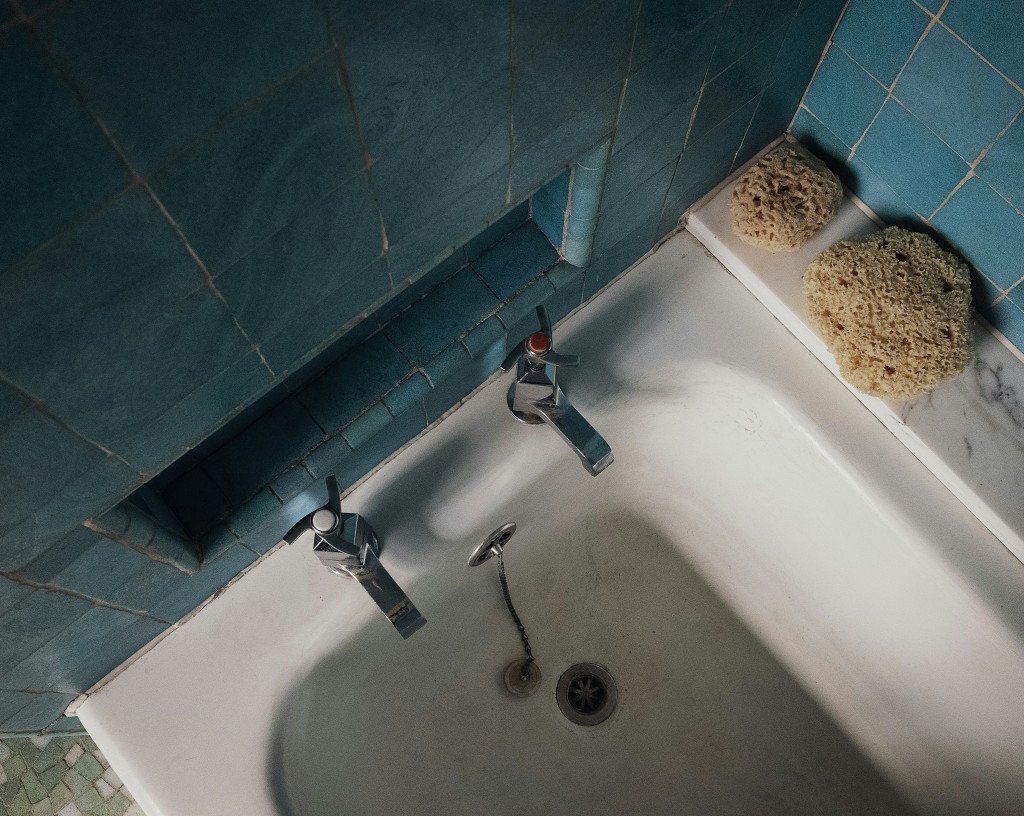
Since humidity is a major cause of food spoilage, what's a low-cost solution? The Daily Mealsuggests that a common, affordable dish sponge can act as a dehumidifier and freshness preserver for your refrigerator. Experts explain that while leafy greens, root vegetables, apples, and pears are suitable for cold storage in the crisper drawer, excess moisture accelerates their decay. Placing a dry sponge in the fridge effectively absorbs excess moisture from the air, keeping the interior drier and reducing waste.
How to Use a Sponge in the Fridge:
- Basic Use: Use scissors to cut a clean, dry sponge in half. Place it directly with produce in the crisper drawer or on any shelf. This helps control fridge humidity, keeping produce fresh longer.
- Add Salt for Extra Absorption: Cut a small slit in the side of the sponge using scissors, and pour a little table salt inside. Salt has excellent moisture-absorbing properties. Combined with the sponge, it draws out fridge humidity even faster.
- Add Baking Soda for Odor Control: If your fridge often has lingering food odors, sprinkle some baking soda on the sponge. This simultaneously controls humidity and eliminates odors, significantly extending produce freshness while keeping the fridge smelling clean.
Important Reminder: Replace the Sponge Regularly
While sponges are very effective at absorbing moisture, experts warn that sponges left in the fridge can quickly harbor millions of bacteria and, over time, develop odors themselves. To avoid counterproductive results, it is strongly recommended to replace the sponge every few days. You don't necessarily have to throw it away; simply wash it thoroughly with warm water and dish soap, let it dry completely, and then reuse it.
6 Foods That Should Not Be Refrigerated: Storing Potatoes in the Fridge May Increase Cancer Risk
Besides using a dry sponge for dehumidification and deodorization, it's also important to know which foods don't belong in the fridge. Nutritionist Jhanvi Sanghvi pointed out on her Instagram that not all foods are suitable for refrigeration. The following 6 common ingredients, when refrigerated, can pose various health risks. Pay close attention:
- Onions: Excess moisture on onions creates a perfect breeding ground for fungal spores. Consuming spoiled onions that have been refrigerated can cause vomiting, stomach cramps, and diarrhea. Store onions in a cool, dry, dark place.
- Garlic: Refrigerating garlic stimulates premature sprouting. The cold, damp environment causes garlic to rapidly grow mold, lose flavor, and become bitter.
- Potatoes: In low temperatures, the starch in potatoes accelerates conversion into sugar, making the texture gritty. More dangerously, when these refrigerated potatoes are cooked at high temperatures (like frying or baking), they are more likely to produce acrylamide, a harmful substance that increases cancer risk.
- Bananas: Cold temperatures disrupt the natural ripening process. The peel quickly turns brownish-black, and the flesh becomes mushy.
- Ginger: Refrigerating ginger causes it to lose its fresh flavor and become spongy, making it much harder to use in cooking.
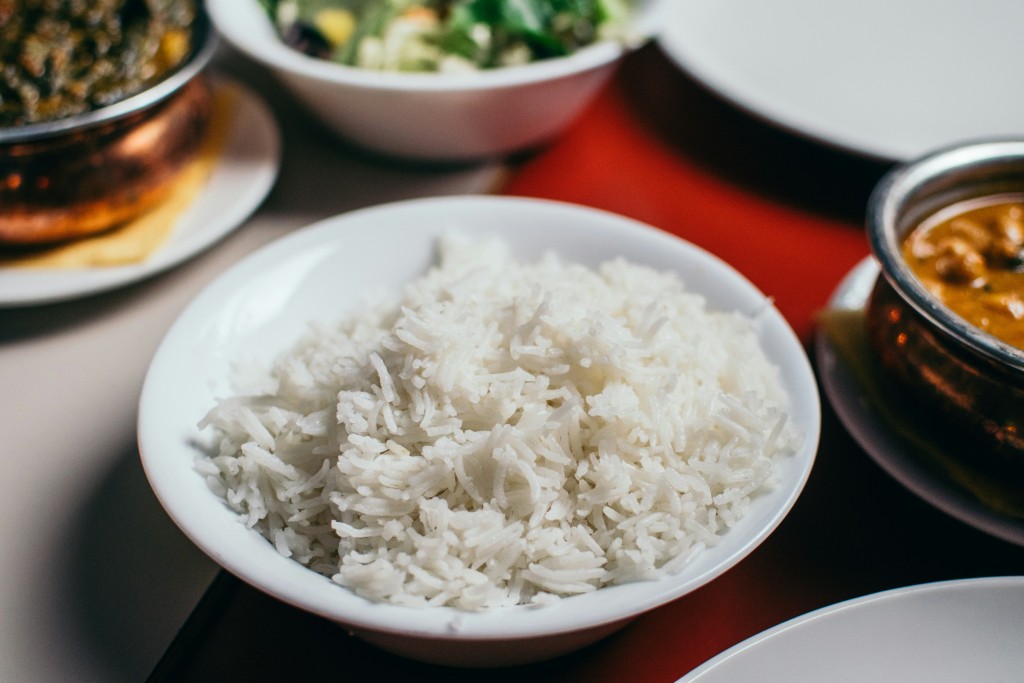
- Cooked Rice: If cooked rice is not properly cooled before refrigeration, it can easily become contaminated with bacteria like Bacillus cereus. These bacteria produce toxins that can cause severe food poisoning.