Many elderly individuals suffer from high blood pressure. If blood pressure remains persistently high, it can lead to irreversible damage to the kidneys and cardiovascular system. A doctor has proposed a "Nighttime Blood Pressure Reduction Golden Schedule," which includes 9 evening habits such as dinner choices and pre-sleep rituals. These simple practices can help lower blood pressure and keep it stable in the long term.
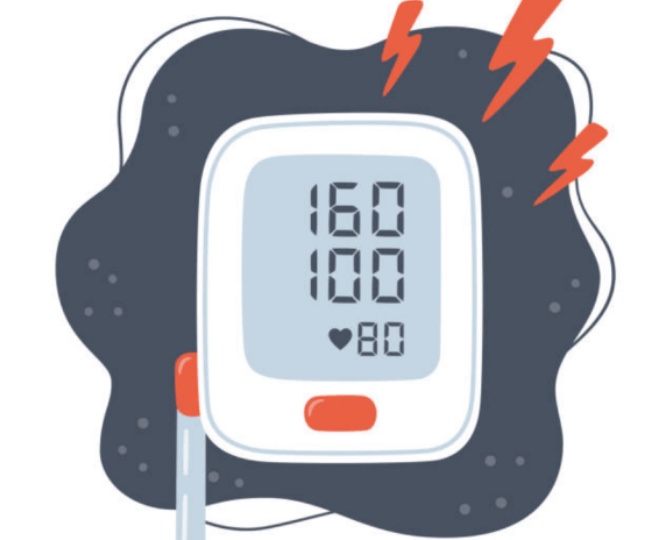
According to Japanese media Josei Jishin, Dr. Takahiko Watanabe, a renowned hypertension specialist, states that sudden onset diseases like myocardial infarction and stroke are not truly without warning signs. In fact, the body sends early signals such as numbness in the limbs or chest tightness. He emphasizes that by cultivating the habit of measuring blood pressure daily, one can detect subtle bodily changes early and prevent major illnesses without relying on medication.
Dr. Watanabe has personally worn an automatic blood pressure monitor and recorded his readings for nearly 40 years. From this vast pool of personal data, he has developed an effective method for blood pressure control. The key lies in following the "Nighttime Blood Pressure Reduction Golden Schedule" and incorporating the following 9 simple lifestyle habits.
Nighttime Blood Pressure Reduction Golden Schedule
18:00 – Dinner
Consume more potassium-rich foods during dinner, such as spinach, komatsuna (Japanese mustard spinach), mushrooms, seaweed, and legumes. Potassium effectively helps the body excrete excess sodium, thereby lowering blood pressure. If you usually drink alcohol, one glass of red wine is the best choice, as its polyphenols have been studied and shown to help lower blood pressure.
18:30 – After-Dinner Fruit
Apples and citrus fruits are top choices. They are not only rich in potassium but also contain dietary fiber that helps regulate the intestinal environment and promote smooth bowel movements the next day. Dr. Watanabe shared that his wife once had swollen hands and feet from eating too many rice crackers, but successfully reduced the swelling by eating apples.
19:00 – Calf Tapping Exercise
The calves are often called the "second heart" of the human body. However, patients with high blood pressure often have stiff calf muscles. It is recommended to do the "calf tapping exercise" three times a day—morning, noon, and evening—for 5 minutes each time. Simply sit in a chair and gently tap the inner and outer sides of your calves from the bottom up using both hands. This simple action effectively promotes blood circulation and helps lower blood pressure.
20:00 – Warm Bath
When the weather is cold, the temperature difference between the bathroom and the room can cause blood pressure to spike suddenly, potentially leading to temperature shock, which is very dangerous. It is recommended to preheat the bathroom using a heater before entering, then soak in warm water at about 40°C, allowing the body to warm up gradually.
20:30 – Pre-Sleep Special Drink
Studies have shown that consuming 1 tablespoon (about 15ml) of vinegar daily can lower blood pressure by about 4 mmHg. Dr. Watanabe shared that one patient's daytime blood pressure, which was as high as 143 mmHg, dropped to 124 mmHg after drinking 1 tablespoon of vinegar. Mix apple cider vinegar with soda water or plain water for easier consumption.
21:00 – Listen to Music to Relax
Adequate relaxation before sleep is key to ensuring high-quality sleep and effectively controlling nighttime blood pressure. Therefore, avoid strenuous exercise or anything that might cause emotional fluctuations. Allow your body to enter relaxation mode. Listening to soothing music helps dilate blood vessels, promote blood flow, and thus lower blood pressure.
21:30 – Autogenic Training
This is a form of self-hypnosis therapy. Simply lie down comfortably and silently repeat phrases to yourself, such as "My feet are warm," "My hands are warm," "My whole body is warm." Through this self-suggestion, you can actually raise your body temperature by 1-2 degrees, dilating blood vessels and lowering blood pressure. One patient who practiced this consistently for 3 months successfully stabilized their blood pressure.
21:45 – Record the Day's Diet and Activities
Spend a few minutes briefly reviewing the day's diet, exercise, and blood pressure readings. This helps you better understand your physical condition and become more sensitive to changes in your blood pressure.
22:00 – Measure Blood Pressure Before Sleep
Just like morning blood pressure measurements, nighttime readings should be taken at a consistent time and under consistent conditions. Quality sleep is prime time for the body to repair blood vessels and is absolutely essential.