Many people assume frozen cauliflower has little nutritional value, but a pharmacist points out that frozen vegetables can actually lock in more vitamins than fresh ones left on supermarket shelves for days. He also shares that adding one simple ingredient after cooking instantly quadruples its antioxidant power, and specifically highlights one group of people who should eat more of it.
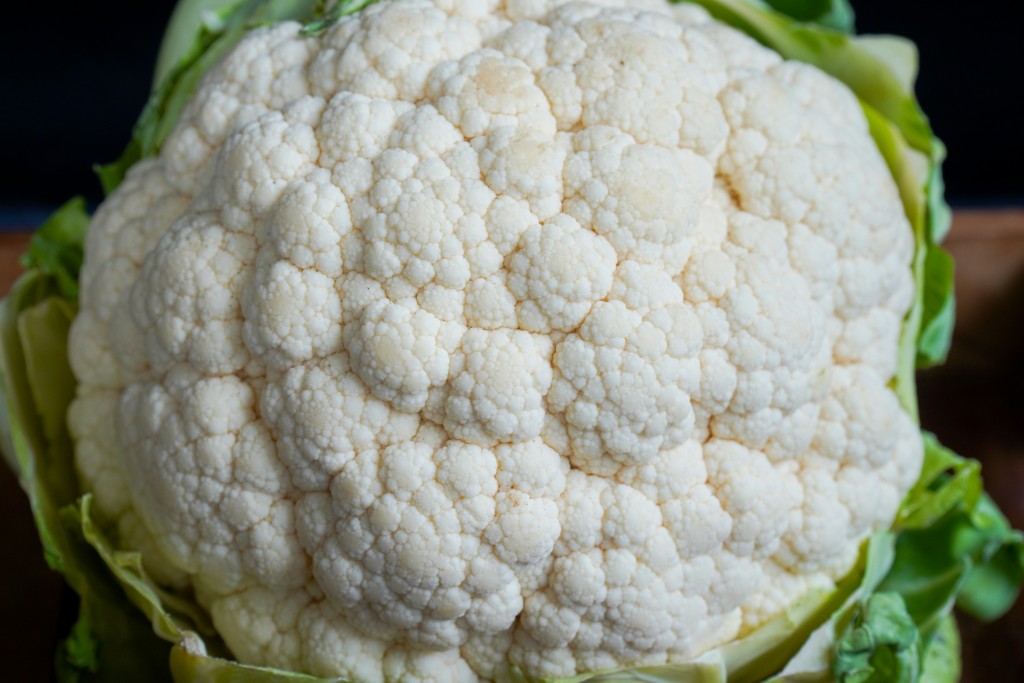
Pharmacist Chan Chak-kwan posted on his Facebook page that buying fresh cauliflower often leads to yellowing and toughening fibers within a few days. Moreover, preparing it is a chore – the florets are difficult to clean and often harbor insects, and the stem is hard and tough to cut, which can be frustrating for parents meal-prepping or fitness enthusiasts on a diet. He notes that frozen cauliflower perfectly solves these problems. From a nutritional perspective, the nutrients in frozen cauliflower may be more complete than in fresh cauliflower that has sat on a supermarket shelf for days.
He explains that after harvesting, vegetables begin to lose vitamins. A fresh cauliflower typically takes 3 to 7 days to travel from the farm to the supermarket shelf, during which time Vitamin C and folate levels steadily decrease. In contrast, frozen vegetables are flash-frozen within hours of harvest, instantly locking in their peak nutritional value. Multiple studies, including a 2007 paper in the Journal of the Science of Food and Agriculture, have shown that frozen vegetables often have comparable or even higher Vitamin C levels than fresh vegetables that have been stored for several days. "Fresh" on the supermarket shelf does not equal "just harvested."
Doubling Cauliflower's Nutritional Power
One of the most valuable nutrients in cauliflower is the potent antioxidant sulforaphane, a star compound in cruciferous vegetable research. However, producing sulforaphane requires specific conditions:
- When cauliflower is chopped or chewed, the glucosinolates inside its cells come into contact with the enzyme myrosinase, which then converts them into sulforaphane.
- However, myrosinase is very heat-sensitive. Studies show that when temperatures exceed 60-70°C, this enzyme is destroyed, making it difficult for cooked cauliflower to produce sulforaphane.
According to a 2018 study in Molecular Nutrition & Food Research, when eating cooked cauliflower, adding just 1 gram of brown mustard powder increased sulforaphane absorption by more than 4 times compared to eating cooked cauliflower alone.
Yellow mustard also contains myrosinase, which compensates for the heat-destroyed enzyme, allowing sulforaphane to be regenerated. Adding just a pinch each time not only doubles the nutritional benefit but also does not alter the original taste of the cauliflower.
Best Cooking Methods: Steaming, Microwaving, or Air-Frying
He cautions that while blanching is fast, water-soluble vitamins like Vitamin C and folate dissolve into the water. Pouring that water away pours away the nutritional essence. He recommends steaming, microwaving, or air-frying cauliflower instead, as these methods better retain water-soluble nutrients.
A Must-Eat for Women Planning Pregnancy
Furthermore, cauliflower is extremely high in folate (approximately 60-70 micrograms per 100 grams). He specifically points out that women planning for pregnancy or who are pregnant should eat more of it. Folate is crucial for fetal neural tube development. Folate deficiency in early pregnancy may increase the risk of neural tube defects, preterm birth, and low birth weight. He notably reminds that the baby's neural tube begins developing as early as the 6th week of pregnancy. Therefore, do not wait until pregnancy is confirmed to start supplementation – eat folate-rich foods like cauliflower during the preconception period to build a solid foundation.