During summer, bus and MTR carriages in Hong Kong are often filled with a mix of sweat and musty odors. Some people still have strong body odor even after applying perfume, sometimes creating even stranger mixed smells. In fact, body odor is not necessarily caused solely by sweating. Taiwanese nutritionist Lin Cen points out that body odor issues are often closely related to internal metabolism and gut health, and covering them up externally cannot solve the root problem.
Lin emphasizes that an overgrowth of bad bacteria in the gut is a primary cause of body odor. When protein ferments in the intestines, odorous molecules (such as indoles and sulfides) enter the bloodstream and are eventually expelled through the skin and breath.
3 Types of Body Odor and Their Causes
1. Body Odor/Bo (Bromhidrosis)
Studies have found that people with bromhidrosis have a different gut microbiota composition compared to the general population, particularly with a higher proportion of "short-chain fatty acid-producing bacteria" that create unpleasant odors. At certain concentrations, these metabolites produce a sour or rancid oil-like smell that affects the whole body through the bloodstream. Additionally, a higher BMI also increases the prevalence of bromhidrosis.
2. Menstrual Rancid Oil Smell
During menstruation, drastic hormonal fluctuations lead to increased excretion of fatty acids and ketones, producing a rancid oil-like odor. If premenstrual syndrome (PMS) symptoms are pronounced, this change in body odor is usually more noticeable, indicating higher metabolic stress or hormonal imbalance.
3. Foul-Smelling Breath
If your breath has an abnormal, foul odor, it may be related to declining liver function (such as liver damage or cirrhosis). When the liver cannot properly metabolize phenols or sulfides, these substances accumulate in the body and are excreted through the breath, creating the so-called "liver breath" – a putrid or fecal-like odor.
4 Dietary Changes to Improve Body Odor
Instead of relying on perfume to mask body odor, it is better to address the internal environment:
- Increase Fiber and Polyphenols: Eat more whole grains, dark green vegetables, and berries. These foods help suppress protein fermentation in the intestines, reducing the production of odorous metabolites.
- Reduce Animal Protein: Excessive consumption of red meat and high-protein diets can easily produce odor molecules in the intestines, making flatulence and stool smell stronger.
- Control Spice and Herb Intake: Spices and herbs containing sulfides, such as scallions, ginger, and garlic, can make breath and body odor more pungent when consumed in excess.
2 Key Nutrients to Supplement
Besides adjusting your daily diet, supplementing specific nutrients is also key to improving body odor.
- Magnesium: As an essential mineral, magnesium is involved in nerve transmission and stress regulation, helping stabilize mood and maintain normal metabolism. It also effectively promotes intestinal motility, leading to smoother bowel movements and preventing waste accumulation that causes odor.
- Probiotics: Supplementing with appropriate probiotics helps adjust the gut microbiota ratio, maintaining a stable microecological environment. This reduces the production of odorous molecules at their physiological source, keeping the body fresh from the inside out.
Is Sweat Itself Odorless? Doctor Teaches 5 Ways to Combat Sweat Odor
Intensive care physician Dr. Wong Hin once pointed out that freshly secreted sweat is actually almost odorless. The true cause of sweat odor is bacteria on the skin's surface. When bacteria break down proteins and fats in sweat, the resulting chemical byproducts create that pungent smell. Therefore, to solve body odor, you must address both "amount of sweat" and "number of bacteria."
5 Ways to Combat Underarm Sweat Odor
- Maintain Personal Hygiene – Wash 2 Areas with Antibacterial Soap: Regular cleansing of the skin significantly reduces surface bacteria, lowering the incidence of body odor by up to 98.3%. Bathe daily, and use antibacterial soap or specific cleansers to thoroughly clean areas prone to sweating like the armpits and groin, which can reduce bacteria by 95-99%.
- Choose Breathable Clothing – Let Skin Breathe: Non-breathable clothing allows sweat to stagnate on the skin, creating a warm, humid environment where bacteria thrive. Choose loose-fitting natural fabrics like cotton, linen, or bamboo fiber to help sweat evaporate and reduce bacterial growth opportunities.
- Adjust Diet – Say Goodbye to Odor: Food can affect body odor. Metabolites from pungent foods like garlic, onions, curry, and red meat may be excreted through sweat, worsening body odor. Eat less of these, increase fruit and vegetable intake, and stay hydrated to help the body detoxify.
- Stress Management – Reduce Odor: Stress can also make your body smell worse. When stressed or anxious, the body secretes more adrenaline, stimulating apocrine glands to produce sweat rich in proteins and fats, which bacteria love. Learn stress management techniques like meditation, yoga, or regular exercise for physical and mental health.
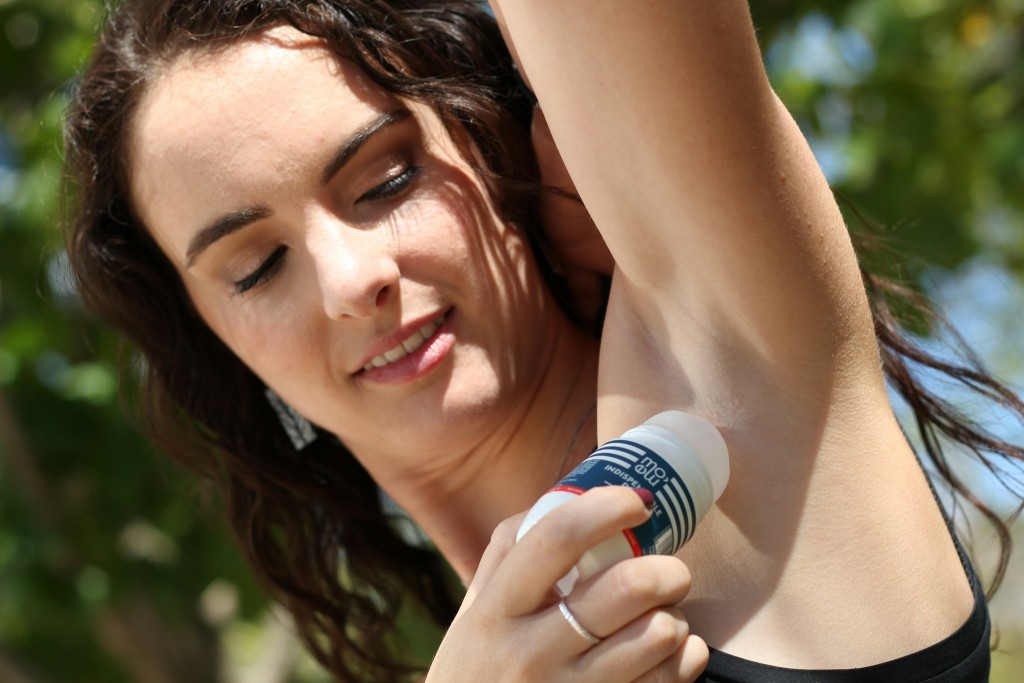
- Choose Antiperspirants or Deodorants: Antiperspirants contain aluminum salts that temporarily block sweat glands, reducing sweat production by 20-50%. Deodorants primarily inhibit bacterial growth or mask odor with fragrance; they do not reduce sweat but effectively control odor.
When to Use Antiperspirants/Deodorants for Maximum Effect
Many people apply antiperspirant before going out, but this may not be the most effective time. The Consumer Council reminds that the correct method is to apply at night before sleep. Sweat glands are less active at night. After drying the skin, apply a thin layer or spray once. This reduces the chance of being wiped off by clothing and allows the antiperspirant enough time to form a plug in the sweat glands.
Tips for Choosing Antiperspirants/Deodorants:
- Check ingredient labels for substances that may cause skin or respiratory allergies, such as aluminum, zirconium, fragrances, or alcohol.
- Those with respiratory allergies should choose non-spray products like roll-ons or sticks to reduce inhalation of irritants.
- Test new products on the inner arm first to check for skin allergies.
- Most antiperspirants are only suitable for small areas like armpits and elbows, not for whole-body use.
- Do not apply to broken skin or freshly shaved areas.
- For spray products, hold about 15 cm from the skin. Because spray particles are small, avoid inhaling them.
- For roll-ons, shake well before use. Clean the roller ball with a tissue before and after use for hygiene, and do not share with others.