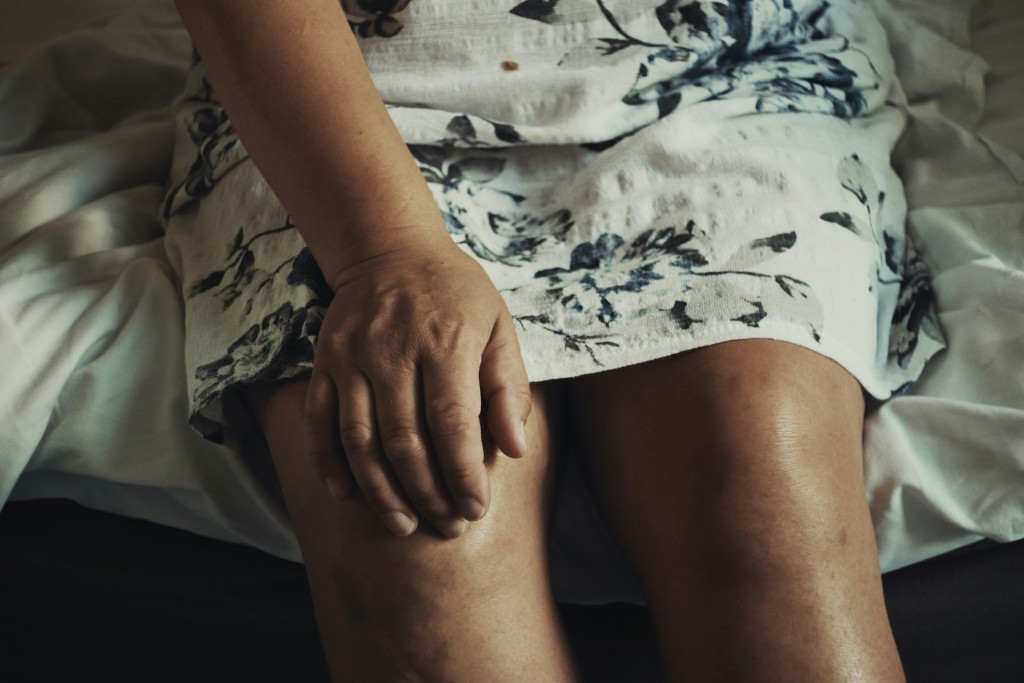
Do your lower legs swell in the afternoon, or do your hands and feet often feel cold even when the air conditioning isn't high? A doctor warns that these symptoms could hide 5 major health risks, potentially related to heart and kidney damage. He also teaches 4 self-test warning signs and shares 3 secrets for reducing water retention.
Nutritional and functional medicine expert Dr. Lau Pok-yan posted on his Facebook page that in his clinic, he often encounters patients complaining: "Every afternoon, my calves feel heavy as if filled with lead, and my shoes become very tight. Also, even though my office isn't that cold, my hands and feet often feel like icicles." He notes that these symptoms could hide 5 major health risks:
- Heart Dysfunction: If the heart's pumping power is insufficient, blood cannot return effectively, leading to lower limb edema, possibly accompanied by shortness of breath when walking.
- Kidney Problems: The kidneys are responsible for metabolizing fluids and proteins. If kidney function is impaired (e.g., protein loss in urine), systemic swelling can occur, most often noticed in the eyelids or legs.
- Anemia: When red blood cells are insufficient, oxygen-carrying capacity drops, leading to poor peripheral circulation and cold hands and feet.
- Venous Valve Insufficiency: This is the most common cause, often related to prolonged sitting or standing, causing blood to pool in the lower body and not return properly.
- Mitochondrial Energy Deficiency: When the efficiency of mitochondria (the cell's power plants) is low, the body produces less heat, making one particularly sensitive to cold.
4 Self-Test Warning Signs: One Urine Symptom Requires Caution
Lau reminds that although most edema is related to poor lifestyle habits, seek medical attention promptly if you experience the following 4 dangerous signs:
- Unilateral Swelling: Swelling in only one leg requires vigilance for deep vein thrombosis.
- Non-Rebounding Pitting Edema: When you press on the swollen area with a finger, the indentation remains for a long time before returning.
- Accompanied by Shortness of Breath: Feeling short of breath when walking or lying down may signal cardiopulmonary issues.
- Abnormal Urine: Excessive bubbles in the urine that persist for a long time.
3 Methods to Reduce Water Retention: One Action You Can Do in the Office
If the discomfort of swelling and coldness is mild, Lau suggests improvements through the following three approaches:
1. Dietary Suggestions
- Control Salt Intake: Eating too much salt causes the body to retain water, worsening swelling.
- Consume Adequate High-Quality Protein: Insufficient albumin in the blood plasma allows fluid to leak out of blood vessels, causing edema.
2. Supplement Key Nutrients
- Bioflavonoids: Help strengthen capillary walls and improve circulation.
- Magnesium: Helps relax vascular smooth muscle, improving peripheral blood flow.
- Vitamin B Complex (especially B12 and folate): Helps produce red blood cells, improving anemia.
- Iron: If diagnosed with iron-deficiency anemia, supplement with about 15-30 mg of iron daily under medical guidance.
3. Lifestyle Adjustments
- Leg Elevation: Raise your legs above heart level for about 15 minutes before bed each night to help blood return.
- Calf Raises: The calves are known as the body's "second heart." In the office, stand up every hour and do 20 heel raises, using muscle contraction to create a pumping effect.
- Wear Compression Stockings: Those who need to stand for long periods should choose compression stockings with appropriate pressure.
- Warm Foot Baths: Helps promote peripheral vasodilation, effectively relieving cold hands and feet.