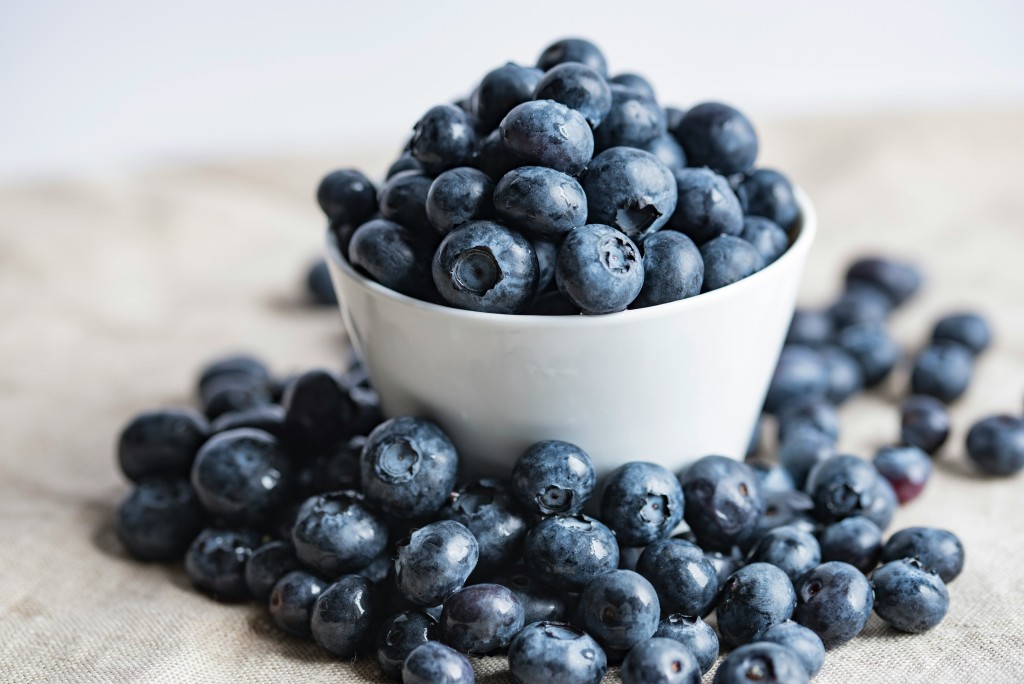
The general public often believes fresh ingredients are inherently healthier, while frozen foods are inferior. However, a study from South Dakota State University (SDSU) indicates that frozen blueberries can have even higher nutritional value than fresh ones, with the key lying in the effect of low-temperature processing on plant cells. Another interesting myth: when people think of "eye health," they think of blueberries, but their benefits aren't as powerful as commonly believed.
1. Are Frozen Blueberries More Nutritious?
Research shows that the concentration of antioxidants called anthocyanins in frozen blueberries increases after freezing. Anthocyanins have excellent anti-aging and anti-cancer properties, neutralizing free radicals in the body, reducing cell damage, and lowering cancer risk. Additionally, anthocyanins help alleviate inflammatory responses, lower blood pressure, and prevent heart disease. Because frozen blueberries' anthocyanins are more easily absorbed by the body, their health benefits surpass those of fresh blueberries. Blueberry antioxidants are mainly stored in the skin, and the ice crystals formed during freezing disrupt the epidermal cell structure, essentially creating a "fast track" for the body to absorb the antioxidants. In contrast, fresh blueberries have intact cell structures, and the body may not fully absorb their nutrients.
- Preserving Freshness & Inhibiting Bacteria: The freezing process slows down the metabolic rate of food cells, reducing nutrient loss. It also inhibits enzymatic reactions, delaying spoilage. Additionally, the low-temperature environment removes some moisture, effectively suppressing bacterial growth.
- Longer Shelf Life: Frozen blueberries can be stored for up to a year, whereas fresh blueberries begin to spoil after just two weeks.
- Hygiene Assurance: Most frozen fruits are washed before packaging, offering relatively stable hygiene standards.
2. Are Blueberries Not the True King of Eye Health?
Besides being rich in the antioxidant anthocyanins, what's more important for eye health are lutein and zeaxanthin. Studies indicate that higher blood concentrations of these two nutrients correlate with better eye health.
While blueberries do contain these components, their levels pale in comparison to dark green vegetables. Per cup, sweet potato leaves contain up to 5,150 micrograms of lutein and zeaxanthin, a concentration 44 times higher than that of blueberries. Common spinach and kale contain 3,660 micrograms and 3,590 micrograms respectively, both over 30 times higher than blueberries. Even broccoli contains about 10 times more eye-healthy components than blueberries.
Color Differences Affect Nutritional Density
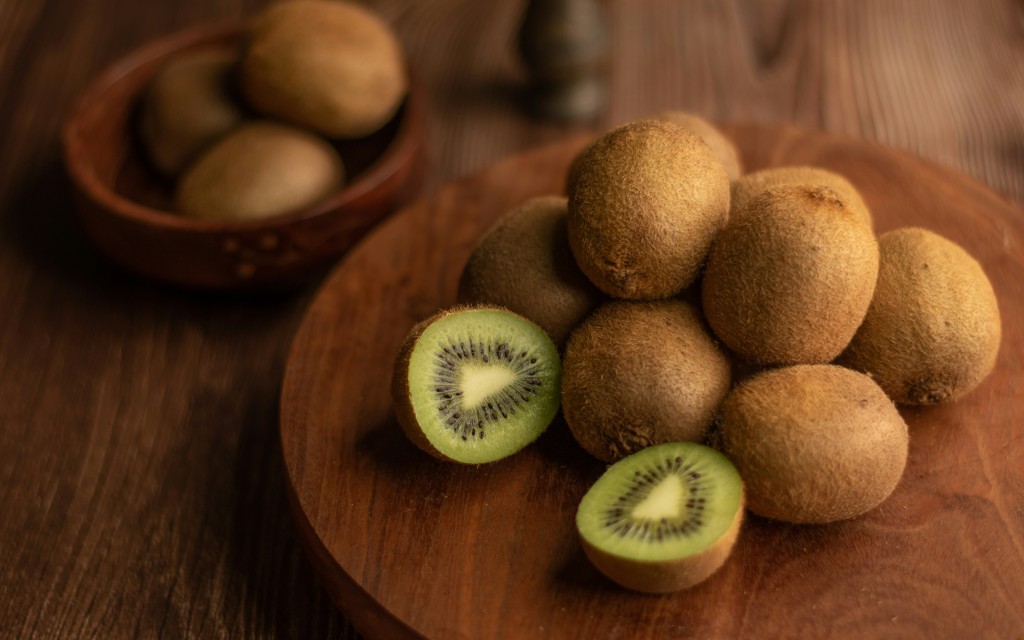
Furthermore, even within the same type of fruit or vegetable, color intensity directly affects nutrient content. For example, green kiwifruit contains about 5 times more lutein and zeaxanthin than golden kiwifruit. Among bell peppers, green bell peppers contain over 6 times more of these nutrients than red bell peppers. Therefore, if citizens want to more effectively protect their eyesight, in addition to eating blueberries, consuming a balanced variety of dark green vegetables is a more ideal choice.
3. More White Bloom on Blueberries Indicates Fresher Fruit
Blueberries are often covered with a thin layer of white powder, frequently mistaken for residue and scrubbed off excessively. Nutritionist Mellissa emphasizes that this white powder is actually "epicuticular wax," a natural protective barrier for blueberries. It locks in moisture, preserves freshness, repels insects, and inhibits fungal attack. In fact, the density of this wax is a key indicator of freshness: the more bloom, the better the fruit quality.
When selecting high-quality blueberries, Mellissa recommends inspecting the bottom of the container. Good blueberries should be plump, dry on the surface, with intact stems. If fruits are wrinkled, shriveled, or leaking juice, they have been stored too long and should be avoided.