Read More
According to statistics, there are 100,000 people in Hong Kong living with dementia, and the number is on a significant upward trend. To help prevent dementia, a doctor recommends 10 types of foods that can help keep the brain young. Surprisingly, even eating carrots regularly can be effective.
ADVERTISEMENT
SCROLL TO CONTINUE WITH CONTENT
Dr. Luo Xixi, a radiologist at the Second Affiliated Hospital of Zhejiang University School of Medicine, posted on social media about a scientific and practical approach called the "MIND Diet." This diet was developed by Rush University Medical Center in the United States in 2015, combining the essence of the Mediterranean Diet and the DASH Diet. Its goal is to delay the decline of cognitive function and reduce the risk of developing dementia. He suggests that even without strictly following every guideline, simply incorporating the following 10 types of foods into your daily diet can promote a healthier, younger brain.
10 Foods for a Younger Brain
- Leafy Green Vegetables: Aim for at least 6 servings per week. Choose options like spinach, romaine lettuce, bok choy, and crown daisy. When selecting, look for vibrant green leaves without yellow spots and firm stems. Cook lightly with less oil and salt to preserve nutrients like folate, vitamin E, and flavonoids. Ideas: stir-fried spinach with garlic, blanched romaine lettuce with dressing, or crown daisy in soup.
- Other Vegetables: Aim for at least 1 serving per day. For carrots, choose smooth, brightly colored ones. For zucchini, smaller ones tend to be more tender. For purple cabbage, pick firm heads with thick leaves. Cook with minimal oil and salt to maximize brain benefits. Ideas: shredded carrot salad or in soup, stir-fried zucchini, steamed purple cabbage with a splash of vinegar.
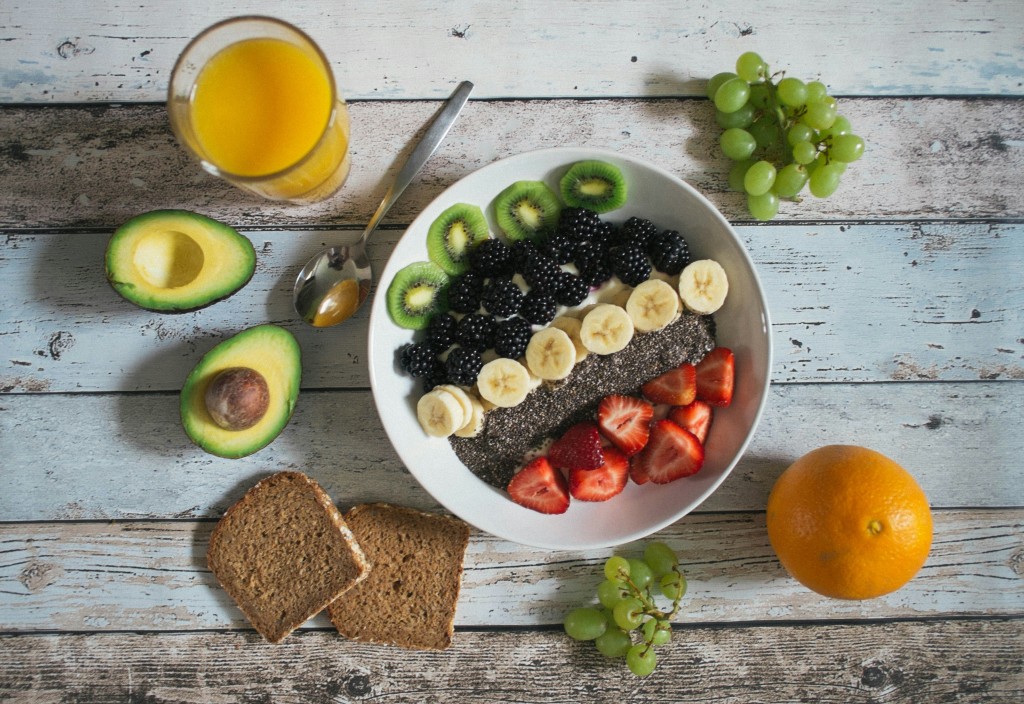
- Berries: Aim for at least 2 servings per week. Choose strawberries that are plump and unbruised, blueberries that are firm and not soft, and raspberries or blackberries with vibrant color and no mold. Ideas: add blueberries to yogurt or oatmeal, slice strawberries into fruit salad, or enjoy raspberries plain on cereal.
- Nuts: Aim for 5 or more servings per week. When selecting, choose walnuts with intact shells, raw unsalted almonds and cashews, and raw or dry-roasted peanuts. A serving is about 15-20 grams. Ideas: grab a handful as a snack, crush walnuts over salad, or soak almonds in water and peel them.
- Olive Oil: Use extra virgin olive oil as your primary cooking oil. Look for bottles labeled "Extra Virgin" with a golden or light green color and a mild aroma. Use for cold dishes (like drizzling over tomato and cucumber salad) or for low-heat sautéing to preserve its monounsaturated fats.
- Whole Grains: Aim for 3 servings per day. Choose plain, unsweetened oats; plump, clean brown rice; smooth-skinned sweet potatoes without dark spots; and whole wheat bread with a simple ingredient list (no added sugar). Ideas: oatmeal with milk and fruit, soft-cooked brown rice with vegetables, baked or steamed sweet potatoes.
- Fish: Aim for at least 1 serving per week. When buying fresh fish like sea bass, crucian carp, or hairtail, look for clear eyes and intact scales. For frozen fish, choose vacuum-sealed packages without frost. Prioritize deep-sea fish rich in Omega-3. Steaming or braising is preferred over frying to retain nutrients.
- Beans/Legumes: Aim for 4 servings per week. Choose plump, unblemished beans like red beans, soybeans, and mung beans; vibrant green edamame pods; and glossy black beans. Ideas: red bean porridge, mung bean soup, boiled edamame with a pinch of salt, soybeans in soup, or chilled black bean salad.
- Poultry: Aim for at least 2 servings per week. Choose pink, fresh-smelling chicken breast; firm turkey thighs; and high-quality fresh or frozen silkie chicken. Methods like steaming, braising, or making soup are better than frying to keep it low-fat. Ideas: steamed shredded chicken breast salad, braised turkey thighs, silkie chicken soup.
- Beverages: Choose unsweetened beverages. Green tea (opt for light, aromatic varieties), black coffee (unsweetened), herbal teas (natural, additive-free), and plain water. Ideas: a cup of black coffee in the morning, herbal tea in the afternoon, green tea after meals. Avoid high-caffeine drinks after 3 PM to prevent sleep disruption.
5 Types of Food That Can Harm the Brain: Limit Red Meat and Sweets
Luo also reminds us that certain foods should be limited to reduce the burden on the brain:
- Cream and Margarine: Limit to less than 14g per day. Replace with olive oil for cooking.
- Cheese: Limit to no more than once a week.
- Red Meat (Pork, Beef, Lamb): Limit to no more than 3 times per week.
- Fried Foods: Limit to less than once a week.
- Pastries and Candies: Limit to no more than once a week.
The MIND Diet works by reducing oxidative stress and inflammation, protecting the brain from these hidden threats. It may even help reduce the buildup of amyloid-beta plaques, a hallmark of Alzheimer's disease. By consistently eating the right foods, it's like having a guardian for your brain, helping it stay sharp and youthful.
What Are the Symptoms of Dementia in Early, Middle, and Late Stages?
According to the Hospital Authority, dementia is a degenerative brain disease caused by the deterioration of brain nerve cells. It affects memory, understanding, language, learning, calculation, and judgment. Some individuals may also experience changes in mood, behavior, and perception.
- Early Stage (Years 1-2): Symptoms may be mistaken for normal aging. Signs include short-term memory loss, difficulty with abstract thinking (e.g., expressing physical discomfort or feelings), mood swings, trouble learning new things or following complex instructions, and reduced judgment. Basic self-care is possible but may require reminders.
- Middle Stage (Years 2-5): Early-stage difficulties become more pronounced. Changes include confusion between long-term and current memories, occasional word-finding difficulties, personality changes, emotional instability, and needing help with daily activities.
- Late Stage (After Year 5): Patients become almost entirely dependent on others. Symptoms include severe memory loss (forgetting familiar people and things), physical and mental decline, inability to communicate effectively, inability to manage daily life, requiring long-term care, and disrupted sleep-wake cycles.