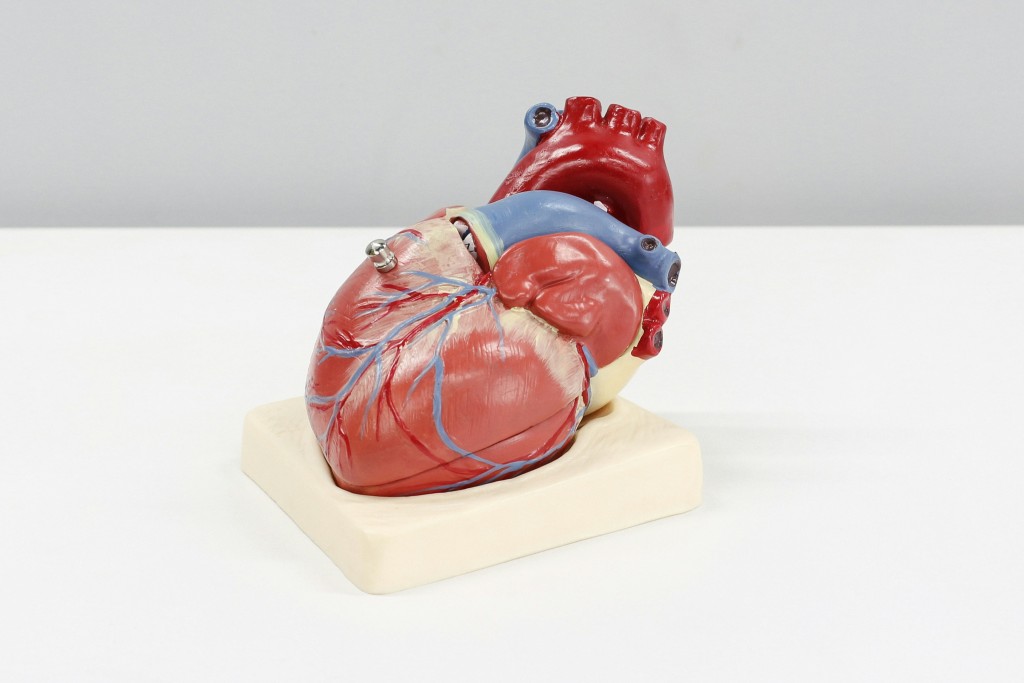
Cardiovascular disease is the world's leading cause of death and is closely linked to daily diet. A doctor points out that excessive consumption of 4 common foods can increase the risk of conditions like high blood pressure, high cholesterol, obesity, and can potentially trigger various cardiovascular diseases, posing a life-threatening danger. Surprisingly, one of these is a protein source!
According to Japanese media President Online, Japanese cardiovascular surgeon Dr. Tsuyoshi Watanabe states that the key to preventing vascular aging lies in creating high-quality blood conditions, and the most practical way to achieve this is through dietary improvement. Although preventing various diseases typically involves a combination of diet and exercise, establishing an exercise routine can be a significant challenge for those who are not accustomed to it. In contrast, adjusting one's diet can be done at any time—you can start from the very next meal.
Dr. Watanabe explains that the priority given to dietary improvement is not only due to its low barrier to entry but also because blood composition changes in response to food. Therefore, adopting a diet that prevents the formation of low-quality blood is crucial. The risk factors for arteriosclerosis include hypertension, dyslipidemia, diabetes, obesity, and smoking. Apart from smoking, all other factors are closely related to diet. In other words, improving one's diet allows high-quality blood to circulate through the blood vessels, which not only maintains vascular health but also helps prevent various lifestyle-related diseases. He reminds everyone to be mindful of the following 4 types of food in their daily diet, as they can potentially harm the cardiovascular system:
1. Sugar
When people think of sugary foods, they often think of cakes, ice cream, dorayaki, and other sweets. However, beyond desserts, sugar is also hidden in everyday condiments like ketchup and salad dressing. The potential health risk of this 100% pure carbohydrate lies in its rapid digestion and absorption by the body. Carbohydrates can be divided into three types:
- Monosaccharides: Simple molecular structure, absorbed quickly.
- Disaccharides: Composed primarily of sucrose (glucose and fructose). They break down immediately upon entering the body, with glucose being absorbed by the small intestine.
- Polysaccharides: Composed of multiple monosaccharides linked together.
It's important to note that this rapid absorption mechanism causes a sudden spike in blood sugar concentration, leading to postprandial hyperglycemia. When blood sugar rises sharply, the pancreas must secrete a large amount of insulin. This hormone, which helps glucose enter cells, when overworked chronically, can lead to pancreatic dysfunction and eventually diabetes. Furthermore, postprandial hyperglycemia typically begins to develop about 10 years before a diabetes diagnosis, but often only shows abnormalities in standard tests like fasting blood sugar or HbA1c at later stages.
Excessive consumption of sugary foods leads to obesity because the sharp rise and subsequent steep drop in blood sugar trigger intense hunger, leading to overeating and fat accumulation. More severely, these blood sugar fluctuations stimulate the body to produce excessive reactive oxygen species (ROS). While moderate levels of ROS have protective effects against pathogens, excessive amounts can attack the body's own cells and DNA. This oxidative stress is known to accelerate the progression of arteriosclerosis.
2. Refined Wheat Flour
Foods made from wheat flour are diverse, including various breads, pasta, udon, ramen, cakes, cream puffs, the batter for fried foods and tempura, and even the thickening agent for curry. Wheat flour is mainly categorized into refined high-gluten and low-gluten flours, and whole wheat flour, which retains the bran and germ.
Refined flour undergoes processing that deliberately removes the fiber-rich bran and germ. As a result, its carbohydrate absorption rate is similar to that of granulated sugar, potentially causing sharp blood sugar spikes and increasing the risk of obesity, diabetes, and arteriosclerosis. It's worth noting that while wheat flour originates from natural grains, the highly refined process significantly strips away its nutritional value. As a staple food ingredient, it's easy to consume excessive amounts of refined carbohydrates at every meal. Therefore, compared to sugar, the intake amount and frequency of refined flour need even stricter control.
3. Salt
Salt, an indispensable seasoning in cooking, poses potential health risks primarily due to its main component, sodium ions. When sodium concentration in the body is too high, a physiological regulation mechanism is triggered, causing fluid from surrounding tissues to seep into the blood vessels to dilute the concentration. This process leads to increased blood volume and elevated blood pressure. Long-term, this can cause the vessel walls to withstand excessive pressure, leading to damage. It is important to note that regardless of the type of salt, its effect on vascular health stems from the action of sodium ions and is essentially the same.
Special caution is needed: even foods labeled as low-sodium or light can still lead to exceeding the sodium limit if consumed in large quantities. The key to maintaining cardiovascular health is strict control over daily sodium intake.
4. Protein Powder
Beyond its use in fitness supplementation, protein powder has recently become a nutritional supplement easily accessible to children and women alike. Protein powder is essentially protein isolated and purified from its source into a powdered form, allowing for efficient protein intake. However, its potential health risk primarily stems from the metabolic burden it places on the kidneys. The mechanism can be understood in three stages:
- Ingested protein is broken down into amino acids. Excess amino acids are metabolized in the liver, producing ammonia.
- Ammonia is a harmful substance, but it is immediately converted into urea in the liver.
- Urea is filtered by the kidneys and excreted in urine.
While this metabolic pathway is the same as for natural protein foods, the key difference lies in the powder form. Its absorption rate is far faster than that of natural foods, forcing the kidneys to process large amounts of metabolic by-products in a short time. According to a 2010 study, healthy participants who followed a long-term high-protein diet showed significantly higher kidney function workload compared to a normal protein intake group. More concerning is that the convenience of protein powder often leads to unintentional overconsumption, resulting in kidney overload. Once diagnosed with chronic kidney disease, kidney function decline is irreversible and can even lead to myocardial infarction and angina.
In fact, protein supplementation does not necessarily have to rely on protein powder. It is recommended to obtain protein from natural foods like meat, fish, eggs, and dairy, which provide other essential nutrients simultaneously. Protein powder should only be used as a supplement when dietary intake cannot meet requirements, not as a primary protein source.
Vascular Hardening Caused by Fat Accumulation Can Lead to Stroke and Heart Disease
According to the Hong Kong Department of Health, when fat accumulates, deposits form on the inner walls of blood vessels, causing them to harden, narrow, become blocked, and lose function. This can lead to ischemia and hypoxia in major organs, resulting in cardiovascular diseases such as heart disease, hypertension, and stroke. Cardiovascular disease is the world's leading cause of death and is a major contributor to mortality and morbidity in Hong Kong.
Recommendations for Preventing Cardiovascular Disease:
- Healthy diet
- No smoking or smoking cessation
- Regular, moderate exercise
- Prevention of obesity or weight control
- Prevention of hypertension
- Proper stress management