





Read More






Struggling to sleep? 5 natural foods to help you fall asleep
15-07-2026 12:00 HKT

9 surprising uses for coffee grounds
14-07-2026 12:00 HKT

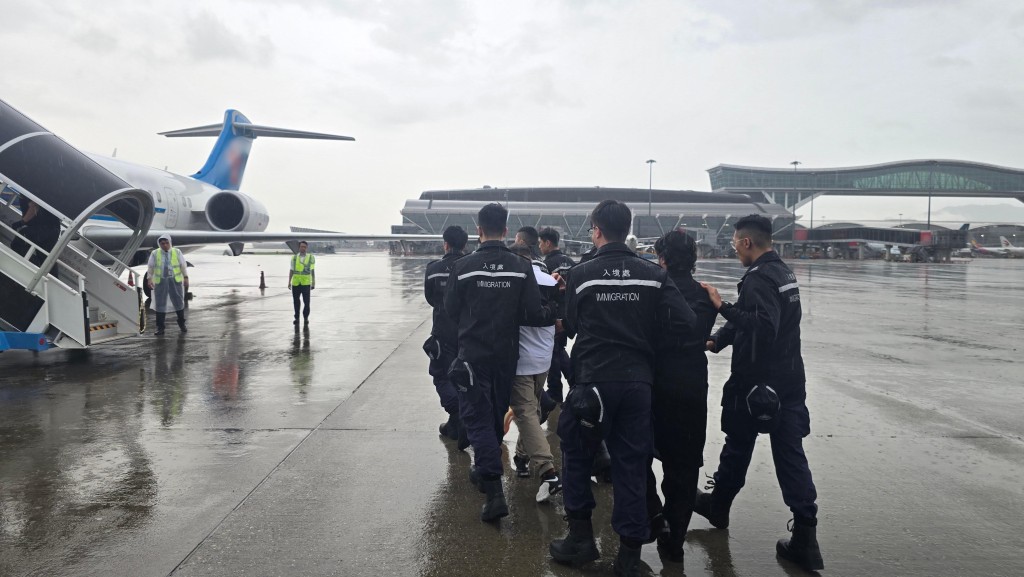
ImmD escorts resisting Pakistani illegal immigrants back home
17-07-2026 18:28 HKT


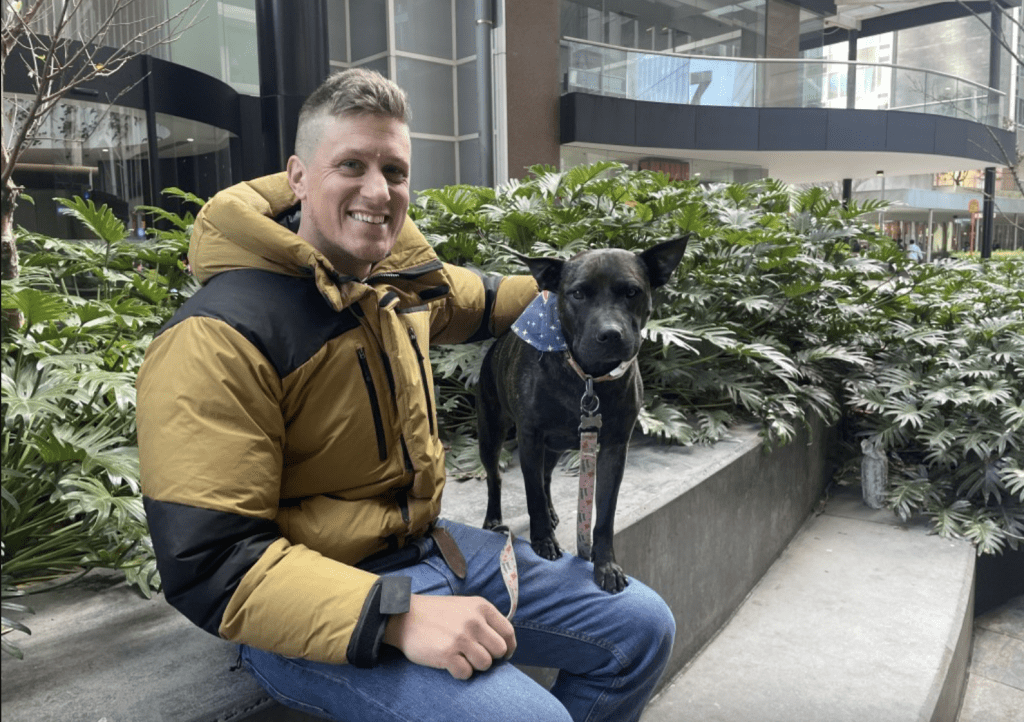
Water can carry a boat, but it can also overturn it – the same applies to technology. While many discuss the negative impacts of artificial intelligence, an inspiring story of "AI saving a dog" has emerged from Australia. A man used ChatGPT and the AlphaFold system to successfully develop a cancer vaccine for his beloved dog, who had only months to live, effectively extending her life. After treatment, the dog's tumor significantly shrank. The owner said tearfully, "She's my best friend. Now it's my turn to fight for her."
Foreign media reported that in 2019, Australian tech expert Paul Conyngham adopted a mixed-breed dog named Rosie from an animal shelter. Five years later, Rosie was diagnosed with cancer. Despite Paul spending thousands of Australian dollars on traditional treatments like chemotherapy, the tumor did not shrink. "Rosie is my best friend. She's been with me through so many tough moments – breakups, difficult business negotiations, walks in the forest." Paul said, his voice choking with emotion during a local TV interview: "When we were told she only had months to live, I felt I had to do something for her too."
Determined to embark on a "dog-saving journey," Paul, who has 17 years of experience in AI and data analysis, first spent 3,000 Australian dollars (approximately HK$15,000) to commission the Ramaciotti Centre for Genomics at the University of New South Wales (UNSW) to perform genomic sequencing on Rosie. Paul shared, "I went straight to ChatGPT and formulated a plan with it, researching what needed to be done."
Paul compared Rosie's healthy DNA with her tumor DNA to find the root cause of the problem. He explained using a vivid analogy: "It's like having the engine of a new car, and then comparing it to the engine of the same car after it has driven 300,000 kilometers – you can compare the two and see where the damage is."
Next, he utilized the AlphaFold AI system developed by Google DeepMind, a system specifically designed for predicting protein structures. Through AlphaFold, Paul successfully identified the genetic mutations in the tumor and matched them with the drugs needed for treatment.
This breakthrough allowed Paul to collaborate with the UNSW team to develop a tailor-made mRNA vaccine for Rosie. The principle of mRNA vaccines involves using synthetic messenger RNA to instruct cells to produce harmless viral proteins, thereby stimulating an immune response. Professor Pall Thordarson, Director of the UNSW RNA Institute, stated, "This is the first time a personalized cancer vaccine has been designed for a dog. This is still at the forefront of cancer immunotherapy, and ultimately, we will use this technology to help humans. Rosie is teaching us that personalized medicine can be very effective and can be accomplished in a short time using mRNA technology."
Rosie received her first vaccine dose in December 2025, followed by a booster shot. Although her cancer was already at an advanced stage when diagnosed, the tumor volume significantly decreased after treatment. Paul is currently working on developing a second vaccine dose, aiming to eliminate the remaining tumor cells. He said hopefully, "For some cancers, we genuinely have the opportunity to transform them from a terminal illness into a manageable chronic condition."