





Read More







The 5cm lift: Activating your entire body's muscles
08-05-2026 12:00 HKT

Mother's Day dining revenue drops $50m, expert says
11-05-2026 13:30 HKT

Hong Kong’s iconic Lamma Winds decommissioned after two decades
11-05-2026 18:07 HKT


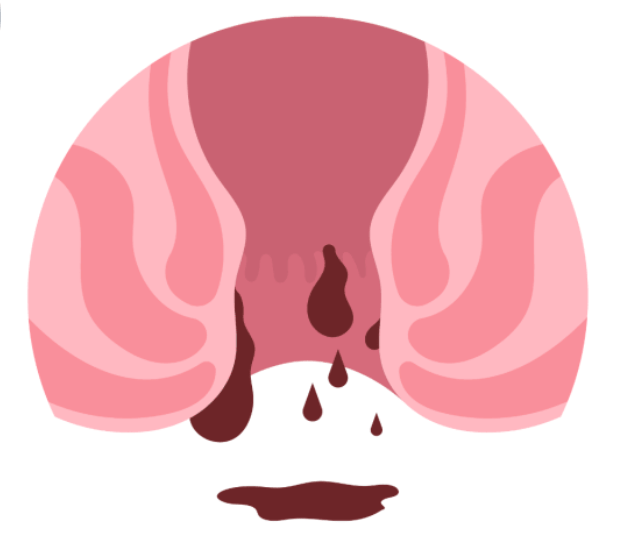
Have you ever noticed unusually black stool after a bowel movement, or seen dark red water in the toilet? Have you ever vomited coffee-ground-like material? These signs could indicate gastrointestinal bleeding. Upper gastrointestinal bleeding is a medical emergency that should not be ignored, as severe cases can be life-threatening.
Bleeding occurring anywhere from the esophagus to the anus is called "gastrointestinal bleeding." It is traditionally divided into upper and lower GI bleeding. Upper GI bleeding refers to bleeding occurring above the ligament of Treitz (esophagus, stomach, duodenum, etc.).
What are the typical symptoms of upper GI bleeding, and how do they differ from lower GI bleeding?
When the amount of bleeding is small, the stool may just appear darker in color but still be formed. Some people may not notice an obvious difference, with the abnormality only detected through a fecal occult blood test. When bleeding is more significant or persistent, the blood, after being digested by stomach acid and intestinal processes, causes the stool to appear as typical tarry stool: black, sticky, shiny, and with a more foul odor. This appearance is highly suggestive and common in upper GI bleeding.
Many people assume that seeing red blood in the stool always indicates lower GI bleeding. However, this is not necessarily the case. If a large amount of bleeding occurs rapidly, the blood may pass quickly without being fully broken down by stomach acid, resulting in dark red or wine-colored stool. Therefore, determining the bleeding location cannot rely solely on "red or black" stool color; it must also consider the overall presentation, including whether there is vomiting of blood, dizziness, palpitations, etc.
Upper GI bleeding may also manifest through the mouth:
Regardless of whether the bleeding amount is large or small, if bleeding persists or is sudden and massive, the body will exhibit signs of anemia and circulatory effects. These include dizziness, fatigue, pale complexion, rapid heartbeat, cold sweats, cold hands and feet, and some may experience shortness of breath or chest tightness. These are not merely "stomach discomfort" but signs that the body is indicating insufficient blood volume or hypoxia.
Because blood stays in the digestive tract for a shorter time, lower GI bleeding typically presents as bright red blood in the stool, either coating the stool surface or dripping out separately. However, symptoms are not absolute, and ultimately, tests are needed to determine the source of bleeding.
Many people become anxious upon seeing black stool, but certain situations can also darken stool color. Examples include taking iron supplements, activated charcoal, certain anti-diarrheal medications, or consuming large amounts of dark-colored foods. To differentiate, bleeding-related black stool more often has a "tarry" texture and may be accompanied by systemic symptoms like dizziness and fatigue. If uncertain, it's best to have a doctor evaluate.
The causes of upper GI bleeding are varied, with peptic ulcers being the most common. These include gastric and duodenal ulcers, often caused by Helicobacter pylori infection, long-term use of nonsteroidal anti-inflammatory drugs (NSAIDs), or irregular eating habits. Severe cases can lead to ulcer perforation and bleeding.
Another significant cause is bleeding from esophageal varices, a common complication of portal hypertension due to liver cirrhosis. This type of bleeding is usually critical. Additionally, chronic gastroesophageal reflux disease (GERD) can cause esophagitis, which may lead to bleeding in severe cases. Upper GI tumors (such as gastric or esophageal cancer) can erode the digestive tract lining and are another common cause of bleeding.
Other causes include gastric or duodenal erosions, Mallory-Weiss tears (esophageal tears from forceful vomiting), and vascular malformations. Long-term use of medications such as anticoagulants and corticosteroids also increases the risk of upper GI bleeding.
When upper GI bleeding is suspected, doctors first take a detailed medical history and measure vital signs such as blood pressure and heart rate to initially assess the severity. Subsequent tests are arranged to identify the cause and location of bleeding.
Step 1: Stabilizing Vital Signs and Replenishing Blood Volume
Medical staff monitor blood pressure, heart rate, oxygen saturation, and urine output, and establish intravenous access for fluid resuscitation. If hemoglobin drops significantly or bleeding is massive, a blood transfusion may be considered. Blood tests are also done to check hemoglobin, coagulation function, liver and kidney function, and electrolytes, as coagulation abnormalities or poor kidney function can affect hemostasis and medication. For patients with frequent vomiting, high risk of aspiration, or altered consciousness, airway protection may be prioritized to prevent aspiration pneumonia or asphyxia.
Step 2: Medication as the Foundation for Hemostasis and Gastric Protection
If ulcers or acid-related bleeding are suspected, proton pump inhibitors (PPIs) are typically used to suppress gastric acid, helping stabilize clots and promote ulcer healing, thereby reducing re-bleeding. If esophageal or gastric variceal bleeding is highly suspected (common in cirrhosis with portal hypertension), medications to reduce portal pressure (such as vasoconstrictors) are used, followed by endoscopic management. For patients on anticoagulants or antiplatelet drugs, doctors balance bleeding severity against thrombotic risk, possibly temporarily stopping or reversing medication if necessary.
Step 3: Gastroscopy (Upper GI Endoscopy) for Diagnosis and Treatment
This is the cornerstone of managing upper GI bleeding. The advantage of endoscopy is direct visualization of the bleeding location and cause, allowing for immediate hemostasis. Common endoscopic hemostasis methods include: injecting hemostatic agents near the bleeding point, clipping the bleeding vessel with hemostatic clips, sealing the bleeding point with electrocoagulation or thermal therapy, or applying topical hemostatic material to cover the lesion. If the bleeding source is an ulcer, endoscopic hemostasis combined with PPI therapy is usually effective. For varices, endoscopic band ligation or sclerotherapy can be performed to control bleeding and reduce recurrence.
During the acute bleeding phase, patients usually require fasting or only small amounts of plain water to allow the gastrointestinal tract to rest fully while awaiting endoscopic examination and treatment.
After successful hemostasis and once stable with no signs of continued bleeding, a gradual return to eating can begin. Start with bland liquids or semi-liquids, such as soups or milk, avoiding any irritating foods. During recovery, the principle is a bland diet: abstain from alcohol and smoking, avoid spicy, fried, and high-fiber foods. Maintain regular meal times and portion sizes, avoid overeating, and also avoid staying up late and excessive stress.
Patients with liver cirrhosis need to restrict sodium intake to prevent or worsen edema and strictly avoid hard-textured foods to prevent injury to esophageal or gastric varices, which could cause re-bleeding.
Upper GI bleeding can be prevented through a combination of approaches, with the core focus on daily lifestyle management and regular screening.