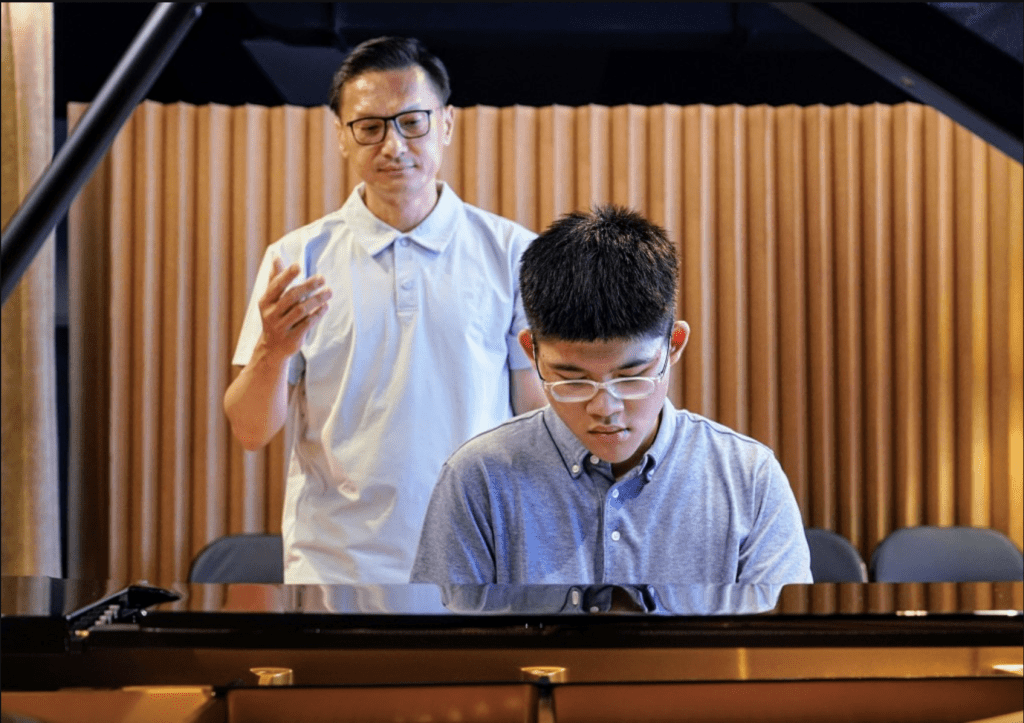
Every year, April 2nd is World Autism Awareness Day. The Heep Hong Society will launch "Autism Awareness Week 2026" to enhance public understanding and care for individuals with autism and their families through real-life stories, encouraging all sectors of society to work together to build a more inclusive community. The Heep Hong Society invited artist Sunny Chan Kam-hung, his wife Ada To Man-wai, and their son Chan Ka-wah to attend the "Walking with ASD, Hearing Love" sharing session on March 21st. The couple shared their journey of caring for their son with autism, and their son, Chan Ka-wah, also took the stage as a young pianist, conveying his growth story through music.
Caring for a child with autism is not easy. Chan and To have shared their experiences raising their son, Chan Ka-wah, many times in the past. Ada To gave birth to their son in 2007. However, when Ka-wah was three and a half years old and still couldn't speak, a medical check revealed that he had autism. Chan, whose career was at its peak at the time, resolutely decided to stop working to be a devoted father, accompanying and caring for his son.
In an interview with Sing Tao Daily last year, the couple admitted that they don't consider themselves "perfect parents," as they have been feeling their way forward for over a decade. They mentioned that Ka-wah had tried various talents, such as drawing and singing. It wasn't until 2019, after watching the movie Bohemian Rhapsody, that Ka-wah suddenly told his mother, "I want to learn piano." His reason was that he hoped to stand on stage and perform like Freddie Mercury.
From starting piano lessons to achieving a performance grade qualification, Ka-wah accomplished this in just five years, studying under pianist Rachel Cheung. On July 5, 2025, Ka-wah held his first public ticketed piano recital in San Po Kong as a young pianist, performing classical pieces by Chopin, Schubert, Mozart, and others.
Ka-wah found his lifelong passion, and his behavior also changed. In the interview, To mentioned that Ka-wah used to not hold doors open for others or let people go first, but now he holds the door to let people pass, saves delicious food for his family, and cares about whether his mother is tired. "We didn't teach him these things; he slowly learned and understood them on his own."
To comforted other parents, saying, "Don't worry too much. They will change; it's just slower." "When children are young and can't do certain things, it's not the end of the world. They will correct themselves when they grow up." Chan also said that the most gratifying change he sees in his son is that "he is willing to change."
Autism | Over 22,000 Affected Children in Hong Kong, with Numbers on the Rise
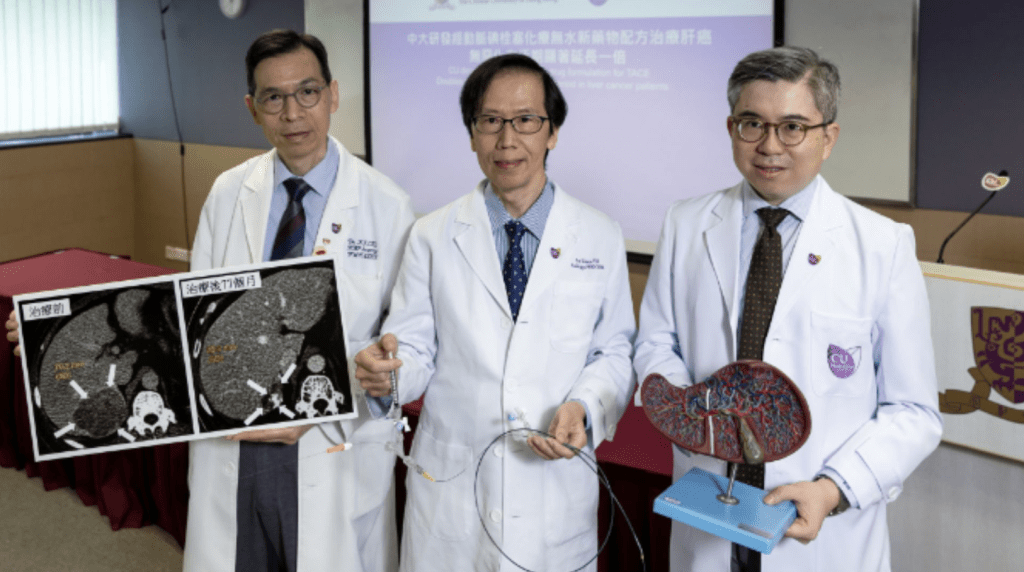
In 2024, the Faculty of Medicine at The Chinese University of Hong Kong (CU Medicine) published research findings in the top international journal Nature Microbiology, for the first time clearly revealing changes in four groups of microorganisms across different domains in the gut microbiome of children with autism. Based on this, they developed the world's first "multi-kingdom microbiome technology." To apply these research results, CU Medicine and MicroSigX collaborated with non-profit organizations in January 2026 to launch a pilot project, providing free "multi-kingdom microbiome technology" testing for 200 eligible pre-school children. The pilot project focuses on children aged 18 months to 4 years who show suspected autistic traits but have not yet been diagnosed.
Professor Ng Siew Chien, Associate Dean (Research) at CU Medicine and Croucher Professor in Medical Sciences, stated at a press conference late last year that the global incidence of new autism cases is four times higher than 20 years ago, and the number of affected children in Hong Kong has exceeded 22,000, with a rising trend. She explained that symptoms of autism in children typically appear between 12 and 18 months of age, but most cases are not diagnosed until age 3.