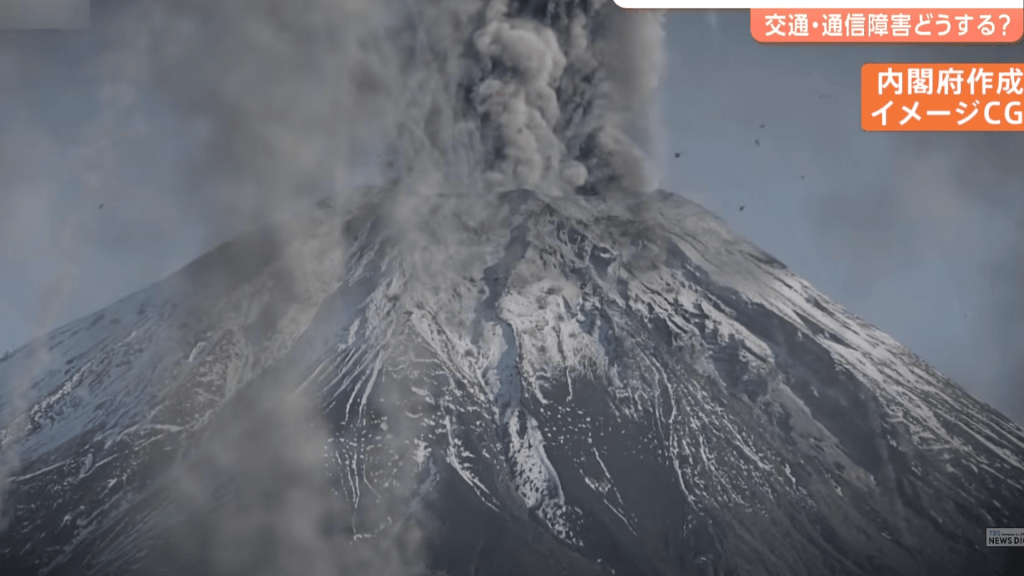
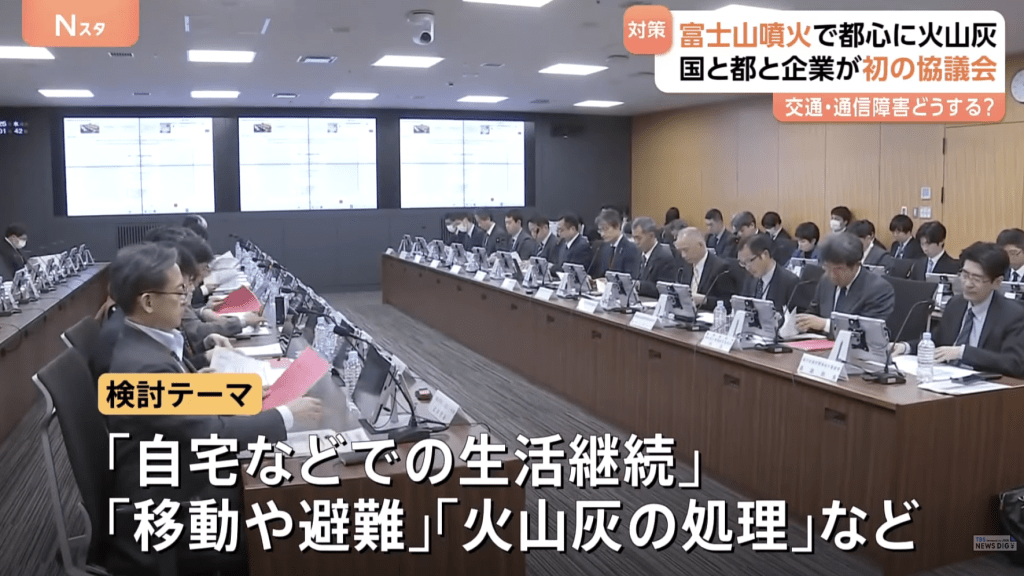
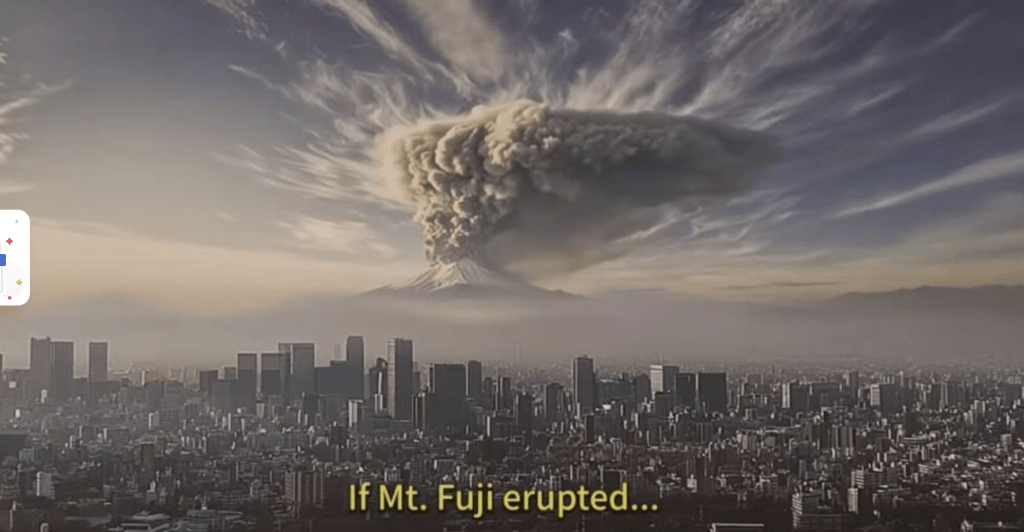
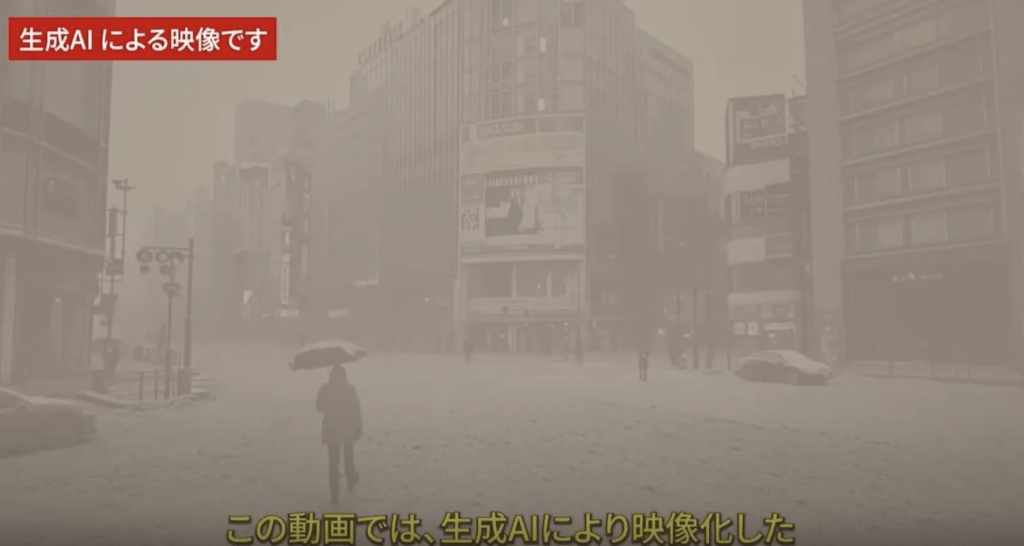
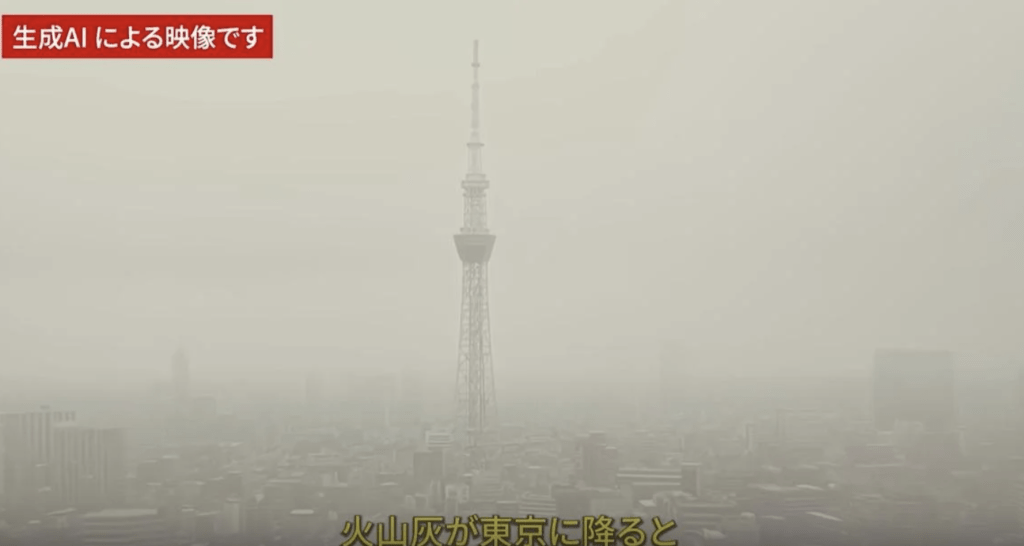
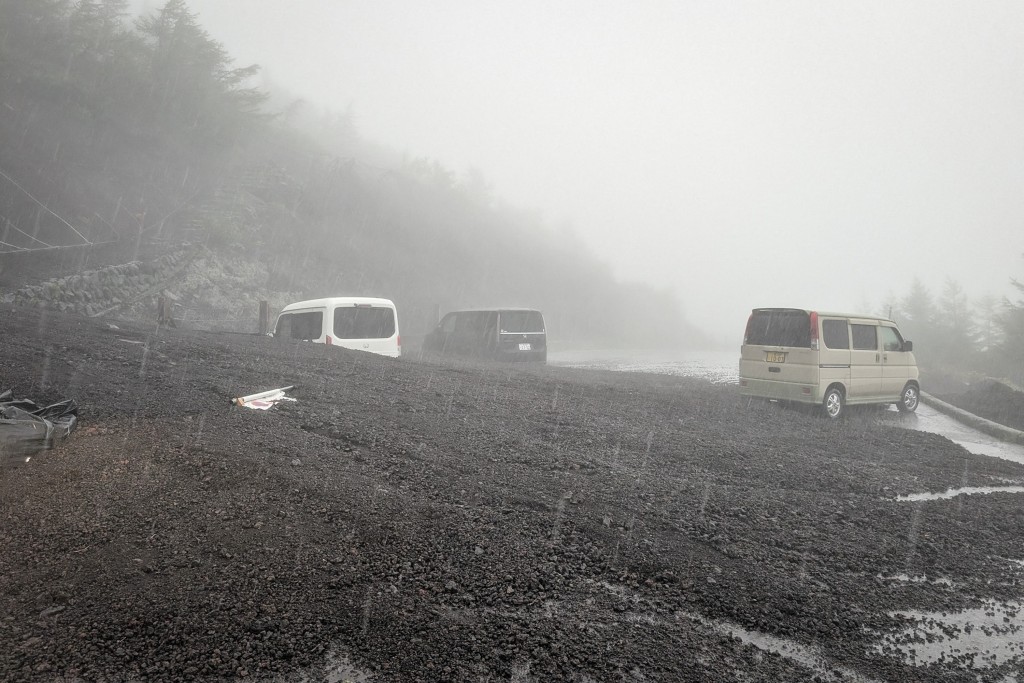
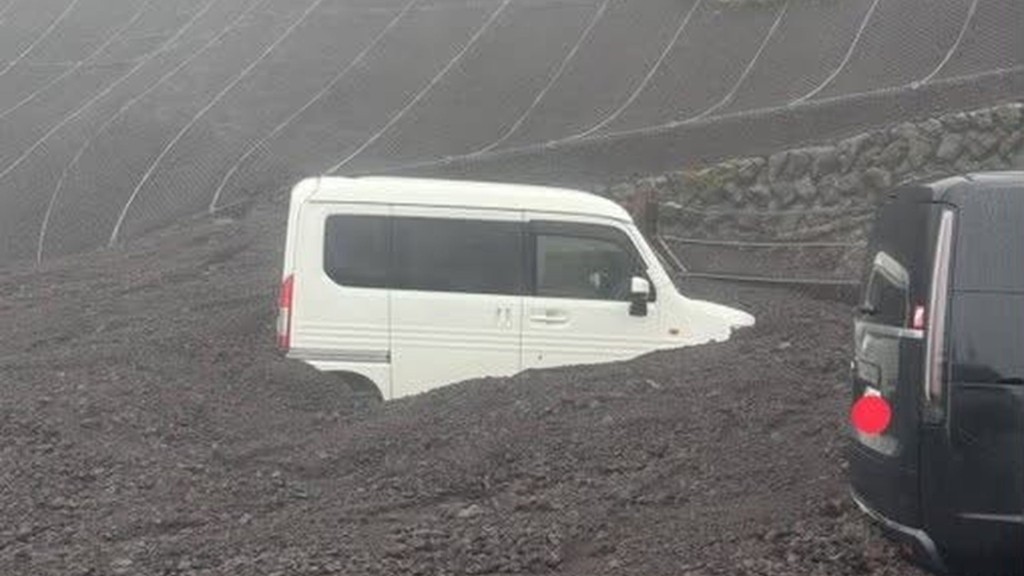
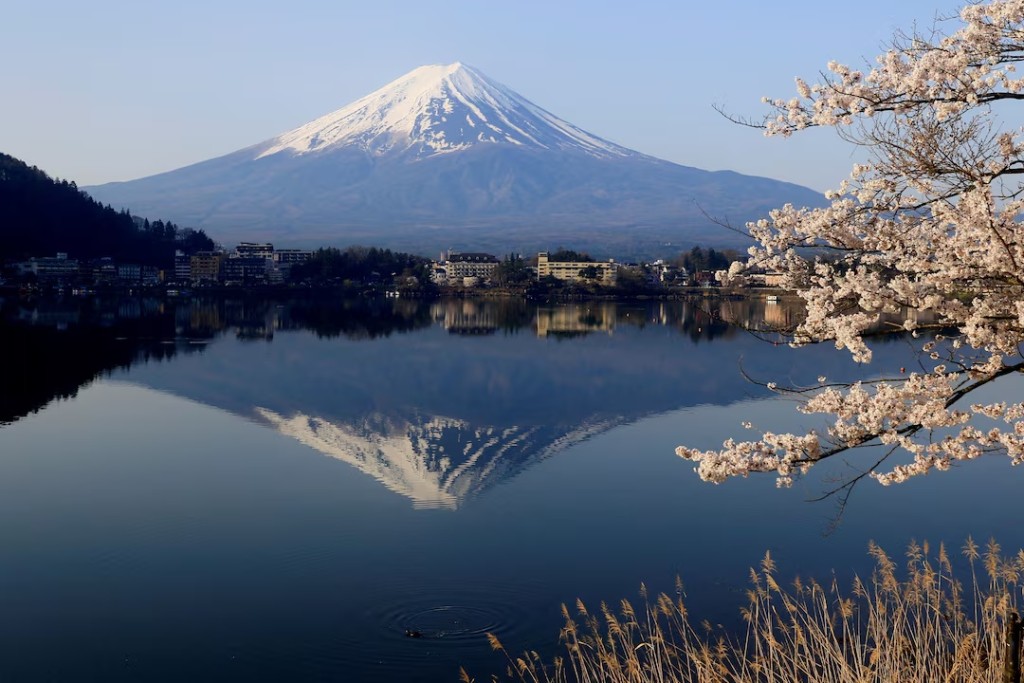
The Japanese government convened its first joint meeting with the Tokyo metropolitan government and major private companies on Thursday to discuss response mechanisms and disaster supply chains in the event of a large-scale eruption of Mount Fuji, which has been dormant for over 300 years but remains an active volcano.
ADVERTISEMENT
SCROLL TO CONTINUE WITH CONTENT
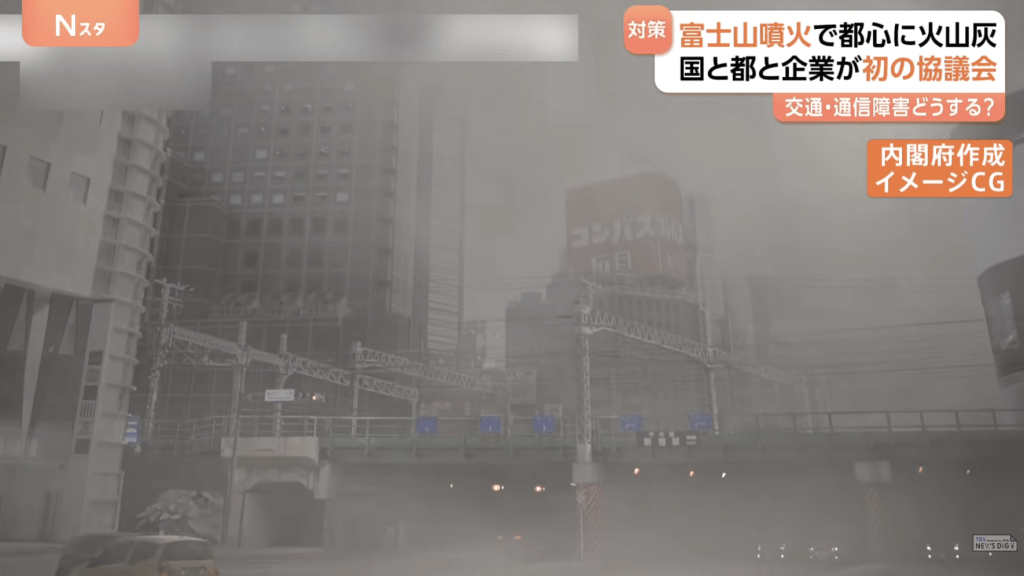
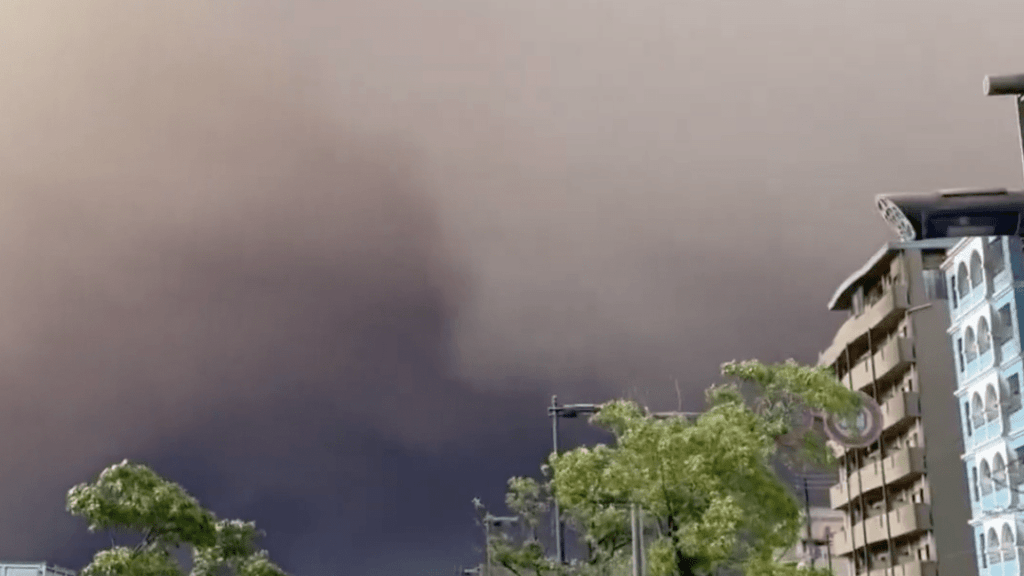
According to the government's latest simulation, if Fuji were to erupt on the scale of the 1707 Hoei eruption, volcanic ash could fall for more than two weeks. In the worst-case scenario, Kanagawa Prefecture could see ash accumulation of up to 30 centimeters, while central Tokyo could be blanketed with 10 centimeters of ash.
+1
Officials warned that such ash thickness would paralyze transportation networks, bringing rail and road traffic to a halt. While the Tokyo government's current guidance advises residents to "stay indoors as much as possible," authorities acknowledged that food and essential supplies would become extremely difficult to obtain if logistics systems collapse.
The meeting brought together key infrastructure operators, including power, telecommunications, and railway companies. Discussions focused on ensuring water and power supplies during prolonged disruption, planning evacuation routes for high-risk areas, and identifying disposal sites for massive amounts of volcanic ash to prevent secondary disasters.
Experts at the meeting warned that Fuji's three-century dormancy is unusually long by volcanic history standards, and the longer pressure builds, the more powerful an eruption could be.
The gathering marks a shift in Japan's disaster strategy from单纯的 relief efforts toward building national resilience. Power and telecommunications companies are reviewing how to protect sensitive equipment from volcanic ash, which is both conductive and abrasive, to prevent the capital's political and economic functions from being completely halted by a natural disaster.