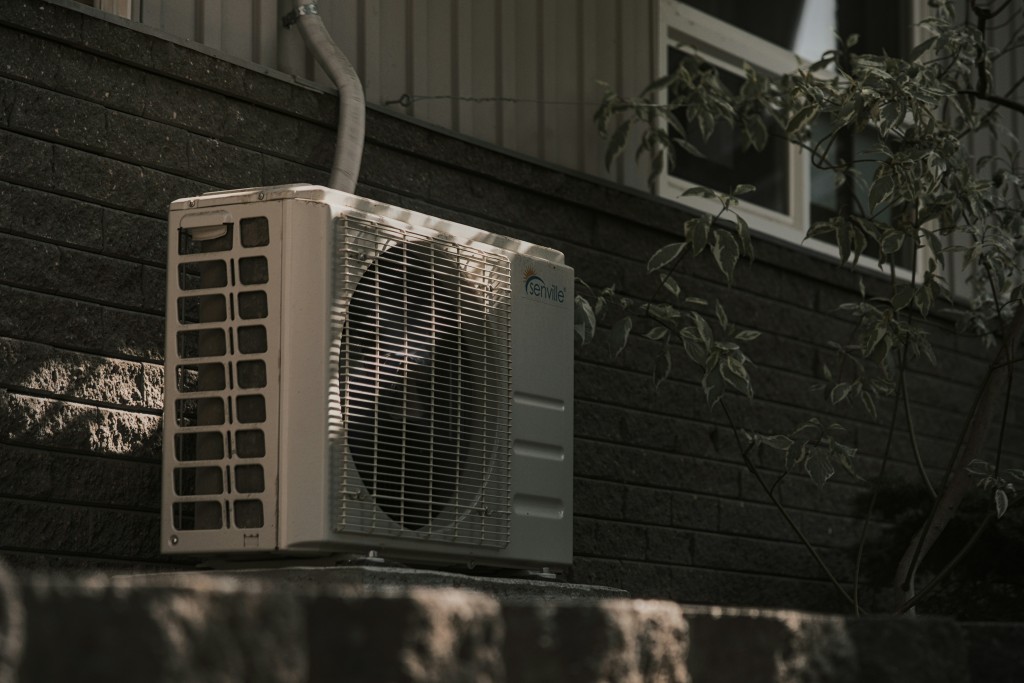
As the weather turns hot, many people are eager to turn on their air conditioners to cool down. A 32-year-old man in mainland China developed a persistent high fever after turning on his AC, initially thinking it was just a common cold. However, a medical examination revealed a large infection in his left lung, all caused by neglecting one important thing when using his air conditioner.
According to comprehensive mainland media reports, Dr. Bao Min, Deputy Director of the Department of Respiratory and Critical Care Medicine at Wuhan Third Hospital, stated during an interview that as temperatures rise, cases of respiratory discomfort and lung infections caused by using unclean air conditioners also increase sharply. She shared a case she treated: a 32-year-old man named Zhang turned on his air conditioner, which had been idle for six months, directly without cleaning it as the weather got hot. He subsequently developed a high fever, muscle aches, and a dry cough for three consecutive days. Initially thinking it was just a cold, he took medication. However, his condition not only did not improve but worsened, with chest tightness and difficulty breathing. After going to the hospital, a chest CT scan showed a large infection in his left lung. He was eventually diagnosed with Legionnaires' disease and only stabilized after targeted emergency treatment.
Bao explained that during the autumn and winter idle periods, components of the air conditioner such as the filter, evaporator, and condensate pan accumulate large amounts of dust and human skin cells. Coupled with the humid climate, this easily breeds pathogenic bacteria like Legionella, mold, and Staphylococcus aureus. These pathogens are invisible to the naked eye. When the air conditioner is turned on, they spread indoors with the airflow and are inhaled, directly attacking the respiratory tract and lungs. She emphasized that a sealed, air-conditioned room worsens air pollution, with bacterial concentrations continuously accumulating, posing a particular threat to the elderly, children, pregnant women, and immunocompromised individuals. Among these, Legionella pneumonia is the most dangerous. Its early symptoms resemble the flu, making it easily misdiagnosed. However, the condition worsens rapidly and can lead to respiratory failure or even multiple organ failure in severe cases.
Beyond the deadly Legionella, Bao pointed out that inhaling mold spores blown out by air conditioners can also trigger allergic rhinitis and asthma. Long-term inhalation can lead to chronic bronchitis, pulmonary fibrosis, and other diseases. This is commonly known as "air conditioner sickness." Common symptoms include dizziness, fatigue, nasal congestion, and skin itching.
What Conditions Favor Legionella Infection? What Are the Symptoms?
According to the Hong Kong Department of Health, Legionnaires' disease is caused by Legionella bacteria. These bacteria can survive in various water environments and particularly thrive in warm water between 20-45°C. Therefore, water tanks, hot and cold water systems, cooling towers, spas, fountains, humidifiers, and home respiratory therapy equipment are high-risk places where Legionella can grow.
Patients may contract Legionnaires' disease by inhaling contaminated water droplets and aerosols released from man-made water systems, or when handling garden soil, compost, or potting mix. Generally, Legionnaires' disease is not spread through person-to-person contact or by consuming contaminated water/food.
Common Symptoms:
- Fever, cough, difficulty breathing, tiredness
- Headache, muscle pain, abdominal pain, diarrhea
- Neurological symptoms (e.g., confusion), respiratory failure
Some infected individuals may only experience short-lived, self-resolving fever, a non-pneumonia condition known as "Pontiac fever."
High-Risk Groups for Legionnaires' Disease
While anyone can contract the disease, the following 6 groups have a higher risk:
- Males
- People aged 50 or above
- Smokers
- Alcoholics
- Immunocompromised individuals, especially those with chronic diseases (e.g., cancer, diabetes, chronic lung or kidney disease)
- Patients taking steroids or immunosuppressants
Additionally, the following situations may increase the risk:
- Poorly maintained water supply systems
- Old-style domestic water supply systems
- Living near cooling towers or fountains
- Using electric water heaters, spas, or hot springs
- Recent stay in hotels or on ships
How to Effectively Prevent Legionnaires' Disease?
- Maintain good personal hygiene.
- Maintain a balanced diet, exercise regularly, get adequate rest, avoid excessive stress, do not smoke, and limit alcohol consumption to strengthen immunity.
- Regularly clean and disinfect faucets and showerhead filters according to manufacturer recommendations.
- If the water system is well-maintained, installing a home water filter is not recommended, as filters can easily clog and breed microorganisms. If using a filter, pore size should be 0.2 microns, and filter cartridges must be replaced regularly as per manufacturer instructions.
- Drain and clean building water tanks at least once per quarter.
- Flush or run infrequently used water outlets (faucets, showerheads, hot water outlets) and water-stagnant areas for at least 1 minute weekly or before use.
- When using home respiratory equipment, follow medical advice, and use only sterile water (not distilled or tap water) for cleaning and refilling. Clean and maintain equipment regularly as per manufacturer instructions. After cleaning/disinfection, rinse with sterile water, freshly boiled and cooled water, or water filtered through a 0.2-micron filter. Do not let equipment accumulate standing water; empty water containers daily, dry all surfaces, and refill with fresh water.
- When handling garden soil, compost, or potting mix: wear gloves and a mask, use low water pressure for watering, open potting mix bags slowly with the opening away from your face, wet soil when repotting to prevent dust, avoid working in poorly ventilated areas like greenhouses, and wash hands thoroughly afterward.
Special precautions for immunocompromised individuals:
- Use sterile or boiled water for drinking, tooth brushing, and mouth rinsing.
- Avoid using humidifiers or other aerosol-generating devices. If using them, use sterile or freshly boiled and cooled water (not directly from the tap). Do not let devices accumulate standing water; empty water containers daily, dry all surfaces, and refill with fresh water.
3 Steps to Clean and Disinfect AC Before Turning It On – Avoid Inhaling Bacteria
Bao particularly reminds the public that a deadly misconception exists: many think cleaning the AC filter is sufficient. In reality, internal parts like the evaporator and fan wheel are the true breeding grounds for bacteria. Cleaning only the filter fundamentally fails to thoroughly eliminate pathogenic bacteria. Bao provides clear safety guidelines for summer AC use. Before turning on the air conditioner for the first time in summer, follow these steps:
- Disconnect power. Remove the filter. Soak and scrub it in warm water with neutral detergent, then air dry in a shaded area. Use a dedicated AC cleaner spray on the evaporator, let it sit for 10 minutes, then turn on cooling mode to drain dirty water.
- After cleaning, run the AC in heating mode for 10-15 minutes to thoroughly dry internal moisture. Then open windows and doors, run the AC in fan mode for 15-30 minutes to exhaust residual dirty air, before closing windows for normal use.
- During use, clean the filter every 1-2 months. When using AC for extended periods, open windows for ventilation every 2-3 hours for 15 minutes. Set the temperature around 26°C and avoid direct cold air blowing on you.