Read More


The 5cm lift: Activating your entire body's muscles
08-05-2026 12:00 HKT


Nutritionist recommends 1 supplement before sleeping on flights
07-05-2026 12:00 HKT

Ill-fitting bras may be a "hidden killer" for spine health
06-05-2026 12:00 HKT



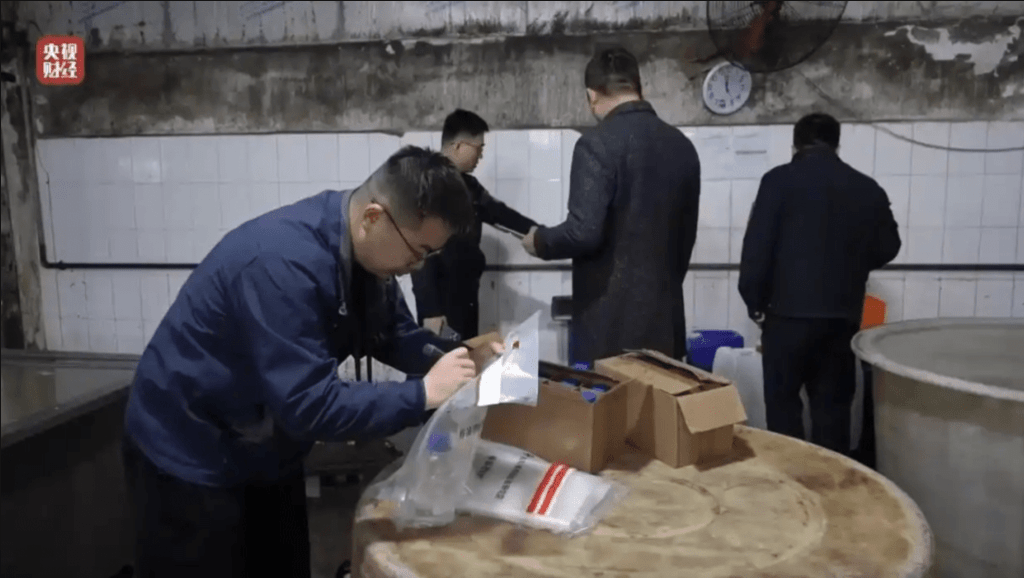
CCTV's "3.15 Gala" program exposed the chaotic food safety practices surrounding "internet-famous chicken feet." Several food processing companies were found illegally using industrial-grade hydrogen peroxide, which is explicitly banned by the state, to soak chicken feet in order to make the products appear whiter and cleaner. Furthermore, the production environment was appalling, filled with a pungent, rotten smell. Chicken feet that fell on the floor or were even stepped on by workers were still processed, completely disregarding hygiene requirements. Experts point out that long-term consumption of food soaked in hydrogen peroxide can cause severe damage to the liver and kidneys, and may even be life-threatening.
CCTV reporters investigated chicken feet production enterprises in the Sichuan-Chongqing region, including Shu Fu Xiang Food Co., Ltd. and Chongqing Zeng Qiao Food Co., Ltd. They discovered extremely dirty and messy processing environments with concerning hygiene levels. The entire workshop was filled with a pungent, rancid odor. The floors were chronically covered with stagnant, murky water. Plastic baskets were piled up messily, and production equipment was coated with thick layers of greasy grime. Large quantities of chicken feet were casually discarded on the damp, dirty floor, with cleaning tools like brooms and shovels placed directly on top of them. Even when workers stepped on the chicken feet, they simply picked them up and threw them back into the processing baskets for continued use.
Despite the appalling production environment, the final shipped chicken feet were miraculously transformed, appearing exceptionally "white and clean." Employees from these food companies and workshops confirmed firsthand: "The chicken feet are bleached with hydrogen peroxide." "Soaked in hydrogen peroxide, they look better when cooked." The most chilling part was their frank admission that they themselves would not dare to eat, and never eat, these chicken feet. Various workshops also prominently displayed large quantities of blue barrels labeled "Hydrogen Peroxide" with a concentration as high as 35%. As for the upstream suppliers selling the hydrogen peroxide, salespeople, fully aware that the chemical was strictly prohibited for use on chicken feet, still readily provided it to the chicken feet producers. They even taught buyers tricks to replace the product labels with ones reading
Experts point out that hydrogen peroxide, chemically known as H₂O₂, is a powerful oxidizer and disinfectant commonly used for environmental sterilization. Soaking food in it destroys its protein and other nutritional components and can mask spoilage and decomposition. Long-term consumption of food soaked in hydrogen peroxide can cause severe damage to the oral mucosa, liver, and kidney functions, and can even be life-threatening.
On March 13th, the State Administration for Market Regulation mobilized law enforcement personnel from multiple locations to conduct surprise inspections of the involved companies and processing workshops. On site, they seized large quantities of both opened and unopened "hydrogen peroxide," and immediately confiscated numerous buckets of chicken feet being soaked, as well as over 500 boxes of the problematic "mountain pepper chicken feet" and "braised chicken feet" products. Authorities emphasized that they will strictly punish the involved companies according to the law for illegal activities such as non-standard production processes and suspected excessive use of food additives.
Besides processing chicken feet, Hong Kong has previously seen reports of hydrogen peroxide being used to bleach shark fins and pistachios. According to the Centre for Food Safety (CFS) in Hong Kong, due to its strong oxidizing properties, the food industry in many countries uses hydrogen peroxide as a bleaching agent for processing foods like flour, cooking oil, and egg whites, or as an antimicrobial agent in milk. However, when used in food processing, the hydrogen peroxide must be "food grade," should not be used in amounts exceeding the necessary effect, and must be removed from the finished product.
The Joint FAO/WHO Expert Committee on Food Additives (JECFA) concluded that ingesting small amounts of hydrogen peroxide does not pose a poisoning risk, as the catalase enzyme in human intestinal cells can quickly decompose it. Ingesting a 3% hydrogen peroxide solution may cause vomiting, mild mucosal irritation, and burns to the mouth, throat, esophagus, and stomach, but generally does not cause severe poisoning. Ingesting high concentrations exceeding 10% can cause burns to the mucous membranes and intestinal lining. The International Agency for Research on Cancer (IARC) considers that there is currently insufficient evidence to prove that hydrogen peroxide causes cancer in humans.