Read More



The 5cm lift: Activating your entire body's muscles
08-05-2026 12:00 HKT



Nutritionist recommends 1 supplement before sleeping on flights
07-05-2026 12:00 HKT

Ill-fitting bras may be a "hidden killer" for spine health
06-05-2026 12:00 HKT




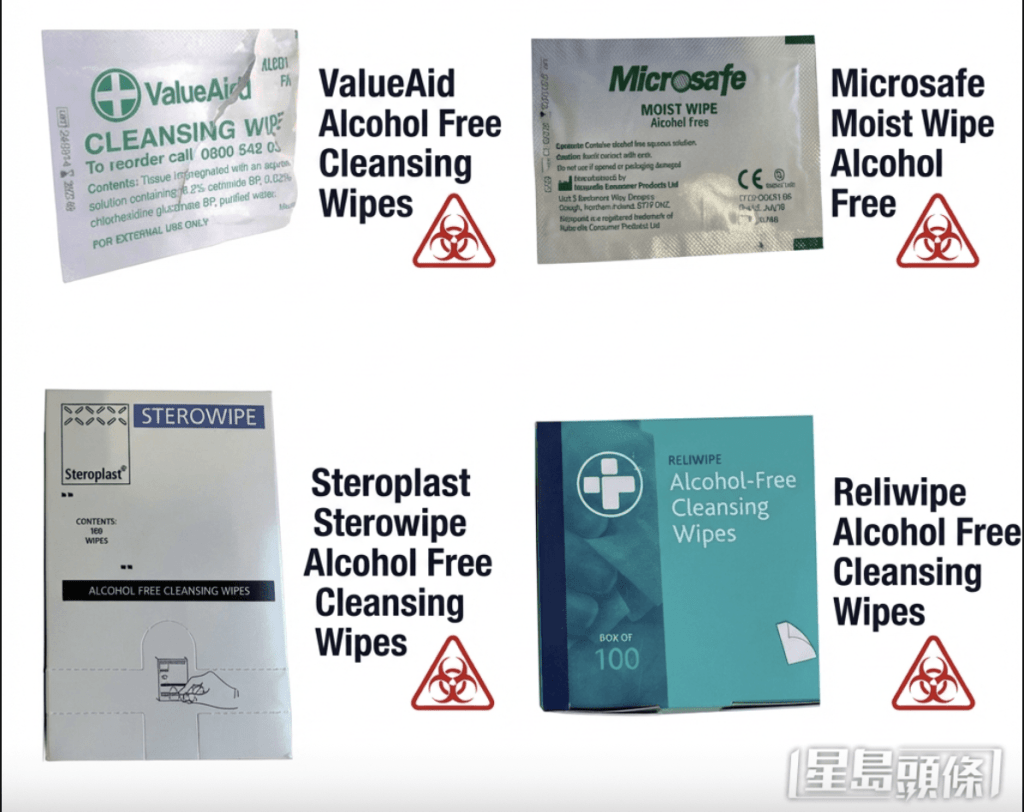
Wet wipes are a common household essential, but a hidden danger has emerged. UK health authorities have issued an urgent warning after four commonly used types of wet wipes tested positive for containing deadly bacteria. The contamination has been linked to 59 confirmed infections, including six deaths. Although the affected products were discontinued in July last year, authorities are urging the public to immediately check their first aid kits and medicine cabinets. If any of the following brands are found, do not use them and dispose of them immediately.
The UK Health Security Agency (UKHSA) and the Medicines and Healthcare products Regulatory Agency (MHRA) jointly issued a warning last month, stating that four types of non-sterile, alcohol-free wet wipes were found to contain Burkholderia stabilis (B. stabilis). According to research published in the Eurosurveillance journal, between June 2018 and February 2026, a total of 59 confirmed infections were recorded in the UK. Five patients died, with one additional suspected death. The UKHSA stated that infection typically occurs through the following routes:
Infection Symptoms:
The UKHSA confirmed that the following four alcohol-free wet wipes tested positive for containing Burkholderia bacteria:
Authorities emphasized that these types of wipes are not intended for first aid use and must absolutely not be used on broken skin or for cleaning intravenous catheters. Testing also revealed that while the Reliwipe brand was contaminated, the strain found was not linked to the outbreak cases.
The affected products were ordered to cease sales in July 2025, with the UKHSA notifying retailers. However, these wipes may still be present in the public's first aid kits or home storage. The UKHSA advises that if you find any of the problematic products, immediately stop using them and dispose of them as general household waste. Do not use them for wound care or cleaning medical equipment.
Authorities stress that these products were not marketed as general-purpose household wipes or baby wipes. When treating wounds or cleaning intravenous catheters, the public should always follow the guidance provided by public healthcare service organizations.
Burkholderia stabilis is a bacterium found in natural environments, such as soil and water. It generally poses little threat to healthy individuals. However, if it enters the body through a wound or medical device, it can cause serious consequences for those with weakened immune systems.
High-risk groups include: