Read More





Japanese cosplayer shares healthy 28kg weight loss journey over 2 years
14-06-2026 12:00 HKT


6 places in your home that easily hide bacteria
12-06-2026 12:00 HKT



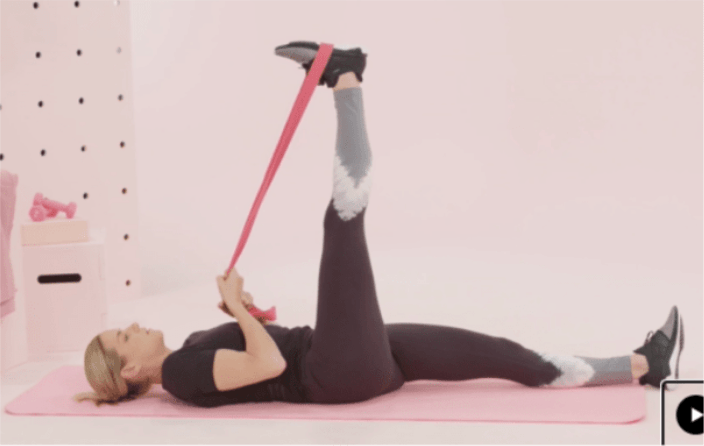
The calves are often one of the most stubborn areas to slim down. Both too little and too much exercise can lead to the development of "cankles" or thick calves. While long, slender legs can visually elongate your proportions and make you appear taller, thick calves can easily make you look heavier—a common frustration for women who love wearing short skirts. A fitness trainer has deconstructed the three main causes of thick calves and introduced targeted exercises for each type to help you achieve slender leg lines.
According to a report in Women's Health, personal trainer Kenta Hayashi explains that the three primary reasons for thick calves are fat accumulation, fluid retention (edema), and muscle tightness. Understanding the characteristics of these three causes can help you find the corresponding solution.
1. Fluid Retention Type (Edema)
This is usually caused by prolonged standing or excessive salt intake. Mild swelling can be relieved through bathing or myofascial release. However, if the subcutaneous tissue hardens, it can lead to persistently thicker calves.
2. Muscle Type
The gastrocnemius and soleus muscles are the two main muscles of the calf, collectively known as the triceps surae. They are the second-largest muscles in the lower limb, following the quadriceps at the front of the thigh. Therefore, having some calf muscle is a sign of health. However, when muscles become tight due to exercise, they can appear bulky. The soleus is an inner muscle particularly prone to hypertrophy (enlargement), while the gastrocnemius, located on the outer side, is more likely to bulk up from explosive movements. Consequently, people who engage in sprinting and jumping are more prone to muscular, tight calves than long-distance runners. That said, it's rare for calves to become overly bulky just from daily life or moderate exercise.
3. Fat Type
Due to lack of exercise or excessive calorie intake, fat accumulation can cause the calves to become rounded and soft overall. The gastrocnemius is the main calf muscle, also used when bending the knee. Large-scale foot movements centered around the hip joint can stimulate the knee, effectively working the gastrocnemius and making it easier to tone.
On the other hand, if you habitually take small steps, using only your ankles and knees for power, the gastrocnemius can't function properly, making it easier for fat to accumulate. Moreover, areas with less muscle tend to store more fat, creating a vicious cycle. So, the first step to slimming calves is to move them as much as possible.
Hayashi notes that even small lifestyle changes can significantly impact the appearance of your calves. Paying attention to your daily walking style and posture, combined with leg-slimming exercises suited to your needs, can lead to slimmer, more toned calves. Here are habits and exercises that build the three different types of thick calves:
1. For Fluid Retention Type (Edema)
2. For Muscle Type
3. For Fat Type