Read More
During spring and summer, insects are active, and many have likely experienced a flying insect flying into their eye. A 60-year-old man in Fujian Province, China, had an insect fly into his eye and instinctively rubbed it. This seemingly ordinary action led to severe corneal ulcers, with his vision dropping to just 0.04, nearly causing blindness. Experts advise that rubbing the eye after a foreign body enters is the most dangerous mistake. What is the correct way to handle it?
ADVERTISEMENT
SCROLL TO CONTINUE WITH CONTENT
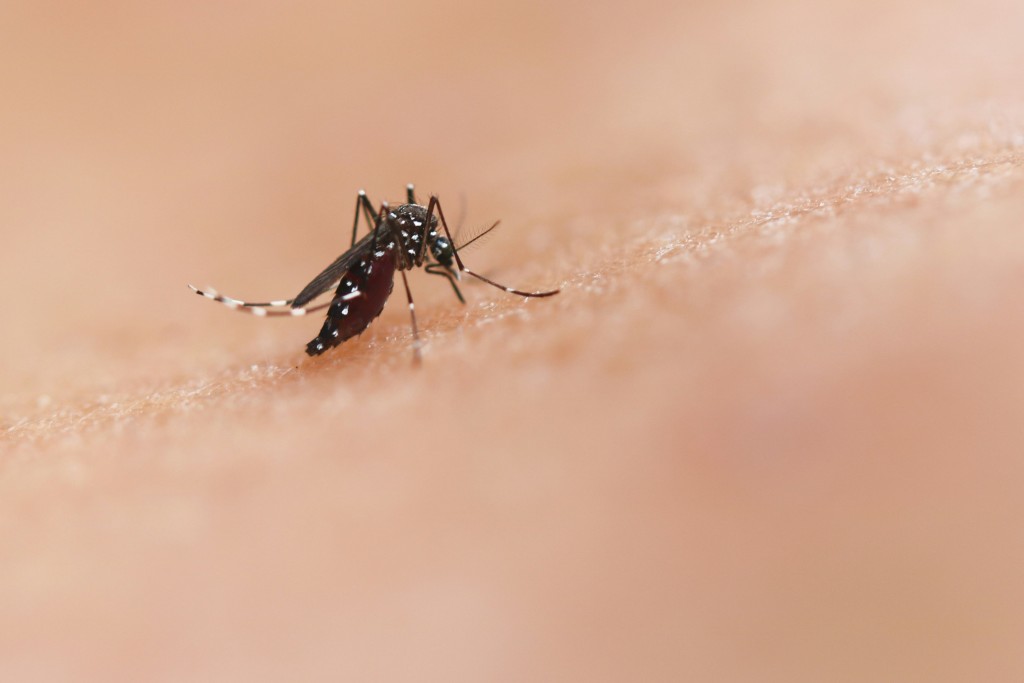
According to mainland Chinese media, 62-year-old Mr. Zhou from Fujian was riding his electric scooter home from work when he encountered many insects along the way. He was not wearing a helmet. A mosquito suddenly flew into his left eye, and he instinctively rubbed it to try to remove the insect. At the time, he felt no obvious discomfort. About 10 days later, his left eye began to experience redness, swelling, pain, blurred vision, accompanied by light sensitivity and tearing. He first received medication at a local hospital, but his condition did not improve; in fact, it worsened.
Upon hospital admission, doctors performed a detailed examination. The results were shocking: Mr. Zhou's right eye vision was 0.6, but his left eye vision was only 0.04 – barely able to see blurry light and shadows. His left eye was visibly red and swollen, with severe congestion and intense inflammation. Combining various tests, he was diagnosed with "left eye fungal corneal ulcer," a type of fungal keratitis, a critical condition.
Insect in Eye: Do Not Rub – Risk of Insect Rupture
Dr. Tsang Hing-jin, Director of Wuhan Aier Eye Hospital Hankou Branch, points out that rubbing the eye after a foreign body enters is the most dangerous mistake. Insects may have sharp appendages that can damage the corneal epithelial barrier. Rubbing not only mechanically scratches the cornea, allowing pathogens carried by the insect (such as fungi and bacteria) to invade the eye, but can also cause the insect body to rupture, releasing toxins, triggering severe inflammation, and worsening the infection.
Correct 3-Step Procedure for an Insect or Foreign Body in the Eye
In spring and early summer, insects are active, and incidents of insects or foreign bodies entering the eye are common. Doctors advise:
- Do not rub: Under no circumstances should you rub your eye with your hands, especially not vigorously.
- Flush or allow natural expulsion: Gently close your eye and let tears naturally flush out the foreign body. Alternatively, use copious amounts of artificial tears or saline solution to rinse the eye.
- Seek medical attention promptly: If the above methods are ineffective, or if symptoms such as eye redness, pain, light sensitivity, or blurred vision appear, immediately visit a professional ophthalmologist for an examination to confirm whether there is residual foreign matter or corneal damage, preventing a minor issue from becoming a severe eye condition.
After about a week of treatment, Mr. Zhou's ocular symptoms significantly eased, his condition gradually stabilized, and his vision slowly recovered. He is expected to be discharged soon. However, this experience has left a lasting impression on him and serves as a warning to the public.
What is Fungal Keratitis?
According to information from Jinan Second People's Hospital (Jinan Eye Hospital), fungal keratitis is an infectious corneal disease caused by pathogenic fungi with a very high blindness rate. Fungal keratitis is clinically difficult to diagnose and easily misdiagnosed, often leading to blindness due to inappropriate treatment.
Common symptoms of fungal keratitis:
- Severe eye pain accompanied by a foreign body sensation
- Light sensitivity (photophobia)
- Tearing
- Severely blurred vision
- Significant discharge, mostly mucous or purulent
Typically, fungi do not invade healthy corneas. However, in cases of ocular trauma, long-term topical antibiotic use, corneal inflammation, or dry eye disease, non-pathogenic fungi may become pathogenic, causing secondary fungal infections of the cornea. Common pathogenic fungi include Aspergillus, Fusarium, Candida albicans, Cephalosporium, and Streptomyces.
The morphology of corneal ulcers varies depending on the pathogenic fungal species. Fungal keratitis is not uncommon. Its incidence is higher during the busy farming seasons of summer and autumn. In terms of age and occupation, it is more common in young adults, the elderly, and farmers.
𝗗𝗼𝘄𝗻𝗹𝗼𝗮𝗱 𝗧𝗵𝗲 𝗦𝘁𝗮𝗻𝗱𝗮𝗿𝗱 𝗔𝗽𝗽 ↓