Microplastic pollution is becoming an increasingly serious problem, even invading the human body. Long-term ingestion can potentially lead to cancer and infertility. A nutritionist has listed 6 high-risk habits, noting that simply brewing a single tea bag can release up to 11.6 billion microplastic particles. What methods can reduce the health risks associated with microplastics?
Family medicine physician Dr. Li Si-yin recently shared on his personal Facebook page that microplastics are not just an environmental pollution issue; in fact, they have already silently invaded our bodies. He compiled multiple international studies and listed the following 6 daily habits that may be releasing astonishing amounts of microplastics:
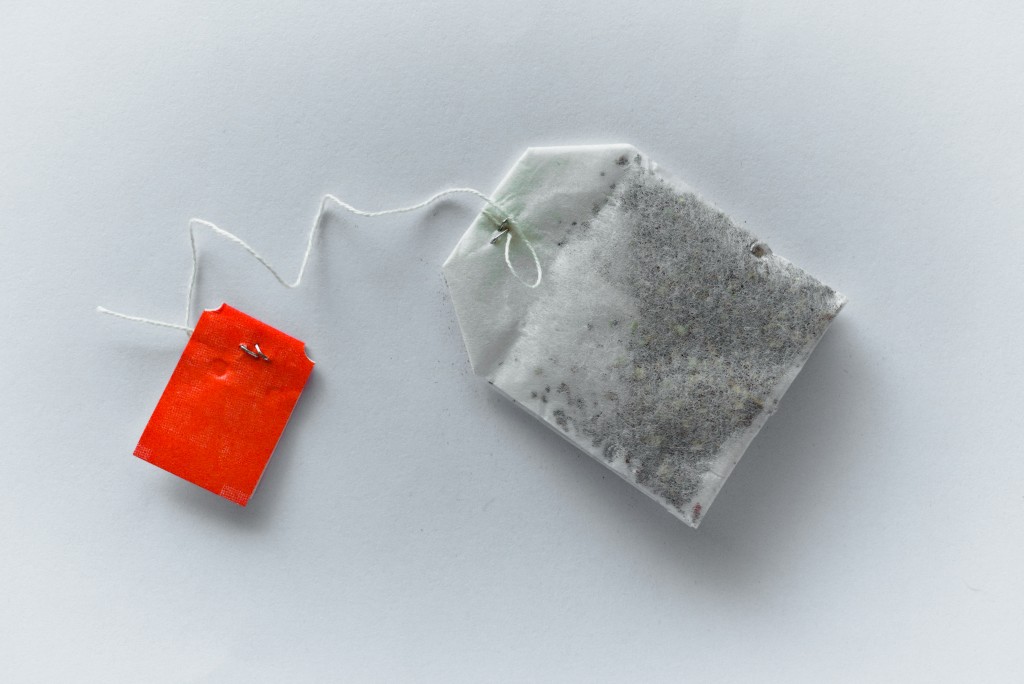
- Brewing a plastic tea bag: Brewing a single cup of tea can release up to 11.6 billion microplastic particles into the cup.
- Microwaving a plastic lunch box: Heating for just 3 minutes releases 4.22 million microplastics per square centimeter, along with up to 2.1 billion nanoplastics. The higher the temperature and longer the heating time, the greater the release.
- One cup of hand-shaken beverage daily: Under hot beverage conditions, each liter contains several thousand to 5,000 microplastic particles. Maintaining this habit for a year could result in ingesting nearly 360,000 microplastics.
- Drinking bottled water: Each liter of bottled water contains 240,000 nanoplastics, three times the amount found in the same volume of tap water.
- Using a plastic cutting board: Each time you cut on a plastic cutting board, approximately 1,114 microplastic particles are released. Over a year, between 14.5 million and 79.4 million microplastics can mix into your food.
- Wearing nylon or polyester clothing: Wearing such clothes for just 20 minutes causes 400 microfibers per gram of fabric to detach into indoor air. The annual脱落 (release) of fibers while wearing is 900 million, three times the amount released from washing machines.
Doctor Teaches 5 Ways to Lower Risk and Reduce Microplastic Intake
Li admits that no one can completely avoid microplastics, but you can definitely minimize your exposure risk by changing your lifestyle habits. He recommends the following 5 daily actions to reduce exposure:
- Switch to cotton tea bags or loose-leaf tea.
- Never put plastic containers in the microwave.
- Use wooden or stainless steel cutting boards for food preparation.
- Choose clothing made from natural fibers such as cotton, linen, or wool.
- Keep your home well-ventilated.
Microplastics/Plasticizers Can Cause Cancer?
According to the Hong Kong Centre for Food Safety (CFS), "microplastics" are tiny pieces of plastic that can pollute the environment and harm marine ecology. They can even enter the food chain and be ingested by humans. The European Food Safety Authority defines microplastics as mixtures of irregularly shaped plastics ranging from 0.1 to 5000 micrometers in size – from as small as some bacteria to as large as a soybean.
Plasticizers (also known as phthalates) are added to hard plastics and other materials to make them more flexible and durable. They are widely used in various industrial and consumer products, primarily in polyvinyl chloride (PVC) products, some of which are used in food contact materials. However, the human body can effectively metabolize and excrete phthalates. Ingesting small amounts of phthalates does not affect health. Nevertheless, a 2014 study by Academia Sinica in Taiwan investigated the relationship between plasticizers and breast cancer. The research team followed 11,923 women for 20 years and confirmed that women who were frequently exposed to plasticizer products had a 90% higher risk of developing breast cancer than the general population.
Sources: Family Medicine Physician Dr. Li Sihsien, Centre for Food Safety (Hong Kong)