Read More
The Hong Kong Observatory predicts that urban temperatures will drop to 16 degrees Celsius tomorrow (13th), 8 degrees lower than today's maximum, with some areas in the New Territories falling to 13 degrees—a significant temperature difference. Don't assume that simply wearing thicker layers keeps you warm. Experts warn that if you neglect three key areas—the head, neck, and feet—your body will still feel cold. A doctor shares the three essential items for cold weather and five dietary secrets to warm you from the inside out, helping residents safely navigate the low temperatures.
ADVERTISEMENT
SCROLL TO CONTINUE WITH CONTENT
More Effective Than a Down Jacket: Doctor's 3 Must-Wear Items for Cold Snaps
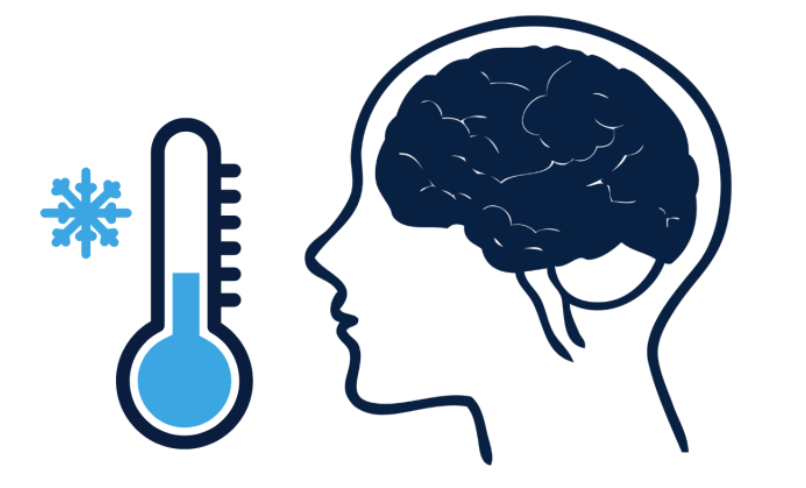
Intensive care physician Dr. Wong Hin explains that the body doesn't just rely on skin to sense temperature; the brain, autonomic nervous system, and blood flow feedback are equally important. The following three areas are critical for staying warm:
1. Head
The head has high blood flow and is close to the brain's temperature regulation center. When the head cools down, the brain can easily misinterpret this as a drop in core body temperature, triggering widespread vasoconstriction (blood vessel narrowing) and rising blood pressure, forcing the heart to work harder. This is one reason why strokes and heart attacks are more common in the early morning during winter.
2. Neck
The neck is a crucial passageway for the carotid arteries, vagus nerve, and sympathetic nerve plexus. Cold exposure to the neck doesn't just affect the local area; it can disrupt the balance of the autonomic nervous system, potentially leading to rapid or irregular heartbeat, blood pressure fluctuations, and symptoms like dizziness, chest tightness, and palpitations.
3. Feet
The feet are farthest from the heart, making blood return more difficult. When the feet get cold, it causes vasoconstriction, further hindering blood return and impairing the body's temperature regulation. To preserve core body temperature, the body may sacrifice circulation to the extremities, leading to a greater feeling of overall coldness, increased blood pressure, and added strain on the heart.
The 3 Essential Items for Cold Snaps: More Effective Than an Extra Layer
Wong emphasizes that the head, neck, and feet are areas dense with blood vessels and close to major nerves or control centers. When they get cold, the signals sent are amplified. Wearing a hat, scarf, and socks is often more effective than simply adding another layer of clothing because these three accessories directly stabilize nerve function and blood flow:
- Hat: Prevents the brain from mistakenly perceiving that the body is in a cold environment.
- Scarf: Reduces cold stimulation of the autonomic nervous system.
- Socks: Improves peripheral blood circulation, reducing the body's need for systemic vasoconstriction.
He specifically reminds high-risk groups—such as those with high blood pressure, heart disease, a history of stroke, diabetes, and the elderly—to pay extra attention to warming these three areas. Cold stress significantly increases the risk of cardiovascular events. Staying warm isn't just about comfort; it directly impacts blood pressure, heart rate, vascular tone, and blood viscosity. The goal is to reduce the risk of acute episodes and stabilize blood flow and neurological function.
5 Diet Tips to Warm Up: Protein and Stabilizing Blood Sugar Are Key
Truly effective warming foods aren't about the momentary heat sensation upon eating, but about enabling the body to generate heat steadily and sustainably. Wong outlines five dietary strategies:
1. Ensure Adequate Protein at Every Meal
The digestion and metabolism of protein produce a high "thermic effect of food," meaning that consuming protein itself promotes heat production. Choose options like eggs, tofu, dried tofu, fish, chicken, lean meat, unsweetened soy milk, and warm milk. The key is to consume protein steadily and regularly in small amounts, rather than in one large bolus.
2. Consume Slow-Release Energy Starches
Feeling cold is often linked to unstable energy supply. Starches that help with warmth are those digested slowly, stabilizing blood sugar and preventing fluctuating sensations of hot and cold. Recommended choices include brown rice, oats, sweet potatoes, pumpkins, taros, and lotus roots. Avoid desserts, refined white bread, and sugary hot drinks.
3. Choose Warming Spices Without the Heat
Small amounts of ginger, scallions, garlic, and a touch of cinnamon work very differently from chili peppers. These spices gently promote blood circulation without causing excessive sweating or overstimulating pain nerves. Try steeping ginger slices in hot water or drinking unsweetened, moderately concentrated ginger tea for a lasting and stable warming effect.
4. Pay Attention to Food Temperature and Composition
Foods effective for warming up typically have three characteristics: hot soup maintains stable temperature, solid components slow down digestion, and rich protein ensures sustained heat production. Examples include vegetable soup with tofu and rice, de-greased chicken soup with root vegetables, or miso soup with fish and brown rice. Plain hot coffee, spicy soup, or sweet soup cannot provide the same effective cold protection.
5. Eat at the Right Times for Better Warmth
Eating breakfast too late can slow down your metabolic rate during the day, while eating too little dinner can cause your body temperature to drop during the night. Prolonged fasting puts the body into energy-saving mode, reducing its ability to produce heat. It's recommended to eat breakfast within 1-2 hours of waking up. Don't just eat vegetables for dinner. If you feel hungry before bed, it's not a test of willpower—it's a signal that your body needs energy.