Breast cancer ranks as the most common cancer among women in Hong Kong, with nearly 5,200 new cases diagnosed annually and over 800 deaths, making it the third deadliest cancer. While regular screening is crucial, a registered dietitian has highlighted 12 evidence-based foods that can help build a strong defense against breast cancer. Surprisingly, one humble green vegetable—spinach—is linked to reducing cancer risk by up to 28%.
According to dietitian Cheng Han-yu's Facebook post, backed by scientific research, incorporating these 12 foods into your diet can help maintain your body's protective powers against breast cancer:
1. Green Vegetables
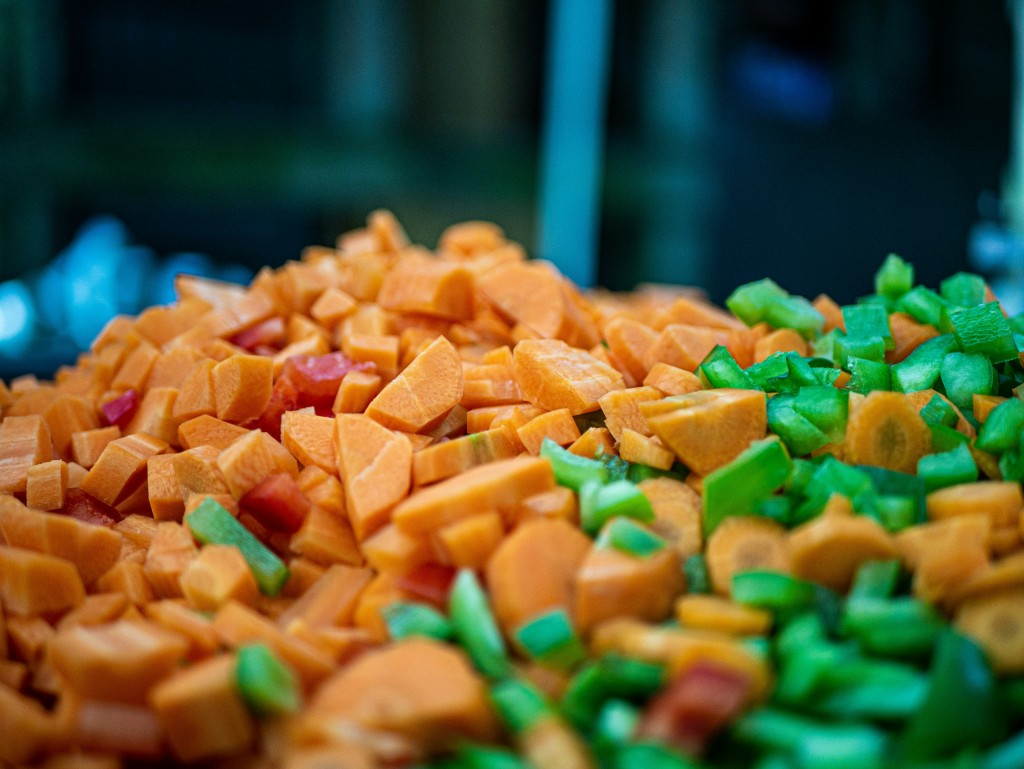
Rich in carotenoids, vegetables like spinach and sweet potato leaves offer powerful antioxidant benefits. Studies have shown that women with higher carotenoid intake may reduce their risk of developing breast cancer by 18% to 28%, while also potentially lowering the chance of recurrence.
2. Cruciferous Vegetables
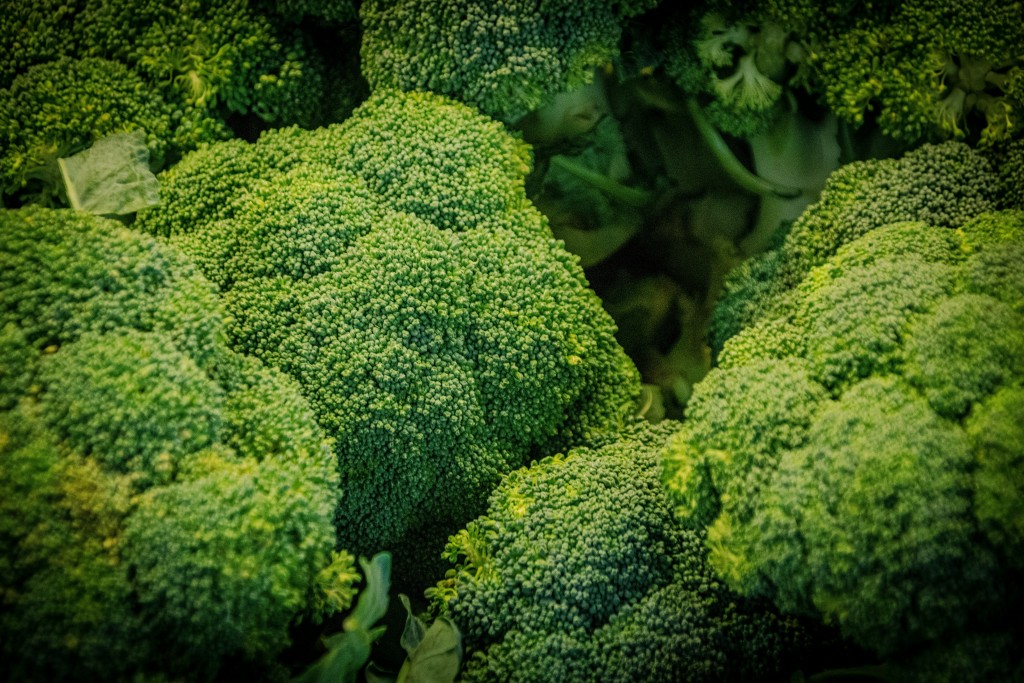
Broccoli, cauliflower, and other cruciferous vegetables are packed with sulforaphane. This nutrient helps balance estrogen levels in the body, thereby reducing the risk of breast cancer development.
3. Garlic and Onions
The sulfur compounds found in allium vegetables like garlic and onions can effectively lower breast cancer risk. For maximum benefit, chop them finely before cooking to help release more of their cancer-fighting compounds.
4. Citrus Fruits
Oranges and grapefruits contain flavonoids, which have antioxidant and anti-inflammatory properties. Research suggests that regular consumption of citrus fruits may reduce the risk of breast cancer by about 10%.
5. Berries
Choose blueberries and raspberries, which are rich in anthocyanins and flavonoids. These powerful antioxidants help prevent cell damage and effectively inhibit cancer cell growth and spread.
6. Fruits
Peaches, apples, pears, and grapes are also excellent choices, containing high levels of polyphenols, flavonoids, and other antioxidant substances that support breast cancer prevention.
7. Fish
Fatty fish like salmon and mackerel are rich in omega-3 fatty acids, which have potent anti-inflammatory properties. These healthy fats not only help prevent breast cancer but also protect against cardiovascular disease.
8. Fermented Foods
Unsweetened yogurt, miso, and other fermented foods contain beneficial probiotics that effectively enhance immune system function, potentially lowering the risk of breast cancer.
9. Legumes
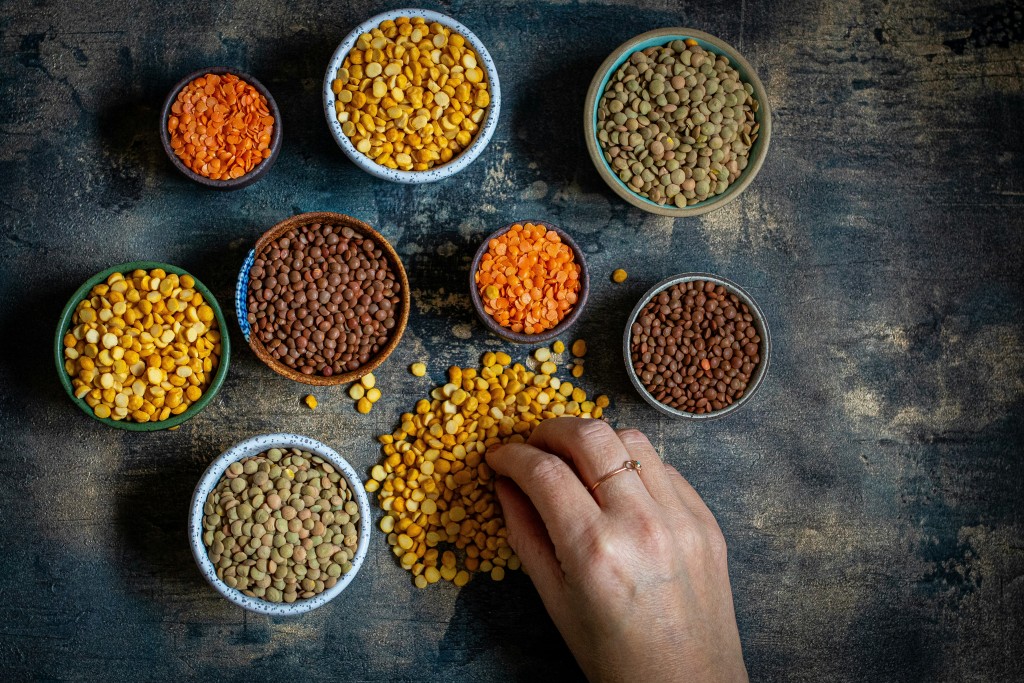
Beans and legumes are excellent sources of dietary fiber, vitamins, and minerals. Consider adding edamame and soybeans to your meals. Research has found that regular legume consumption may reduce breast cancer risk by approximately 20%, largely attributed to their high fiber content.
10. Spices
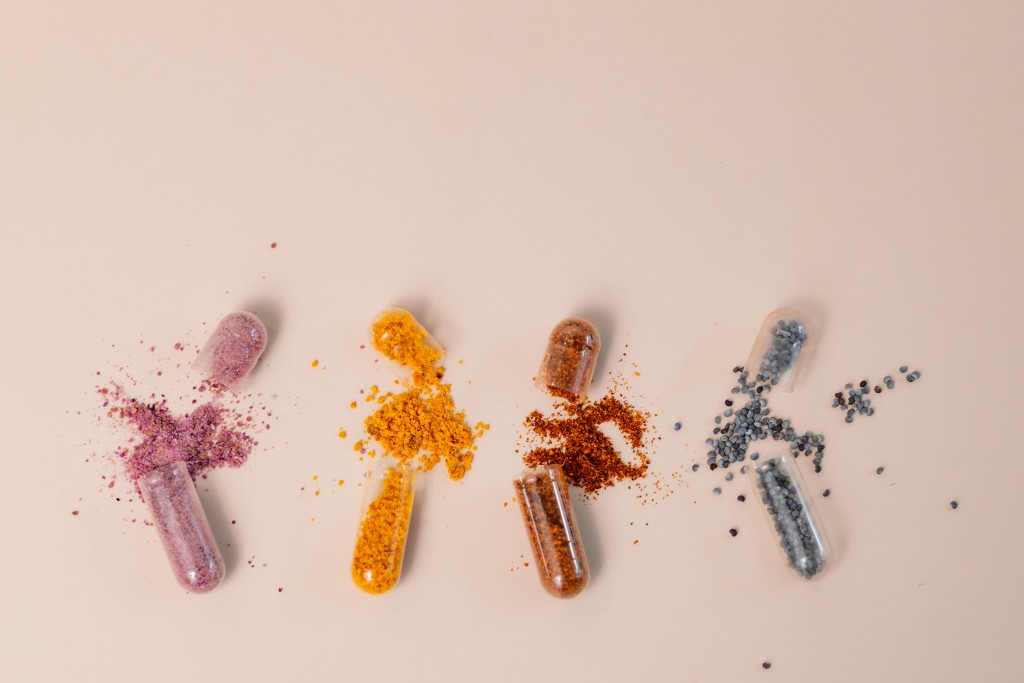
Natural spices like oregano and turmeric are rich in polyphenols, which combat cancer through their powerful antioxidant effects.
11. Whole Grains
Unrefined whole grains such as brown rice and quinoa retain their full complement of vitamins, minerals, and dietary fiber. Beyond reducing breast cancer risk, they also help protect against colorectal, stomach, and esophageal cancers.
12. Nuts
Nuts like walnuts and almonds contain alpha-linolenic acid, which helps breast cells resist cancerous changes and inhibits the growth of cancer cells.
What Are the Symptoms of Breast Cancer? Who Is Most at Risk?
According to Hong Kong's Hospital Authority, breast cancer develops when breast cells divide and grow uncontrollably, forming a tumor. Tumors can be either benign or malignant, and malignant tumors in the breast constitute breast cancer. When breast cancer develops, changes may appear in the breast, nipple, or underarm area.
7 Common Symptoms of Breast Cancer
- Breast: A lump of any size, change in breast shape or size, dimpling of the skin (resembling an orange peel), or visible vein enlargement
- Nipple: Spontaneous discharge, bleeding, or inversion
- Underarm: Swelling or enlarged lymph nodes
The Hospital Authority notes that noticeable breast tenderness or lumps before menstruation are normal physiological responses related to cyclical hormonal changes and should not cause undue concern.
Risk Factors for Breast Cancer
- Gender: Breast cancer primarily affects women, though men can also develop it
- Age: Risk increases with advancing age
- Genetics: Women with affected mother, sisters, or other close relatives have higher risk; research suggests 5-10% of cases may be hereditary
- Menstrual History: Early menstruation (before age 12) or late menopause (after age 55)
- Diet: Long-term consumption of high animal fat foods
- Lifestyle: Smoking, heavy alcohol consumption, physical inactivity
- Reproductive History: Never having given birth, or first birth after age 35
- Medication: Long-term use of oral contraceptives or hormone replacement therapy for over 5 years
- Personal Cancer History: Previous diagnosis of certain cancers such as Hodgkin's lymphoma, lung adenocarcinoma, colorectal cancer, or childhood cancer increases breast cancer risk