Many people wonder why their blood pressure still rises year after year even though their weight hasn't changed, they watch their diet, and they exercise. A new study points out that the key culprit behind high blood pressure is "long-term sympathetic nerve excitement," and identifies three types of people who are particularly susceptible. Check out the 4 early warning signs to assess your blood pressure risk now!
Three Body Types Particularly Prone to High Blood Pressure
Physician specializing in genetics and eugenics, Dr. Cheung Ka-ming, analyzed in a post on his personal page that a 2026 study published in Hypertension Research revealed that the culprit behind rising blood pressure is the "sympathetic nervous system remaining in a state of excitement for long periods." Cheung explains that while emotional stress plays a role, the underlying key is the accumulation of "physical stress." Therefore, three specific body types are particularly prone to high blood pressure:
- People with Naturally Stronger Vasoconstriction: In these individuals, the body's "vasoconstriction system" is inherently more sensitive. When faced with stress or stimulation, their blood vessels tend to tighten easily, causing blood pressure to rise.
- People with Chronic Inflammation: If the body is in a prolonged state of low-grade inflammation – due to poor lifestyle habits, high stress, or insufficient rest – the area of the brain responsible for regulating blood pressure becomes unstable, making blood pressure naturally prone to elevation.
- People with Metabolic Stress: For example, individuals with insulin resistance, a large belly, high body fat, or decreased cellular energy metabolism efficiency. Their bodies are constantly in a "stress mode," keeping the baseline sympathetic nervous system persistently active, leading to a gradual increase in blood pressure.
4 Early Warning Signs to Self-Assess Blood Pressure Risk
Cheung states that when the sympathetic nervous system is chronically excited, the body exhibits knock-on effects, including increased heart rate, enhanced cardiac contractility, and increased overall cardiac output; vasoconstriction and increased peripheral vascular resistance; and the kidneys receiving more sympathetic signals, promoting renin secretion and sodium retention. Here are 4 early warning signs to self-assess your blood pressure risk:
- Persistently High Resting Heart Rate Upon Waking in the Morning: Indicates higher baseline sympathetic tone.
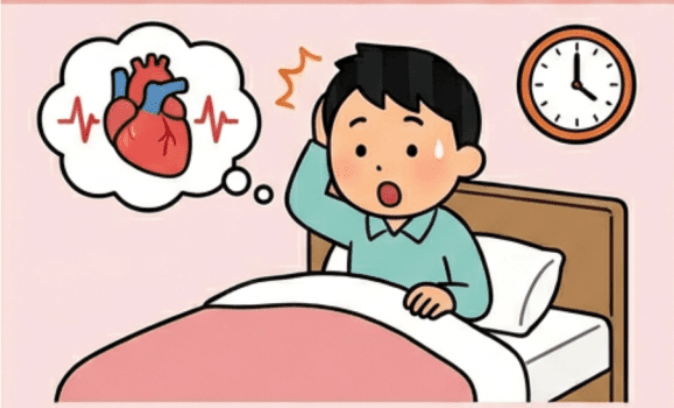
- Blood Pressure Prone to Spikes in the Morning: Related to central circadian rhythm regulation.
- Particular Sensitivity to Cold: Studies confirm that cold environments continuously increase renal sympathetic nerve activity. Some people experience blood pressure fluctuations when the weather is cold.
- Slow Recovery After Stress: Heart rate doesn't decrease quickly enough; sleep becomes lighter and easily disturbed – reflecting reduced autonomic nervous system flexibility.
He suggests following these 4 tips in daily life to help the body stabilize blood pressure:
- Prioritize Keeping Warm: Pay attention to staying warm in winter and avoid prolonged exposure to cold environments.
- Regular Exercise: Brisk walking or jogging, through rhythmic body movement, can influence brainstem regulation.
- Dietary Adjustments: A diverse range of plant-based foods and adequate dietary fiber helps gut bacteria produce acetate, which in turn modulates central nervous system inflammation. Stabilizing blood sugar, improving insulin resistance, and reducing visceral fat often help stabilize blood pressure.
- Good Sleep: Nighttime is when the parasympathetic nervous system takes over. Chronic poor sleep makes it difficult for the autonomic nervous system to truly recalibrate.
Expert Profile:
Dr. Cheung Ka-ming is an attending physician in the Department of Genetics and Eugenics, Department of Obstetrics and Gynecology, Taipei Veterans General Hospital. His expertise includes genomic medicine, prenatal genetic diagnosis, and genetic testing.