Nutritionist Li-Cen Lin wrote on her Facebook page that in the nutrition world, millet is often hailed as the "King of Grains." This is not only due to its long history but also because of its outstanding nutritional density among cereals. Compared to polished white rice, millet retains its complete germ and bran, making it an excellent source of whole grains. It can also bring the following benefits to the body:
Nutrition Content of Millet
- Rich in B Vitamins: It is particularly abundant in vitamins B1 and B2, with higher levels than rice and wheat. This helps maintain normal energy metabolism and protects nervous system health.
- Diverse Minerals: It is rich in magnesium, potassium, and phosphorus. Magnesium helps relax muscles and maintain cardiovascular health; potassium promotes the excretion of excess fluid in the body, helping to stabilize blood pressure.
- High-Quality Dietary Fiber: Millet has a moderate fiber content with a relatively soft structure. Compared to other coarse grains, it puts less burden on the gastrointestinal tract while effectively promoting intestinal peristalsis.
- Natural Antioxidants: Millet's golden-yellow color comes from carotenoids, such as lutein, which helps protect eye health and eliminate free radicals in the body.
Health Benefits of Millet
- Gently Protects the Stomach and Promotes Digestion: Millet is mild in nature and gluten-free. For individuals with gluten allergies or weak digestive systems, such as the elderly, children, or patients recovering from surgery, it is the preferred choice for reducing intestinal stress and replenishing energy.
- Stabilizes Blood Sugar: Although millet contains carbohydrates, its glycemic index is typically lower than that of white rice due to its high dietary fiber content and complex starch structure. Consuming it in moderation, along with vegetables and protein foods, helps keep blood sugar stable and avoids sharp post-meal spikes.
- Regulates Nerves and Relieves Stress: Compared to other grains, millet contains a higher proportion of tryptophan. Tryptophan is a precursor to serotonin, which helps relax the mind, reduce anxiety, and aid sleep at night, playing a beneficial role in improving sleep quality.
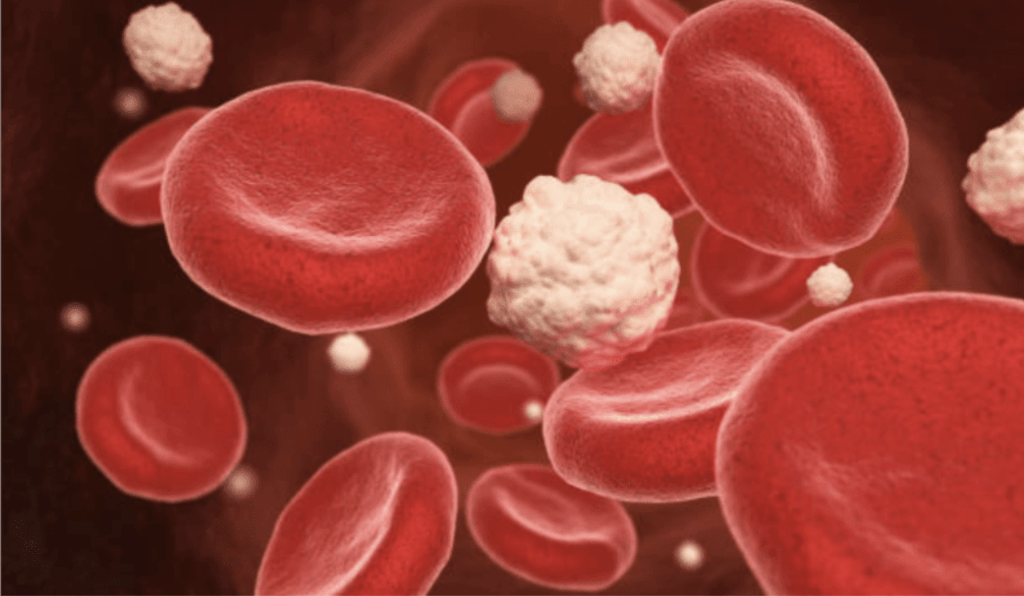
- Prevents Iron-Deficiency Anemia: Although the absorption rate of plant-based iron is not as high as that from animal sources, millet's iron content ranks among the highest in grains. For vegetarians, it is an important source of daily iron supplementation.
What Foods Can Be Added to Millet to Supplement Protein?
Lin states that although millet is nutritious, it lacks the essential amino acid lysine. To improve protein utilization, she recommends adding the following two types of food when cooking millet porridge to ensure a more complete range of amino acids:
- Legumes (such as mung beans, soybeans)
- Meat