Read More
Dealing with frequent constipation? Besides eating green bananas, what else can help? An expert recommends 7 key foods that can improve and prevent constipation, including a common kitchen spice known for its anti-inflammatory and gas-relieving properties.
ADVERTISEMENT
SCROLL TO CONTINUE WITH CONTENT
Gut health expert Avery Zenker, speaking to Real Simple, explains that chronic constipation or irregular bowel movements can increase the risk of gastrointestinal issues, severely impacting overall health. Since bowel movements are crucial for eliminating waste from the body, dysfunction can affect toxin removal and hormonal balance. Foods that best support digestion are typically easy to digest and rich in dietary fiber. For instance, insoluble fiber (found in whole grains and vegetables) adds bulk to stool, helping it pass faster; soluble fiber (found in oats, legumes, fruits) absorbs water, softening the stool. Here are 7 foods Zenker recommends to promote regularity and improve gut health:
1. Oats
Oats and oatmeal are rich in soluble fiber, which effectively softens stool and promotes regular bowel movements. Their slower digestion rate also enhances nutrient absorption. Additionally, oats have prebiotic properties, nourishing beneficial gut bacteria and maintaining a healthy microbial balance. Regular consumption can help reduce bloating, improve stool consistency, and enhance overall digestive comfort.
2. Ginger
Ginger possesses anti-inflammatory properties that help maintain a balanced gut microbiome and promote gastrointestinal motility. It also aids in the timely elimination of waste, helping to prevent constipation, bloating, and gas.
3. Cooked Vegetables
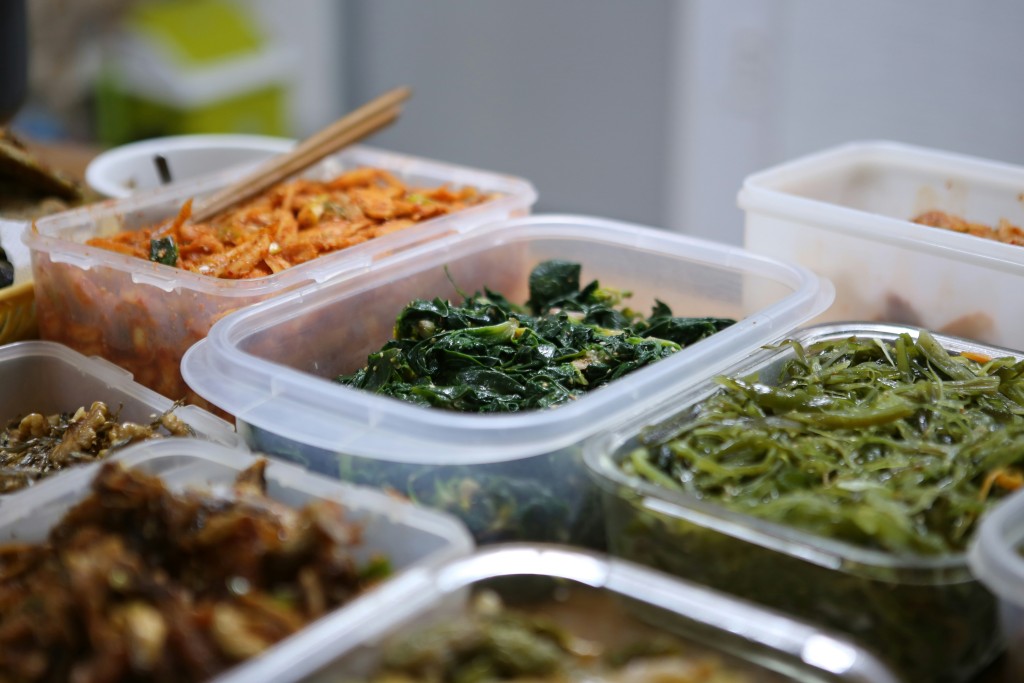
Cooked vegetables are easier for the body to digest and absorb compared to raw ones. Cooking reduces the energy required for digestion while still retaining dietary fiber and essential nutrients.
4. Kiwi Fruit
Kiwis are not only high in dietary fiber but also contain an enzyme called actinidin, which helps break down proteins, thereby aiding digestion. Kiwis are also rich in potassium, an essential mineral that promotes regular digestive tract motility, supporting normal bowel function. Studies have found that regular kiwi consumption can improve stool frequency and consistency, especially beneficial for those with poor gastrointestinal function.
5. Pumpkin Seeds
Pumpkin seeds are an excellent source of fiber and are also rich in magnesium, which promotes regular digestive tract motility. They also contain iron and zinc, crucial for stomach acid production—a key factor in breaking down food before it enters the intestines for further digestion and elimination.
6. Unripe (Green) Bananas
Unripe bananas contain resistant starch, a type of carbohydrate fermented by gut microbes in the large intestine. This fermentation process helps regulate the gut microbiome, promoting the growth of beneficial bacteria, reducing inflammation, maintaining the integrity of the intestinal lining, and aiding regular bowel movements.
7. Cooled Potatoes and Grains
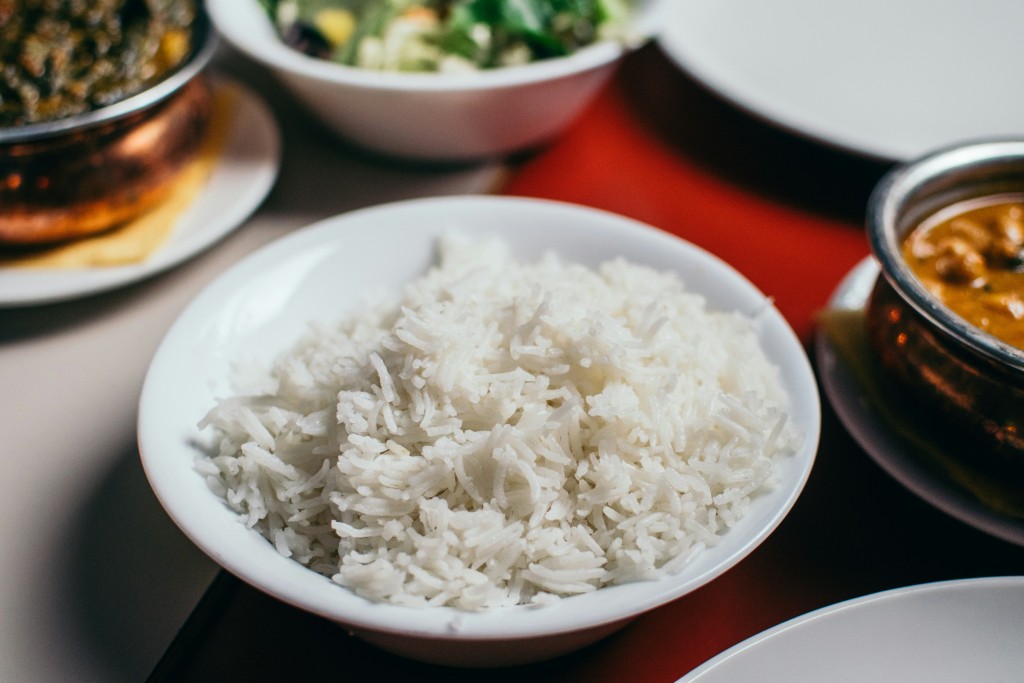
Potatoes and grains that have been cooked and then cooled develop higher levels of resistant starch. This characteristic is not completely eliminated even upon reheating, so consuming reheated leftovers can still provide these benefits.
What is Constipation? Causes and Prevention
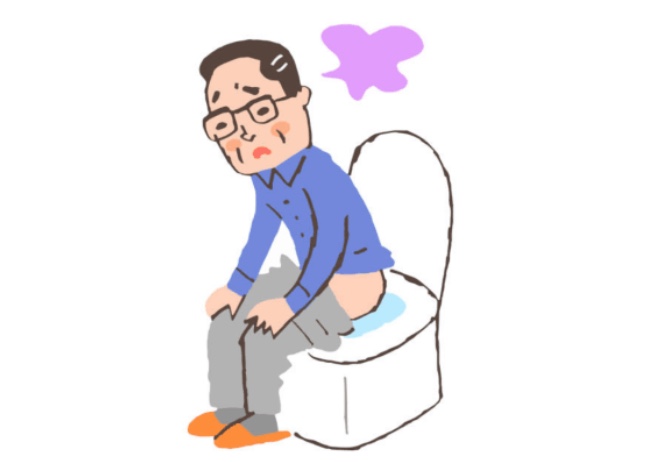
Constipation is a common intestinal issue in Hong Kong. The Department of Health reports an adult prevalence rate of 14.3% , meaning about 1 in 7 people suffers from it. Constipation typically refers to a change in bowel habits, including infrequent bowel movements (fewer than 3 times per week), hard or small stools, and difficulty passing stool.
The Department advises seeking medical attention if constipation:
- Has appeared recently
- Is severe or painful
- Persists for 3 weeks or longer
- Involves blood in the stool
To prevent constipation, the Department recommends:
- Eating high-fiber foods daily: 3-4 servings (about 6-8 taels) or more of vegetables, and 2-3 servings of fruit.
- Choosing high-fiber grains like whole wheat bread, oatmeal, and brown rice (diabetics should consult a doctor or dietitian first).
- Consuming adequate fluids, such as water, clear soup, and juice.
- Engaging in daily moderate exercise to aid intestinal motility.
- Maintaining a regular eating schedule and cultivating a habit of regular bowel movements, e.g., drinking water upon waking to stimulate the urge, or using the toilet after breakfast.