Celebrating the New Year often involves the traditional ritual of drinking to enhance the festivities. A dietitian has revealed the calorie content of 15 popular alcoholic drinks, and surprisingly, one creamy liqueur packs even more calories than Kaoliang liquor (sorghum spirit). If you want to drink without harming your body, she also shares 3 essential steps to take before, during, and after drinking to help prevent hangovers and protect your liver.
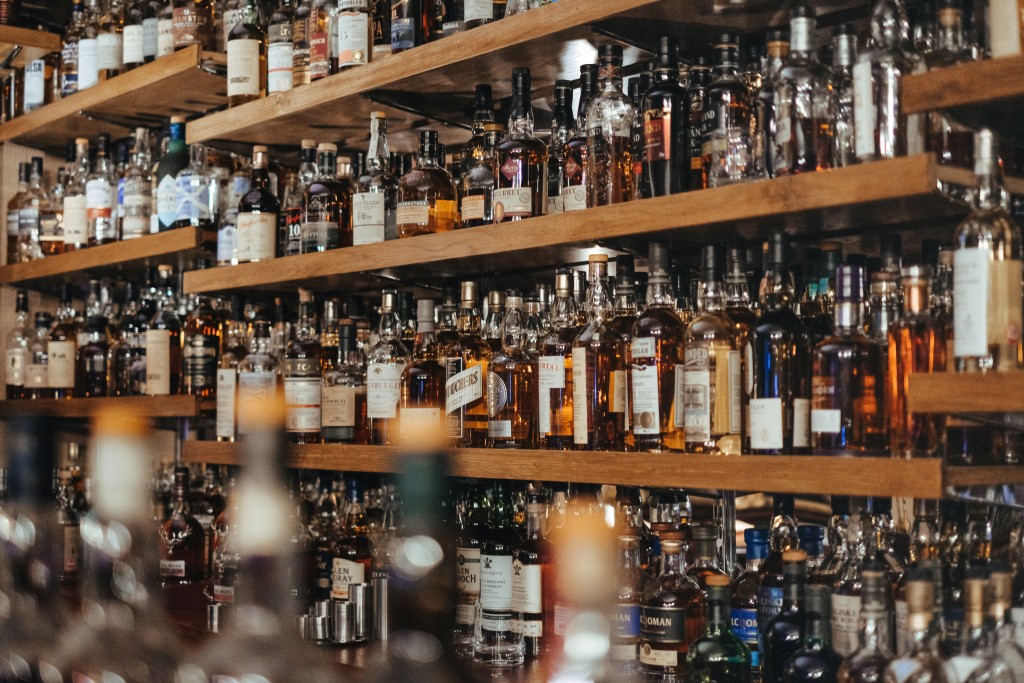
Dietitian Ko Man-man shared on her Facebook page that many people mistakenly think alcohol is "just a liquid," but in reality, it's very high in calories. It not only easily leads to intoxication but also contributes to belly fat. She listed the calorie ranking of 15 types of alcohol for reference:
(Calories calculated per 100ml)
- Baileys Irish Cream (17% ABV): 326 kcal
- Kaoliang Liquor (58% ABV): 324.8 kcal
- Moutai (54.5% ABV): 305.6 kcal
- Gin (37.9% ABV): 263 kcal
- Vodka (33.4% ABV): 231 kcal
- Brandy (41% ABV): 229.6 kcal
- Whiskey (41% ABV): 229.6 kcal
- Rum (40% ABV): 224 kcal
- Korean Soju (22% ABV): 150 kcal
- Sake (16.1% ABV): 134 kcal
- Lychee Liqueur (14.5% ABV): 119.2 kcal
- Red Wine (10.6% ABV): 85 kcal
- White Wine (10.3% ABV): 82 kcal
- Dark Beer (5% ABV): 45 kcal
- Taiwan Beer (3.5% ABV): 34.3 kcal
She explains that one "alcohol equivalent" equals 15g of alcohol, providing about 105 kcal. It is recommended that women consume less than 1 alcohol equivalent per day, and men less than 2 equivalents per day.
3 Steps Before, During, and After Drinking to Prevent Hangovers and Protect the Liver
Ko reminds us that drinking isn't just about willpower. You need to know the dietary strategies for before, during, and after drinking to stay sober, prevent hangovers, and protect your liver.
1. Before Drinking
- Never drink on an empty stomach: Alcohol is absorbed faster on an empty stomach, making you more prone to intoxication and increasing the likelihood of a hangover.
- Consume high-quality protein: Eat foods rich in quality protein like eggs, soy milk, tofu, chicken, milk, or fish. This helps protect the stomach lining and slow down alcohol absorption.
- Take in good fats: These can form a protective layer in the stomach, further slowing alcohol absorption. Good sources include vegetable oils, salmon, nuts, and avocados. The magnesium and potassium in nuts, and the folate in avocados, can also help alleviate the anxiety and fatigue associated with hangovers.
2. During Drinking
- Drink plenty of water: This helps speed up alcohol metabolism.
- Supplement with Vitamin B complex: It maintains metabolic function, enhances the liver's efficiency in metabolizing alcohol, reduces the burden on the liver, and can also help keep you alert.
- Consume Zinc: Zinc helps increase the activity of ethanol dehydrogenase in the body, an enzyme that helps break down alcohol, protecting the liver and reducing the impact of alcohol. Get it from foods like nuts, eggs, and whole grains.
- Eat antioxidant-rich foods: Foods like sweet potatoes, citrus fruits, strawberries, green tea, and fresh vegetables help reduce oxidative damage caused by alcohol, aiding liver metabolism and fighting inflammation.
3. After Drinking
- Continue to hydrate: This helps flush acetaldehyde (a toxic byproduct of alcohol metabolism) out of the body, relieving hangover symptoms and cleansing the esophagus and stomach.
- Consume Vitamin B complex: As mentioned, this is key for metabolism and liver function, and can help with hangover recovery.
- Replenish electrolytes: Alcohol is a diuretic, leading to fluid loss and depletion of potassium and sodium ions. This causes dehydration and electrolyte imbalance. Consider sports drinks, coconut water, or bananas. Bananas not only replenish electrolytes but also provide sugar to improve post-alcohol low blood sugar.