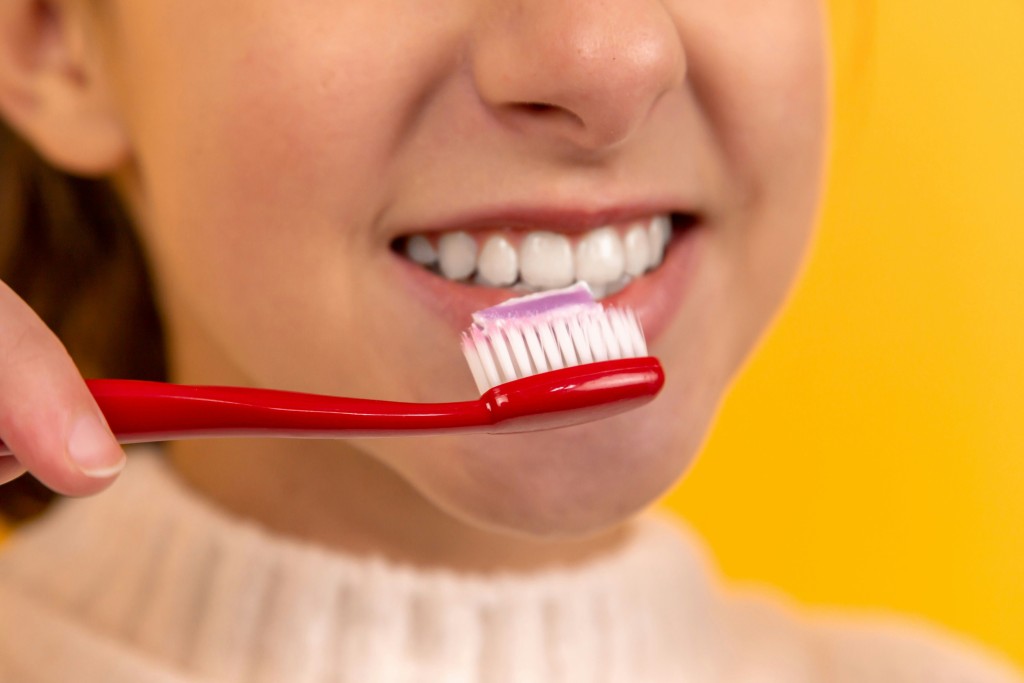
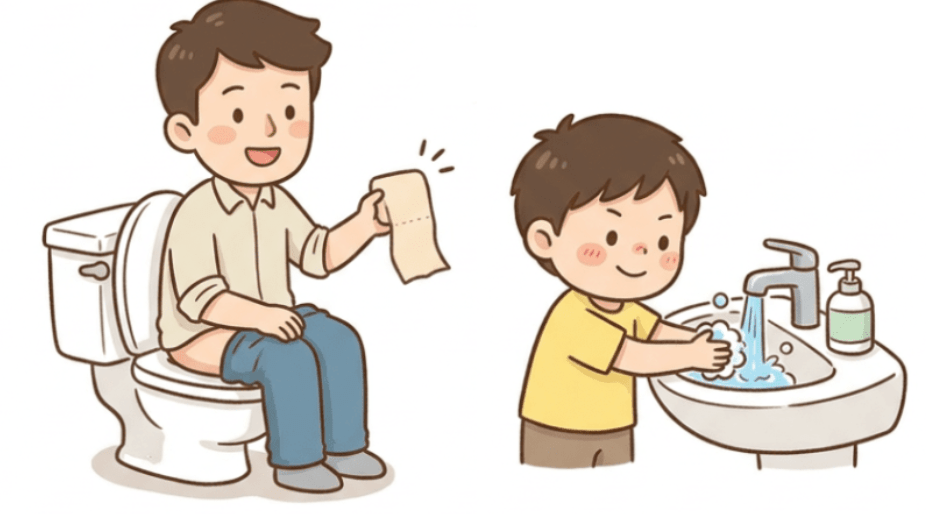
The toothbrush you put in your mouth every day could be dirtier than a toilet brush. A dental expert points out that the bristles of a toothbrush can harbor up to 100 billion bacteria per gram of dental plaque, a density similar to that of feces. If stored improperly, it can become a vector for transmitting diseases. So, what's the most hygienic way to store it?
Bathroom Humidity is a Breeding Ground for Bacteria
Many people habitually keep their toothbrushes in a cup on the bathroom counter, but this is actually a favorite environment for bacteria. Dentist Dr. Hidemiyo Miyamoto explains that after a shower, when mirrors fog up, it means warm, humid air has filled the entire space. Tiny condensation droplets form at the base of the toothbrush bristles, allowing bacteria to multiply rapidly. While viruses do not multiply on toothbrushes, a humid environment prolongs their survival time.
The greatest enemy of bacteria and viruses is "dryness." As a toothbrush dries completely, microorganisms are more likely to die. To prevent toothbrushes from becoming a source of infection, Miyamoto recommends 3 tips:
- Thoroughly Rinse: Rinse the bristle base carefully under running water to remove food debris.
- Shake Off Water: Gently flick the bristles with your finger, or use a clean towel or tissue to gently press and absorb moisture. This can significantly shorten the survival time of bacteria.
- Dry Flat: Store the toothbrush flat with the bristles facing down. This prevents water from pooling at the bristle base, allowing for the fastest drying. If stored upright, water flows toward the handle side, easily promoting bacterial growth.
Additionally, after showering, run the exhaust fan for 2 to 4 hours, or open windows and doors to create ventilation, keeping the sink area dry for 2 to 3 hours.
Toothbrush Harbors Billions of Bacteria: Density Comparable to Feces
Miyamoto notes that the oral cavity is home to approximately 700 types of bacteria, including periodontal disease bacteria, halitosis bacteria, E. coli, and pneumonia bacteria. The bacterial density in dental plaque—the film that adheres to tooth surfaces—is almost the same as that of feces: 100 billion bacteria per gram.
A toothbrush typically has between 1,200 and 4,200 bristles, usually made of nylon or saturated polyester. Miyamoto states, "In other words, if used improperly, a toothbrush can literally become like a 'toilet brush'." If the user is ill, viruses can also attach to the dental plaque. If the toothbrush then contacts those of family members, cross-infection can occur, increasing the risk of influenza or the common cold.
Replace Monthly and Change After Illness
Miyamoto recommends replacing a toothbrush monthly under normal circumstances. If you have just recovered from an illness like the flu or a cold, replace your toothbrush immediately to avoid reinfection. Also, during illness, it's best not to store your toothbrush in the same space as those of your family members to prevent cross-infection.
In summary, the toothbrush that protects your dental health every day can have its bacterial and viral risks effectively reduced with a little extra care in storage—rinse thoroughly, shake off excess water, and store it flat with bristles down—thus protecting both yourself and your family.