A single mother in Hong Kong was diagnosed with breast cancer shortly after her son was born. Just as she was fighting the disease with all her strength, fate dealt another heavy blow – her young son was diagnosed with Attention Deficit Hyperactivity Disorder (ADHD). Struggling to care for her child while covering her own mounting medical expenses, she has exhausted her savings. Desperate for a lifeline, she has turned to the Cancer Information Network to appeal to the public, tearfully hoping for a chance to extend her life. Her only wish: "I just want to walk a little further with my son."
In a post on Instagram, the Cancer Information Network shared the story of CoCo, a Hong Kong mother who welcomed a son in 2010. However, before her son turned two, CoCo was diagnosed with breast cancer – a devastating blow. Watching her son learn to speak, she told herself she could not fall, that she had to watch him grow up.
To survive, CoCo made the difficult decision to undergo a full mastectomy and gritted her teeth through rounds of chemotherapy. The vomiting, the hair loss, the nights too painful to sleep – every moment was agony. But whenever she thought of her son, she told herself, "Get through this, and I will see the light of dawn."
But fate's trials kept coming. While battling her illness, her marriage came to an end, making her treatment journey even more solitary. CoCo had no choice but to shoulder everything alone, using her frail shoulders to hold up the sky for her son. Then came another blow: her son was assessed and diagnosed with ADHD, requiring special care and training. While fighting cancer, she also had to take her son to multiple doctors and therapy sessions, exhausting herself emotionally and physically – all for the hope that her child could grow up healthy.
Years of treatment have drained every last bit of CoCo's savings. She now relies on the Comprehensive Social Security Assistance (CSSA) scheme to maintain the most basic standard of living. Recently, her doctor informed her that her cancer has metastasized (spread). He recommended a self-funded hormonal therapy drug that could effectively control the disease and extend her life – but each injection costs HKD $4,000 (approximately USD $515). For a single mother with cancer living on CSSA, this amount is impossibly out of reach.
She does not dare to hope for too much. She only wants a little more time to walk a little further with her son – to see him go to school, come home from school, and grow up day by day. She also hopes for the chance to properly care for her own mother, who has tirelessly supported her through all these years and never once given up on her.
What Are the Symptoms of Breast Cancer? Who Is Most at Risk?
Dr. Yang Yan-fei, Deputy Chief Physician of the Oncology Department at Hunan Aerospace Hospital, notes that breast cancer has become the most common malignancy among women in China, with over 400,000 new cases diagnosed each year. Three characteristics are worth noting:
- Incidence rates continue to rise, with urban areas higher than rural areas
- Age of onset is becoming younger – approximately 10 years earlier than in Western countries. The first peak is between ages 45 and 55, and the second peak is over age 60
- The proportion of younger patients under age 35 is significantly increasing
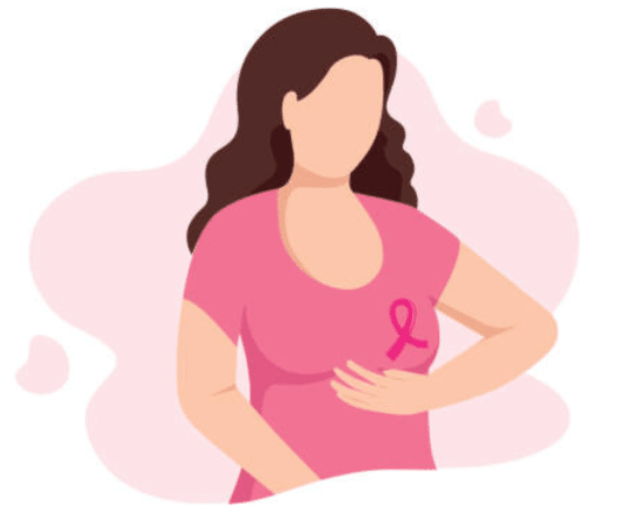
According to data from the Hong Kong Hospital Authority, when breast cells divide and grow uncontrollably, tumors form. Tumors can be benign or malignant. A malignant tumor in the breast is breast cancer. After developing breast cancer, the breast, nipple, and armpit may show the following changes.
7 Symptoms of Breast Cancer
- Breast: A lump of any size, change in shape or size, dimpling of the skin (like an orange peel), or visible vein enlargement
- Nipple: Spontaneous discharge (including bleeding), or nipple retraction (turning inward)
- Armpit: Swelling or enlarged lymph nodes
Hospital Authority reminder: Feeling significant breast tenderness or a lump before menstruation is due to normal cyclical hormonal changes and is a normal physiological response. There is no need for excessive concern.
High-Risk Groups for Breast Cancer
- Gender: Breast cancer occurs primarily in women, but men can also develop it
- Age: Risk increases with age
- Family history/genetics: Those whose mothers, sisters, or direct relatives have had breast cancer are at higher risk. Research shows approximately 5–10% of breast cancer cases may be hereditary
- Menstrual history: Those who started menstruation before age 12 or entered menopause after age 55
- Diet: Long-term consumption of high animal-fat foods
- Lifestyle: Smoking, heavy alcohol use, lack of exercise
- Reproductive history: Never having given birth, or having a first child after age 35
- Medication: Long-term use (over 5 years) of oral contraceptives or hormone replacement therapy (HRT)
- Personal cancer history: Those previously diagnosed with certain cancers such as Hodgkin's lymphoma, lung adenocarcinoma, colorectal cancer, or those who had cancer during childhood are at higher risk for breast cancer.