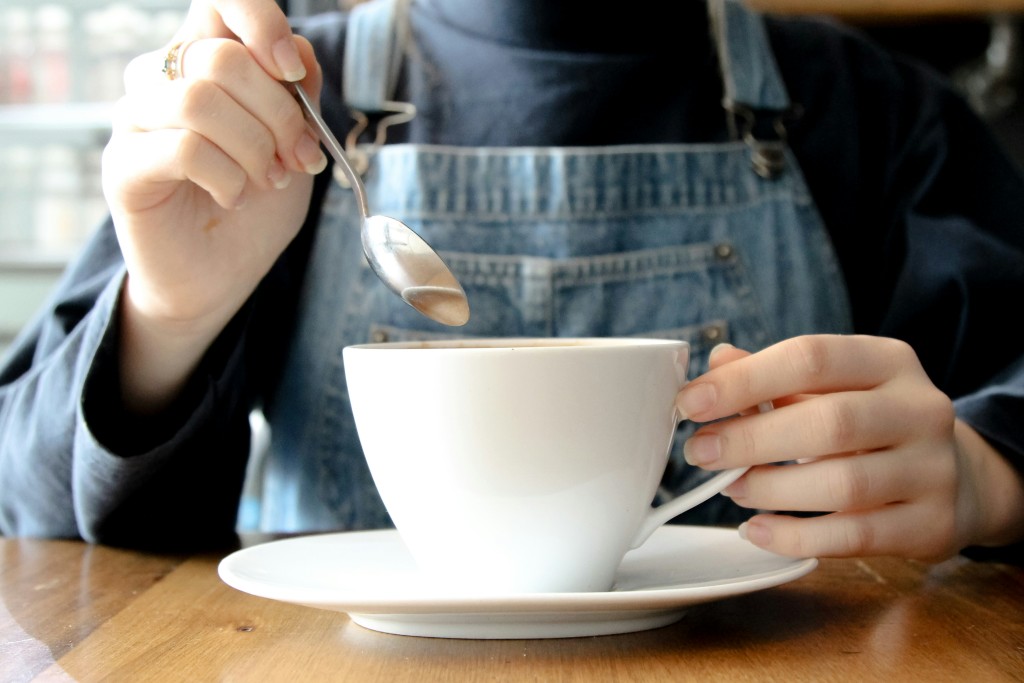
Coffee has become an essential daily pick-me-up for many in Hong Kong, even a lifestyle choice. With the wide variety of coffee available on the market, are there any food safety risks? At the end of last year, the Macau Consumer Council, in collaboration with the Municipal Affairs Bureau's Food Safety Department, conducted spot checks on 10 coffee products, including popular brands such as UCC, Kataoka BLENDY, and ILLY. Results showed that levels of heavy metals and mycotoxins detected in all samples were within normal limits, with every sample meeting relevant safety standards.
According to data from Consumer Report Macau, all samples were randomly purchased by personnel from the Macau Consumer Council and the Municipal Affairs Bureau's Food Safety Department from various supermarkets in Macau. Sample sizes ranged from 80g to 500g, including both coffee beans and ground coffee. Labeled countries of origin included Germany, Japan, the United Kingdom, Italy, the Macau Special Administrative Region, and Taiwan.
According to the Municipal Affairs Bureau's Food Safety Information Network, the heavy metal lead poses significant health risks. Short-term ingestion of large amounts of lead can cause digestive discomfort, anemia, and can even be fatal. Long-term ingestion of low doses of lead can damage the liver and kidneys, and is particularly detrimental to children's intellectual development. Macau regulations stipulate a maximum lead limit of 0.5 mg per kilogram in coffee. All 10 coffee samples tested negative for lead, indicating an ideal safety level.
Another key testing focus was Ochratoxin A, a metabolite produced by fungi. Coffee beans stored in humid environments can become contaminated even without visible mold. This toxin is chemically very stable and cannot be effectively removed by high-temperature roasting or boiling.
The International Agency for Research on Cancer (IARC) has classified Ochratoxin A as a Group 2B substance, meaning it is "possibly carcinogenic to humans." Animal studies have confirmed it can cause kidney toxicity, liver toxicity, and embryonic malformations. Macau regulations stipulate a maximum limit of 5 micrograms of Ochratoxin A per kilogram of coffee. Reassuringly, all 10 samples tested negative for this toxin, indicating that consumers can drink with confidence.
List of 10 Safe Coffee Products
- Zespri Coffee - Special Grade Coffee
- Specification: 250g
- Form: Ground coffee
- Labeled Origin: Macau SAR
- Retail Price (MOP): 54.00
- Test Result: ✓
- Star Win Coffee - Brazil x Yirgacheffe Specialty Roast Ground Coffee
- Specification: 250g
- Form: Ground coffee
- Labeled Origin: Macau SAR
- Retail Price (MOP): 62.00
- Test Result: ✓
- ILLY INTENSO BOLD ROAST GROUND COFFEE
- Specification: 250g
- Form: Ground coffee
- Labeled Origin: Italy
- Retail Price (MOP): 99.00
- Test Result: ✓
- KEY COFFEE DRIP ON SPECIAL BLEND
- Specification: 80g (8g × 10)
- Form: Ground coffee
- Labeled Origin: Japan
- Retail Price (MOP): 51.90
- Test Result: ✓
- Maxwell House Drip Bag Coffee (Blue Mountain Flavor)
- Specification: 100g (10g × 10)
- Form: Ground coffee
- Labeled Origin: Taiwan Region
- Retail Price (MOP): 70.00
- Test Result: ✓
- MELITTA BLUE MOUNTAIN STYLE Fresh Ground Coffee
- Specification: 500g
- Form: Coffee beans
- Labeled Origin: Germany
- Retail Price (MOP): 145.00
- Test Result: ✓
- TAYLORS OF HARROGATE HOT LAVA JAVA GROUND ROAST COFFEE
- Specification: 200g
- Form: Ground coffee
- Labeled Origin: United Kingdom
- Retail Price (MOP): 70.00
- Test Result: ✓
- UCC SHOKUNIN ONE DRIP SPECIAL BLEND COFFEE 18P
- Specification: 126g (7g × 18 bags)
- Form: Ground coffee
- Labeled Origin: Japan
- Retail Price (MOP): 55.00
- Test Result: ✓
- UCC V-EST NO.5 COFFEE BEANS
- Specification: 500g
- Form: Coffee beans
- Labeled Origin: Japan
- Retail Price (MOP): 196.90
- Test Result: ✓
- Kataoka BLENDY Deep Roast Rich Drip Bag Coffee
- Specification: 500g
- Form: Coffee beans
- Labeled Origin: Japan
- Retail Price (MOP): 196.90
- Test Result: ✓