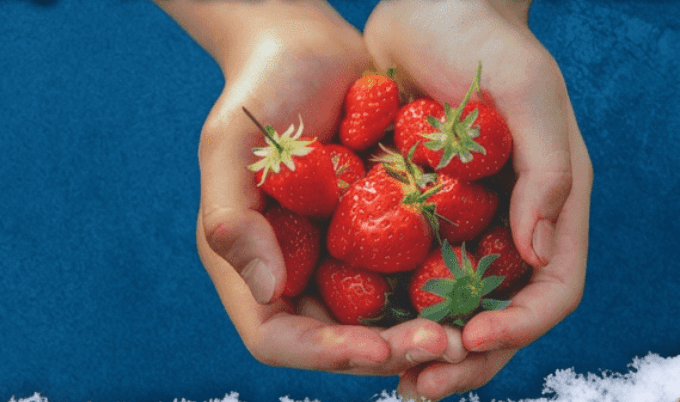
Walking through the fruit section of a supermarket or market, it's hard not to be drawn to the vibrant colors of berries. But these little fruits are more than just a pretty garnish for desserts—they are recognized by the nutrition world as true "superfoods." Dietitian Yeung Si-han highlights 5 standout berries and their impressive health benefits, plus shares simple ways to enjoy them.
5 Top Berries: Nutrition and Benefits (per 100g)
1. Raspberries
- Calories: 52 kcal
- Dietary Fiber: 6.5g (top-tier among fruits)
- Vitamin C: 26.2mg
- Key Antioxidants: Ellagic acid, quercetin
- Why Eat Them? Their exceptionally high fiber content promotes satiety, making them the top choice for gut health and blood sugar stability.
2. Strawberries
- Calories: 32 kcal
- Dietary Fiber: 2.0g
- Vitamin C: 58.8mg (higher than many citrus fruits!)
- Key Antioxidants: Ellagic acid, anthocyanins
- Why Eat Them? Excellent for skin health due to their high Vitamin C content, which is crucial for collagen synthesis and immune support.
3. Blueberries
- Calories: 57 kcal
- Dietary Fiber: 2.4g
- Vitamin C: 9.7mg
- Key Antioxidants: Anthocyanins (abundant)
- Why Eat Them? Numerous studies link the high anthocyanin content to protecting the retina and improving cognitive function.
4. Cranberries
- Calories: 46 kcal
- Dietary Fiber: 4.6g
- Vitamin C: 13.3mg
- Key Antioxidants: Unique A-type proanthocyanidins
- Why Eat Them? These unique compounds help prevent bacteria from adhering to the urinary tract wall, promoting urinary health. (Note: Choose fresh or unsweetened dried cranberries, as juice often contains loads of added sugar.)
5. Blackberries
- Calories: 43 kcal
- Dietary Fiber: 5.3g
- Vitamin C: 21.0mg
- Key Antioxidants: Catechins, anthocyanins
- Why Eat Them? Packed with powerful antioxidants that combat oxidative stress.
3 Simple & Delicious Berry Recipes
Yeung notes that berries are perfect for breakfast, salads, or healthy desserts because heating releases their natural pectin, enhancing their sweet-tart flavor and vibrant color.
1. Blueberry Chia Overnight Oats
A low-GI, high-fiber breakfast combining blueberry anthocyanins with chia's Omega-3s. Perfect for busy mornings.
- Ingredients: 50g rolled oats, 1 tbsp chia seeds, 150ml milk/unsweetened soy milk, handful fresh blueberries, 1 tbsp Greek yogurt.
- Method:
- Combine oats, chia, and milk/yogurt in a jar. Stir.
- Add half the blueberries, gently crushing some to release juice.
- Seal and refrigerate for at least 6 hours or overnight.
- Top with remaining berries and yogurt before serving.
2. Mixed Berry & Warm Spinach Salad with Vinaigrette
The Vitamin C in berries helps absorb iron from spinach, and their tartness balances richer foods like chicken.
- Ingredients: Baby spinach, cooked chicken breast, mixed berries (strawberries, blackberries), walnuts, olive oil, honey, lemon juice.
- Method:
- Dressing: Mash a few raspberries, mix with olive oil, lemon juice, a touch of honey, and salt until emulsified.
- Slice chicken and arrange over spinach.
- Top with fresh berries and toasted walnuts.
- Drizzle with the berry vinaigrette.
3. Homemade Unsweetened Mixed Berry Compote
Skip the high-sugar store-bought jams. This uses natural fruit pectin and takes just 15 minutes, preserving all the beneficial phytonutrients with zero refined sugar.
- Ingredients: 300g fresh or frozen mixed berries, juice of 1/2 lemon, tiny splash of water.
- Method:
- Place berries in a small pot with a tiny bit of water (they'll release more as they heat).
- Cook over medium-low heat, stirring and crushing berries with a wooden spoon.
- Simmer until thickened (10-15 mins). Stir in lemon juice just before turning off the heat (it aids pectin setting).
- Cool, then store in a sterilized jar in the fridge.
Dietitian's Tips:
- Wash with care: Berries like strawberries and raspberries have delicate skins. Rinse gently under a weak stream of water just before eating. Avoid soaking to prevent Vitamin C loss.
- Frozen is fantastic: Out of season, frozen berries are an excellent choice. They are typically flash-frozen at peak ripeness, preserving nutrients like anthocyanins very well.
How Much Fruit Should You Eat Daily?
Hong Kong's Department of Health recommends at least 2 servings of fruit and 3 servings of vegetables daily for a balanced diet.
What is 1 serving of fruit? Approximately equals:
- 2 small fruits (e.g., plums, kiwis)
- 1 medium fruit (e.g., orange, apple)
- 1/2 large fruit (e.g., banana, grapefruit)
- 1/2 bowl of fruit pieces (e.g., watermelon, melon)
- 1/2 bowl of small fruits (e.g., grapes, lychees, cherries, strawberries)
- 1 tbsp of dried fruit with no added sugar/salt (e.g., raisins, prunes)
Choosing and Eating Fruit for Maximum Nutrition:
- Eat a variety of colors for different nutrients.
- Choose fresh over canned, frozen, dried, or juice.
- Prioritize orange/yellow fruits (papaya, mango, orange) for Vitamins A & C.
- Eat whole fruits rather than juice (juice has more sugar, less fiber).
- Avoid high-fat fruit preparations (tarts, ice cream, cakes with cream).
- Limit fruits with added sugar (canned in syrup, sweetened dried fruit, concentrated juice).