Read More





The 5cm lift: Activating your entire body's muscles
08-05-2026 12:00 HKT


Nutritionist recommends 1 supplement before sleeping on flights
07-05-2026 12:00 HKT

Ill-fitting bras may be a "hidden killer" for spine health
06-05-2026 12:00 HKT



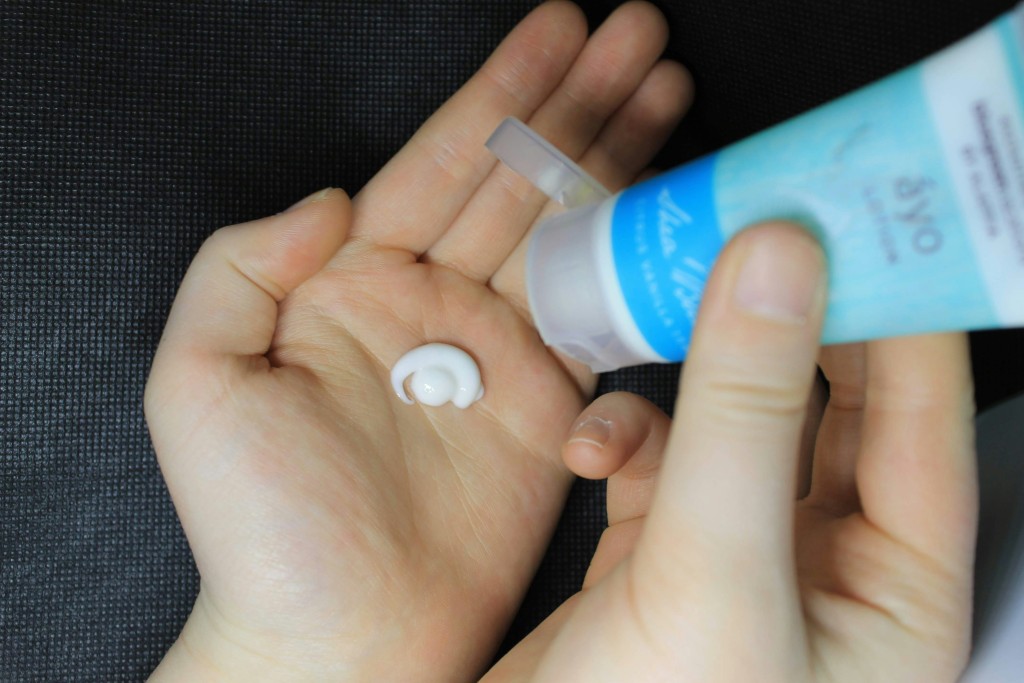
During winter, when skin becomes extremely dry, applying moisturizer after showering and upon waking is a must. However, besides hydrating and skin-nourishing ingredients, the lotion you apply daily may also contain harmful chemicals that could cause allergies, disrupt hormones, or even be linked to cancer. Dermatologists and environmental health experts break down 5 common "chemical traps" found on ingredient labels.
US dermatologist Dr. Kevin Sharghi explains that a good moisturizer should work like a team, containing three key types of ingredients:
However, besides these beneficial ingredients, many products on the market contain chemicals that may be harmful to human health or the environment. The US non-profit consumer rights organization Consumer Reports evaluated over 80 moisturizers on the market, analyzing their ingredient labels. They found many products contained ingredients that are possibly or known to be harmful to humans and the environment. Environmental health scientist Dr. Rainbow Rubin reminds us that while the dose of harmful ingredients in a single product may be low, using multiple personal care products daily can cause these chemicals to accumulate in the body, potentially threatening long-term health. Experts caution to especially avoid the following 5 "chemical traps" when choosing a moisturizer.
Trap 1: Harmful Preservatives
Trap 2: Petroleum By-Products like Mineral Oil, Petrolatum
While these are excellent occlusives that effectively lock in skin moisture, the refining process can lead to contamination with "polycyclic aromatic hydrocarbons" (PAHs) , and some PAHs are linked to cancer.
Trap 3: Undisclosed Fragrance
A simple "Fragrance" listing on a label can potentially hide thousands of different chemicals. Some of these ingredients are linked to cancer, hormone disruption, severe allergies, and other problems.
Trap 4: The "Unscented" Myth
Note: "Unscented" does not equal "Fragrance-Free" . Formulations labeled unscented may contain other chemical "masking agents" used to hide the odor of other raw materials and ingredients. Look for products explicitly labeled "Fragrance-Free" instead.
Trap 5: Silicones
These are used to give products a smoother texture and provide an occlusive effect. However, they are difficult for the environment to break down, and some types are suspected of potentially disrupting endocrine function. Watch for words ending in "-silane," "-siloxane," or "-cone" on ingredient labels.
Some people think that once you start using moisturizer, your skin becomes dependent on it and will get even drier if you stop. But Dr. Zakia Rahman, Professor of Dermatology at Stanford University School of Medicine, states plainly: "This is absolutely a myth." The role of moisturizer is to protect the skin's outermost barrier, thereby locking in moisture. When you stop using it, the skin simply returns to its original dry state; there is no "addiction" issue.
Therefore, you can use it according to your skin's needs without worry. The best time to apply is immediately after bathing, while the skin is still slightly damp, for optimal moisture locking.
How to Choose a Safer Moisturizer?