Read More









Gut imbalance may affect children with ADHD
27-04-2026 12:00 HKT


HK hit by sudden 9 degrees temperature dip amid cold front
29-04-2026 20:56 HKT


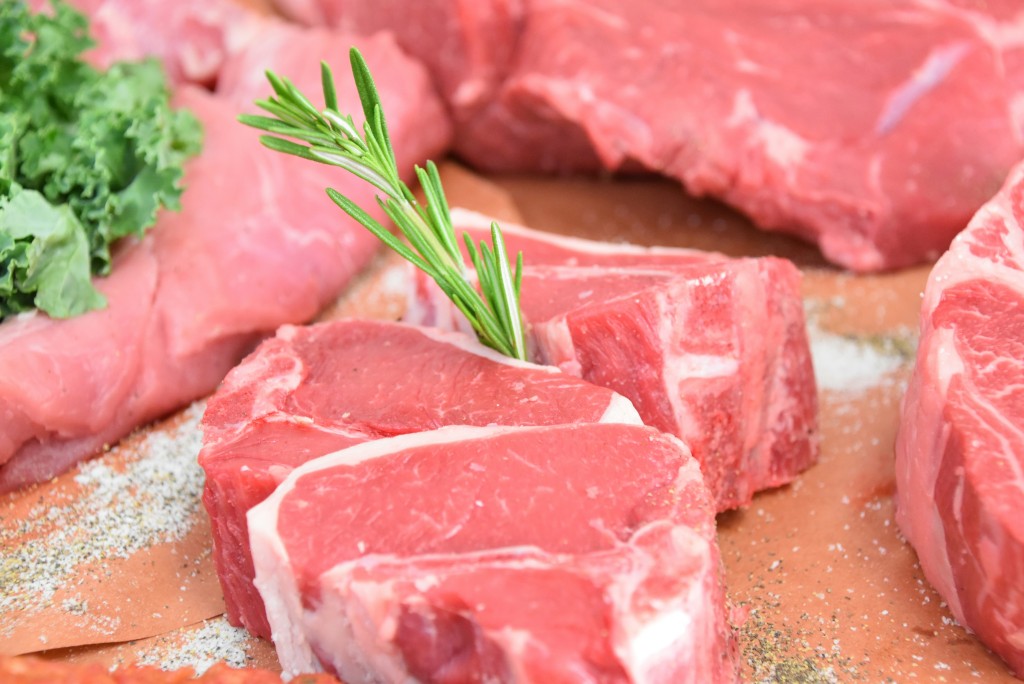
Red meats like beef and pork have long been associated with conditions like dementia, obesity, and diabetes, with processed meats considered to increase cancer risk. However, a new study suggests pork might be classified as a health-beneficial meat. Particularly for the elderly, eating more pork may not only help maintain muscle mass but also benefit metabolic health, protect cognitive function, and prevent heart disease. How should those pursuing longevity and avoiding physical decline consume pork?
American research has found that introducing minimally processed red meat into a primarily plant-based diet may positively impact maintaining cognition and slowing aging. The findings were published in the journal Nutrition.
Researchers analyzed participants' blood markers (cholesterol, blood sugar, ferritin, etc.) to assess the diets' effects on cognition, neurological function, cardiovascular health, and body composition.
Key Findings:
Expert Insight:
Saba Vaezi, a clinical nutrition expert and the study's lead author, stated: "These biomarkers have significant implications for heart disease, insulin resistance, iron storage, neuroinflammation, and neuroplasticity. They are not only related to seniors' health but are increasingly proven to be factors associated with cognitive aging."
Conclusion:
The researchers concluded that these results support the view that regularly consuming lean, minimally processed red meat within a healthy, primarily plant-based dietary pattern does not adversely affect cognition-related metabolism. Moreover, incorporating familiar foods like minimally processed pork into a healthy daily eating pattern may not only offer health benefits but also potentially improve adherence to a plant-predominant diet among older adults.