Read More
While avocado is considered a superfood, some claim daily consumption leads to weight gain. A US nutritionist personally tested eating avocado with every meal for a week and discovered one significant bodily change that can aid weight loss. What are the other numerous benefits of avocado?
ADVERTISEMENT
SCROLL TO CONTINUE WITH CONTENT
According to foreign media Prevention, US registered dietitian Lauren Manaker shared her experience with a "one-week avocado challenge." She consumed a standard serving of avocado daily, intentionally adding it to various foods, and recorded its effects on her heart, digestion, and overall health.
- Test Duration: 7 days
- Daily Amount: One standard serving of avocado (equal to 1/3 of a medium avocado)
- Consumption Method: Added avocado to salads, soups, eggs, etc.
- Observation Metrics: Energy levels, digestive function, satiety, changes in skin and hair
Nutritionist's Sample Daily Menu:
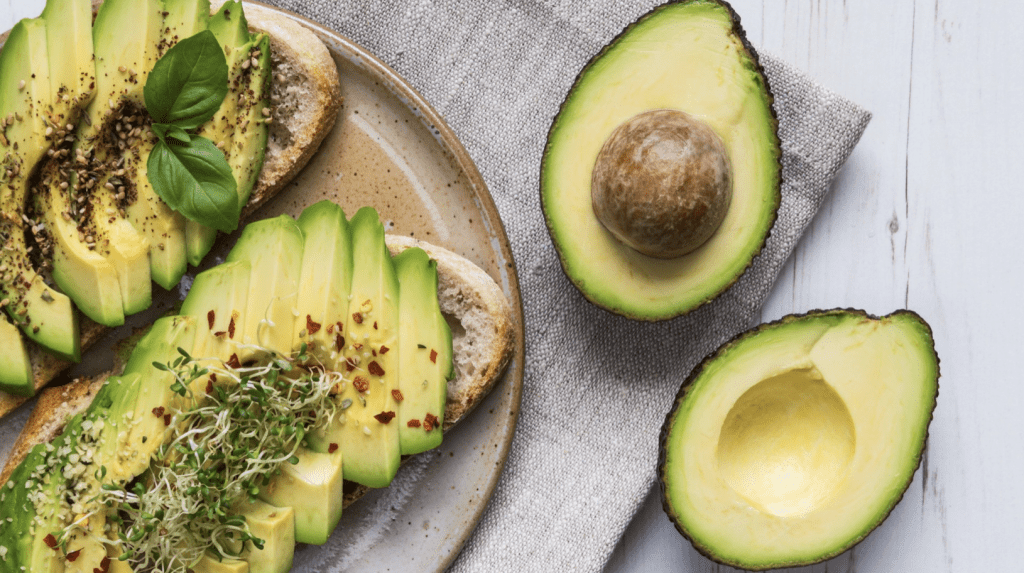
- Breakfast: Mashed avocado on whole-wheat toast, sprinkled with "everything bagel" seasoning.
- Lunch: Sliced avocado added to a salad or grain bowl.
- Dinner: Pureed avocado blended into a creamy avocado pasta sauce.
Prolonged Satiety as the Biggest Highlight, Effectively Reducing Snack Cravings
Manaker stated that this experiment deepened her understanding of avocados. The most noticeable change was satiety: the feeling of fullness lasted longer, and the desire for afternoon snacks significantly decreased. Although one week wasn't enough for long-term changes, she felt good overall with regular digestion, likely thanks to avocado's rich dietary fiber. While no obvious skin or hair changes occurred in a week, the vitamin E and other nutrients may offer long-term benefits.
She concluded that eating avocado daily is delicious and beneficial, potentially promoting heart and digestive health in the long run. Avocado is versatile in meals, easily incorporated into various dishes without becoming boring, and she encourages the public to include it in their daily diet.
4 Major Health Benefits of Avocado
Manaker analyzed that avocados are rich in vitamins, minerals, and healthy fats, offering the following benefits:
- Heart Health: Rich in monounsaturated fats, primarily oleic acid (same as olive oil), which can lower "bad" LDL cholesterol, raise "good" HDL cholesterol, and help control blood pressure by maintaining an ideal sodium-potassium balance.
- Improved Digestion: Each serving provides 3g of dietary fiber, crucial for digestion. It adds bulk to stool, prevents constipation, and acts as a prebiotic to nourish gut bacteria. Healthy gut flora is linked to immunity and mood.
- Promotes Skin, Eye, and Brain Health: Monounsaturated fats and plant compounds help maintain skin moisture and elasticity. Lutein and zeaxanthin protect against blue light damage, reducing the risk of age-related macular degeneration and cataracts. Lutein may also benefit the brain.
- Diabetes Prevention: Recent studies suggest regular avocado consumption by Mexican women may lower type 2 diabetes risk. Additionally, avocados are low in carbs with a very low glycemic index, having minimal impact on blood sugar levels, aiding in stable blood sugar throughout the day. The fiber and monounsaturated fats may help improve insulin sensitivity.
Avocado Nutritional Profile: 2 Groups Should Consume with Caution
Manaker indicated that per 50g serving (standard size), avocado contains approximately:
- Calories: 80 kcal
- Fat: 7g (only 1g saturated fat)
- Total Carbs: 4g (3g dietary fiber, less than 1g sugar)
- Protein: 1g
- Sodium: 5mg
- Potassium: 240mg
- Magnesium: 15mg
- Other plant compounds: Lutein, zeaxanthin, phenolics
While avocados are safe for most, they may not suit everyone. The following groups should be cautious:
- People with latex allergy: May experience allergic reactions to avocado, such as oral itching.
- Those taking anticoagulants (blood thinners): Avocados are rich in vitamin K, which aids blood clotting and could potentially affect medication efficacy. Individuals on such medications should consult their doctor about avocado consumption.