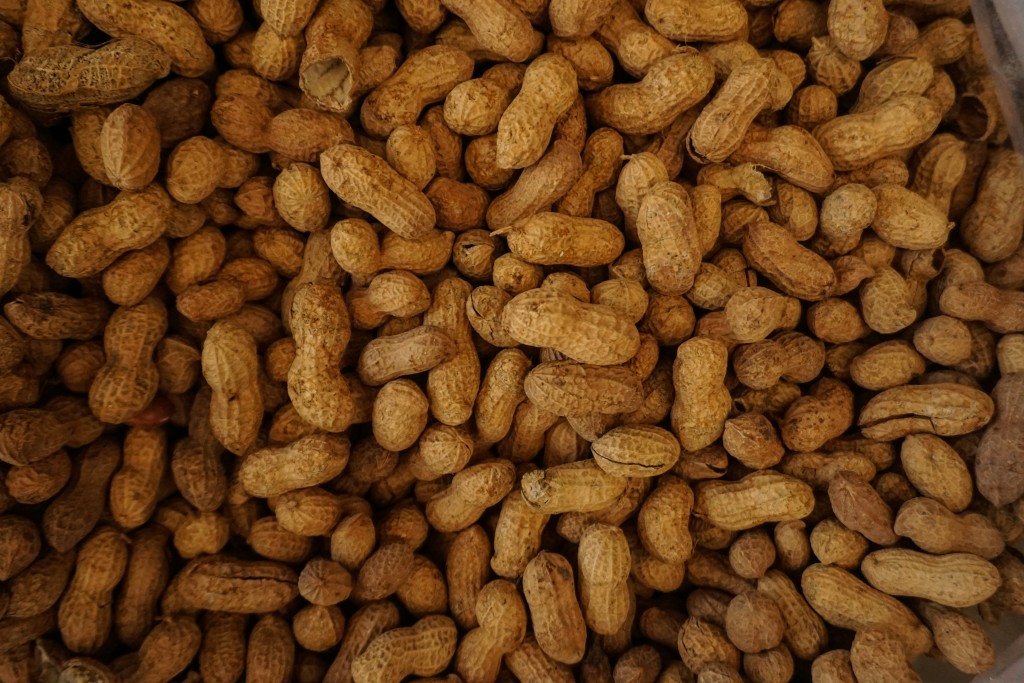
Peanuts are known as the "longevity nut" and are a favorite daily snack for many. A new study reveals that one frequently discarded part of the peanut is actually rich in an antioxidant "longevity component" that may help delay cellular aging. A doctor analyzes that consuming this amount of peanuts daily may help with rejuvenation.
Genetic and Eugenics doctor Dr. Chang Jia-ming recently shared on his personal Facebook page a 2025 Spanish clinical trial published in Antioxidants that explored whether daily peanut consumption affects telomere length in saliva samples of healthy young adults. The trial tracked 58 participants aged 18-33, divided into three groups:
- Daily consumption of 25g of skin-roasted peanuts
- Daily consumption of 32g of peanut butter
- Daily consumption of 32g of control butter made from peanut oil, lacking phenolic compounds and dietary fiber (control group)
The research team concluded that daily consumption of peanuts with skins for 6 months might slow the rate of telomere shortening in young adults, potentially delaying the pace of disease and aging. The reason why consuming peanuts with skins might slow telomere shortening could be due to the rich active components in peanuts, such as monounsaturated fats (MUFA). However, peanut butter did not show similar benefits.
Chang explained that telomeres are the key code determining the speed of aging. He likens chromosomes to "shoelaces." Human DNA is coiled inside chromosomes, and the ends of chromosomes have a protective structure called telomeres, similar to the "plastic aglets on shoelaces," protecting our genetic information. The main functions of telomeres are:
- Protecting human DNA from wearing down during cell division.
- Each time a cell divides, telomeres shorten a bit.
- When telomeres become too short, cells can no longer divide, and the body enters aging or death.
- Faster telomere shortening means faster cellular aging. Slower telomere shortening increases the chance to delay disease and aging. This is the so-called "biological age."
"Telomere lengthening" refers to a phenomenon where, under certain lifestyle or dietary interventions, telomeres that were shortening show a "rebound." It's like the plastic aglet on a shoelace, almost worn out, gets re-wrapped, improving protection. Chang points out that in the peanut study, consuming peanuts with skins suggests cells might age slower, degeneration might slow down, potentially delaying the risk of age-related diseases.
Peanut Skins Are Rich in Antioxidants – Roasting Preserves Nutrients
Chang reminds us that most people often discard the thin "peanut skin" when eating peanuts. In fact, that "peanut skin" is the core of the health benefits, containing the following natural antioxidants:
- m-coumaric acid
- Resveratrol
- Polyphenols
These natural antioxidants not only scavenge free radicals but also reduce DNA damage, thereby slowing telomere shortening. Chang explains that roasting not only makes peanuts crispier but also preserves the integrity of fiber and phytochemicals. However, the processing of peanut butter can destroy some active components and fiber structure, failing to provide the same cellular protection.
Doctor Teaches 4 Ways to Eat Peanuts Healthily
Eating about 25g of roasted peanuts with skins daily may make cells a bit younger and healthier. Chang says you don't need to drastically change your diet and teaches 4 simple eating methods:
- Add a small handful of peanuts to breakfast oatmeal or yogurt.
- Have them as a small snack when hungry in the afternoon.
- Sprinkle on salads, lunch boxes, or soups to add texture.
- Choose "unsalted, non-fried, with skin" versions for the best effect.
Consumer Council: Peanuts Benefit Cardiovascular Health, But Don't Eat Too Much
Consumer Council information shows most peanut and nut samples are "high-fat" foods. Some people hearing "high-fat" might equate it with obesity or unhealthiness and avoid them. However, many studies have proven the health benefits of nuts, especially for cardiovascular health. Epidemiological research shows that eating nuts is beneficial for health regardless of gender or age. The amount of peanuts and nuts each person should eat daily depends on their overall diet, energy needs, and activity level. The American Heart
Association recommends:
- Adults should eat about 4 servings of unsalted and oil-free nuts per week. One serving is roughly a small handful (about 30g) of nuts or 2 tablespoons of nut butter (with no added oil, salt, or sugar).
- Nuts should replace unhealthy snacks, highly processed foods, and red meat. Cooking oil in the diet should also be reduced to lower the intake of saturated fats, trans fats, and overall fat, thereby protecting heart health and avoiding unnecessary weight gain.
However, be mindful that eating too many peanuts and nuts can easily lead to excessive energy intake, causing obesity. Eating too many peanuts and nuts with added sugar or salt increases the risk of other health problems.
Consumers should choose nuts without added oil, salt, or sugar to prevent excessive intake of sugar, salt, and oil. They should also pay attention to serving sizes to avoid overconsumption and adjust their daily diet after eating nuts, reducing fat intake from other foods to prevent weight gain.
People Who Might Not Be Suitable for Consuming Peanuts and Nuts
The Consumer Council states that some individuals might not be suitable for consuming peanuts and nuts:
- People allergic to peanuts and nuts may experience severe allergic reactions shortly after consuming even small amounts.
- People with swallowing or chewing difficulties may need to avoid them to prevent choking risks.
- Chronic kidney disease patients needing potassium restriction may need to limit nut consumption because most nuts (except peanuts) are rich in potassium. Nuts are generally beneficial for health; kidney patients don't necessarily need to avoid them completely but should consult a registered dietitian for dietary advice suitable for their health condition.
- Infants and young children have narrower airways and esophagi and cannot fully chew peanuts and nuts. Consuming whole or flaked peanuts or nuts may pose a choking risk. Nuts can be introduced in paste form.