Read More
Sauces are an indispensable soul of Hong Kong cuisine, and many people have friends who "won't eat without sauce." However, while delicious, sauces can be potential "kidney killers" for the body! A doctor has publicly ranked the top 5 kidney-damaging sauces. The champion sauce is one considered a "Hong Kong essential".
ADVERTISEMENT
SCROLL TO CONTINUE WITH CONTENT
Nephrologist Dr. Hung Wing-heung shared on his personal Facebook page about "Old Zhang," a 65-year-old man with high blood pressure and stage 3 chronic kidney failure. He didn't smoke or drink but loved food. He insisted he had cut out salt and ate blandly. However, upon examining his detailed dietary record, Hung was shocked to find that for breakfast congee, Zhang used 3 big spoonfuls of chili bean paste; for lunch noodles, 4 big spoonfuls; and for dinner blanched vegetables, he drenched them in chili bean paste. The reason is because Zhang mistakenly believed that since chili bean paste was made from fermented beans, it should be healthy.
After three months of this diet, Zhang experienced:
- Creatinine index rose from 2.1 to 3.5.
- Blood phosphorus concentration rose to 7.8 (normal 2.7-4.6).
- Blood pressure remained above 180 mmHg.
- Severe edema in both feet, with indentations remaining long after pressing with a finger.
Hung warned that sauces are "chemical weapons" that severely damage the kidneys and listed a ranking of the top 5 kidney-damaging sauces, with the champion being a sauce considered a "Hong Kong essential."
The 5 Major Kidney-Damaging Sauces Ranking:
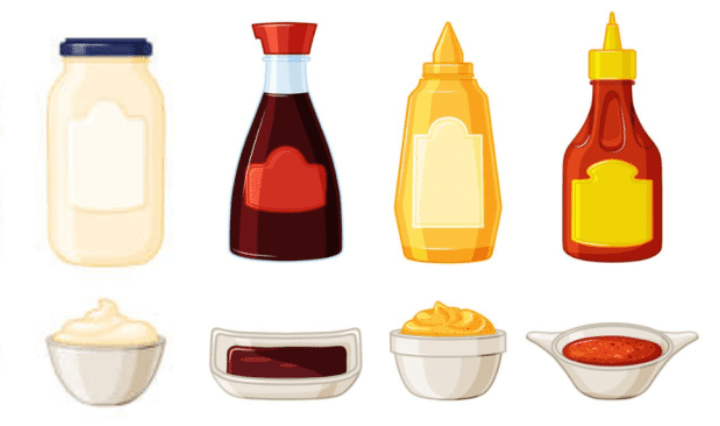
5th Place: Salad Dressing
- Characteristics: Contains 70-80g of fat and 600-700 calories per 100g; a white "fat bomb" leading to weight gain and high blood pressure unknowingly.
- Principle: High fat content causes blood lipids to soar and vascular hardening, leading to renal artery stenosis. Contains large amounts of chemical thickeners, emulsifiers, and modified starches, increasing kidney burden.
4th Place: Sha Cha Sauce (Satay Sauce)
- Characteristics: Contains about 800mg sodium, 200-300mg phosphorus, and about 400mg potassium per 100g. A "phosphorus-potassium bomb" in hotpot culture, often eaten by the bowlful with food, easily causing excessive blood phosphorus.
- Principle: Made from dried fish, dried shrimp, peanuts, shallots, and sesame oil, it's extremely high in phosphorus and potassium. High sodium content, plus contains inorganic phosphorus additives and high fat.
3rd Place: Ketchup
- Characteristics: Contains 25-30g sugar, about 1100mg sodium, and about 450mg potassium per 100g. A "sugar-salt mixture" disguised as a fruit sauce, a dual threat to "blood sugar + blood pressure."
- Principle: Commercial ketchup contains little tomato; main ingredients are sugar, salt, and high-fructose corn syrup. High sugar is harmful for kidney patients with diabetes. Concentrated ketchup is extremely high in potassium, posing great danger for those with heart failure or high potassium.
2nd Place: Dark Soy Sauce Paste / Soy Sauce Glaze
- Characteristics: Sodium content as high as 4000-5000mg per 100g; akin to thick, chemical-laden brine.
- Principle: To achieve a "thickened" texture, modified starch, caramel coloring, and salt are often added. Dipping one spoonful with plain chicken equals ingesting about 300mg sodium. Contains caramel phosphate pigments, placing a huge burden on kidneys.
1st Place: Chili Bean Paste
- Characteristics: Alarmingly contains up to 7000mg sodium and over 500mg inorganic phosphorus per 100g. 100g of chili bean paste contains about 17.5g salt, exceeding the WHO's daily recommended intake (5g) by three times. Extremely high in sodium, it's the "kidney terminator."
- Principle: Contains high phosphorus from fermented beans (organic phosphorus) plus preservative inorganic phosphorus, making phosphorus levels extremely high and very damaging to kidneys. Most chili bean pastes are heavy in salt, oil, and spice, burdening the stomach and metabolism. Kidney failure patients should discard it immediately and stop consuming it.
Why Do Sauces Harm the Kidneys? Doctor Recommends 2 Tricks to Reduce Salt Dependence
Hung explained the main reasons sauces harm the kidneys:
- High Sodium Destroys Glomeruli: A 2022 study in the authoritative journal Hypertensionindicated that long-term excessive sodium intake raises intrarenal arterial pressure, directly damaging the glomerular filtration barrier. For those with poor kidney function, high sodium is like a "high-pressure water jet" hitting a cracked water filter (the kidneys), accelerating its breakdown.
- The "100% Absorption" Crisis of Inorganic Phosphorus: A 2021 study in the Journal of Renal Nutrition revealed that phosphate preservatives (inorganic phosphorus) added to processed sauces have a near 100% absorption rate in humans, far higher than the 40-60% absorption rate of organic phosphorus in natural foods. For kidney patients with impaired phosphorus excretion, this easily leads to hyperphosphatemia, causing vascular calcification and hardening.
- Hidden Sugar Increases Metabolic Burden: A 2023 study in the American Society of Nephrology Clinical Journal emphasized that many sauces, like ketchup and sweet chili sauce, contain shocking amounts of sugar. High fructose intake can induce elevated uric acid, leading to renal interstitial fibrosis.
Hung stated that every bite of high-sodium sauce is "mortgaging the kidney's future." He recommends 2 "kidney-protecting" seasoning tricks to elevate the appreciation of "natural flavors":
- 1. Utilize Nature's "Sauces": Use natural aromatics like scallions, ginger, garlic, onion, and chili. They provide ample aroma with minimal sodium and are rich in natural antioxidants with anti-inflammatory, kidney-protective effects. Herbs like basil, cilantro, and rosemary offer sophisticated aroma layers, reducing dependence on salty flavors.
- 2. Replace Salt with Sourness: Use lemon juice or white vinegar on grilled fish or blanched vegetables. The sourness can trick the brain, enhancing umami and greatly reducing the craving for salt.
Early Symptoms of Kidney Disease/Failure: Pay Attention to Changes in Urine
According to the Hospital Authority, early kidney disease and chronic kidney failure symptoms are often not obvious. More common symptoms include:
- Blood in urine / tea-colored urine (hematuria)
- Foamy urine (proteinuria)
- Cloudy urine (urinary tract infection)
- Painful and frequent urination
- Difficulty urinating
- Passing small stones in urine
- Increased urine output, decreased urine output, nocturia
- Lower back or abdominal pain
- Swollen ankles or eyelids
- High blood pressure
4 High-Risk Groups for Kidney Failure, Severe Cases May Require Dialysis
According to the Hospital Authority, when kidney function is severely impaired long-term, its ability to excrete metabolic waste is compromised, leading to waste accumulation and various functional problems, resulting in chronic kidney failure.
When reaching the end-stage renal failure phase, patients require dialysis or kidney transplantation to sustain life. Patients with the following conditions have a higher risk of developing chronic kidney failure:
- Diabetes
- Glomerulonephritis, including lupus nephritis
- High blood pressure
- Congenital kidney disease or family history of kidney disease