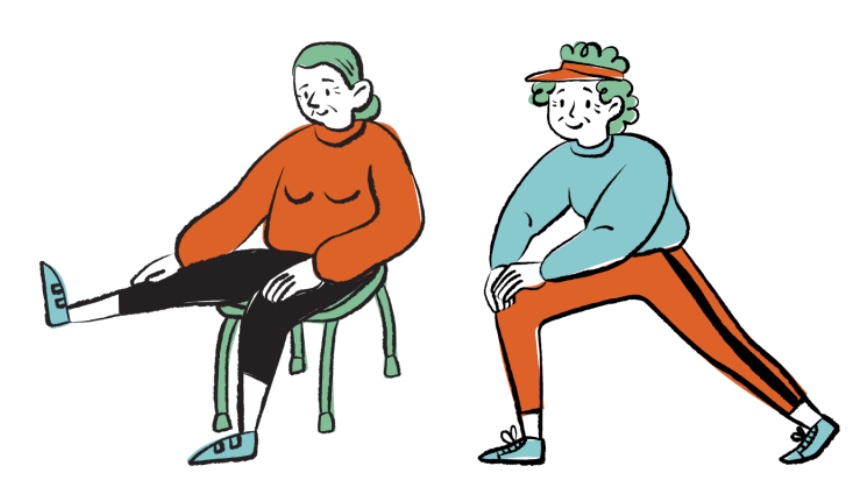
Moderate exercise is foundational for promoting brain health and longevity. Experts recommend 6 types of exercises suitable for women over 50. These not only help build muscle and improve balance but also enhance cognitive function, lowering the risk of dementia and heart disease. This allows older bodies to remain mobile and active, ultimately achieving the goal of healthy longevity.
According to a report by the foreign media EatingWell, personal fitness trainer Damien Joyner states that for women over 50, the focus of exercise should be on healthy longevity—not just living healthily but also maintaining the quality of life they desire. For women over 50, exercise aims to reduce the risk of health-threatening conditions, including low bone mineral density, increased risk of falls, and heart disease. Regular and comprehensive exercise helps maintain muscle strength, cardiovascular health, agility, coordination, brain health, flexibility, and posture.
He recommends the following 6 types of exercises most suitable for women over 50. They match their current activity levels while providing enough challenge to improve physical function. It is suggested to consistently perform 1 to 2 of these daily to feel stronger and healthier.
What Exercises Should Women Do After 50?
1. Brisk Walking
Studies show that walking after meals can lower blood sugar responses, and it's very easy to do. For example, you can walk with a friend, listen to a podcast, or enjoy nature while walking.
For women who find regular walking monotonous, they can increase the intensity by walking with purpose—brisk walking rather than just strolling leisurely. He also suggests finding easy hiking trails to increase walking intensity, which is more effective for training cardiovascular function and muscle strength.
2. Weight-Bearing Exercise
Women's bone mass begins to decline from around age 30, increasing the risk of fractures. Weight-bearing exercises help preserve muscles and stimulate bone formation by applying load or stress to the bones, thereby maintaining bone density. Any weight-bearing exercise with reasonable intensity benefits the bones, including hiking, tennis, dancing, and resistance training like weightlifting.
3. Aquatic Exercise
Those with joint pain issues also need to find ways to stay active. Aquatic exercise is recommended to build strength and improve cardiovascular health. Exercising in water reduces impact on the joints, and warm water can further increase joint flexibility. Additionally, under the guidance of a professional trainer, water-based exercises like swimming can have pain-relieving effects. It's advisable to prepare proper gear, such as swim goggles and aquatic dumbbells, before exercising.
4. Cycling
Outdoor exercise is most beneficial for cognitive ability. Studies indicate that when older adults cycle for just 20 minutes, the function of the hippocampus—the brain area responsible for memory, learning, and problem-solving—improves, which helps prevent dementia. Cycling can be incorporated into leisure activities, commuting, running errands, or traveling longer distances.
5. Resistance Training
Many older adults face issues with sarcopenia (muscle loss), leading to weakness after muscle depletion. Strengthening muscles through resistance training helps older adults maintain good mobility and muscle function in later years, reducing the risk of falls. It's recommended to focus on functional movements that mimic daily activities. For example:
- Training the ability to lift objects can be practiced through deadlifts.
- Push-ups help improve "pushing" ability.
- Practicing squats greatly assists with movements like standing up from a seated position. It's suggested to practice these multiple times a day.
6. Yoga
Studies indicate that mind-body practices can improve physical balance, lower limb flexibility and strength, as well as mental well-being, making the whole person feel better. Yoga is low-impact, meaning it's safe and effective, and can be continued as one ages.