Why do blood lipids remain high despite a seemingly healthy diet? A 65-year-old man who had long paid close attention to his health appeared fine during a check-up, but tests revealed his blood lipid levels were abnormal. Later, following his doctor's advice, he incorporated three things into his daily routine to lower his blood lipids, with his triglyceride levels plummeting by a remarkable 92%.
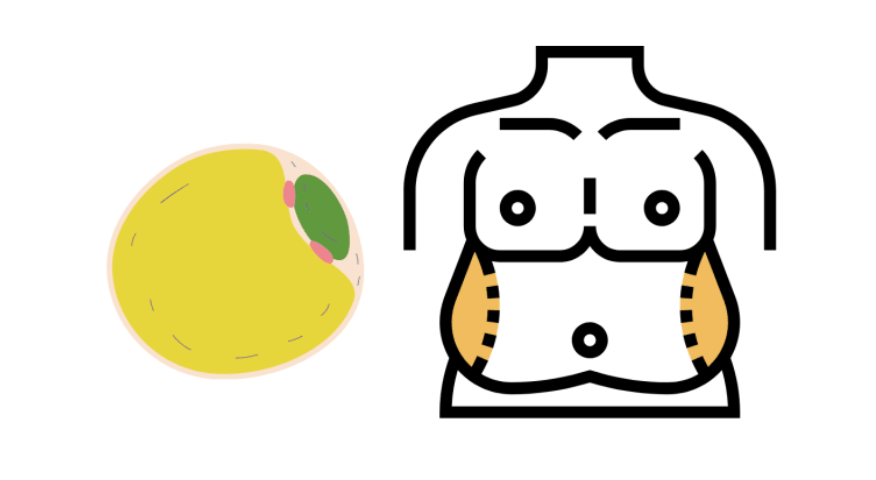
Cardiovascular surgeon Dr. Yang Chih-chun shared on his Facebook page that he often hears patients believe obesity is the source of disease, and that as long as they control their weight and stay slim, they can avoid cardiovascular disease. However, a lean appearance does not equal vascular health. These "skinny fat" individuals may actually be more prone to overlooking the hidden danger of high blood lipids.
He shared a case of a 65-year-old man who walked into the clinic with light steps and a slender figure, not looking at all like someone with "three high" issues. The man even paid great attention to his health and was quite confident about it. However, a blood test revealed his total cholesterol was as high as 263 mg/dL (normal <200 mg/dL), triglycerides were 216 mg/dL (normal <150 mg/dL), and "bad" cholesterol (LDL-C) was 166 mg/dL (normal ideally <130 mg/dL), a classic case of being "skinny fat."
Doctor Teaches 3 Things to Lower Risk, Triglycerides Plummet 92%
The doctor explained that while this group may not have much subcutaneous fat and doesn't look overweight, fat often accumulates around internal organs and within blood vessel walls. This invisible obesity is actually more dangerous than visible obesity because it easily leads to a loss of vigilance. Subsequently, the doctor advised the man to improve his condition through the following three major methods:
- Dietary Control: Reduce intake of refined carbohydrates and high-fat foods.
- Regular Exercise: Cultivate a habit of exercise to boost metabolism and maintain vascular elasticity.
- Regular Medical Check-ups: Follow medical advice for treatment and attend regular follow-up appointments to ensure health status.
After a period of adjustment, the man was tested again with significant improvements:
- Total Cholesterol: Dropped from 263 mg/dL to 130 mg/dL, a 50% reduction.
- Triglycerides: Dropped from 216 mg/dL to 18 mg/dL, a 92% reduction.
- Bad Cholesterol (LDL-C): Dropped from 166 mg/dL to 89 mg/dL, a 46% reduction.
- Vascular Hardening Index: Dropped from a red-alert value of 4.9 to a safe range of 3.5.
What is the Ideal Cholesterol Level? Good vs. Bad Cholesterol?
According to information from the Department of Health, cholesterol is a type of fat and a major component of cell walls, bile, and various hormones. Most of the cholesterol in the human body is produced by the liver, but it can also be obtained from animal-based foods like meat, fish, seafood, and dairy. Since cholesterol cannot dissolve in blood, it combines with a substance called "lipoprotein" to be transported throughout the body via the bloodstream.
The human body has a mechanism to regulate cholesterol, keeping blood cholesterol at normal levels. After consuming large amounts of high-cholesterol food, the liver naturally produces less cholesterol, and vice versa.
Some people's regulatory function in this area fails. After regularly consuming high-cholesterol foods, the cholesterol level in their blood rises, so they must carefully control their diet to prevent related health risks. Blood cholesterol can also be divided into "bad cholesterol" and "good cholesterol."
- Low-Density Lipoprotein Cholesterol (LDL-C, Bad Cholesterol)
- Ideal Level: Below 3.4 mmol/L (Below 2.6 mmol/L is even better).
- Harm: Accelerates the accumulation of fat in blood vessels, increasing the risk of coronary heart disease.
- High-Density Lipoprotein Cholesterol (HDL-C, Good Cholesterol)
- Ideal Level: Above 1.0 mmol/L (1.6 mmol/L or above is even better).
- Benefit: Helps prevent blood vessel blockage and rupture, lowering the risk of heart disease.
8 Ways to Lower Cholesterol and Prevent Stroke & Coronary Heart Disease
To prevent high blood cholesterol levels and reduce the risk of coronary heart disease and stroke, the Hong Kong Department of Health recommends cultivating good dietary and lifestyle habits to lower cholesterol, as follows:
1. Maintain a Balanced, Low-Fat Diet
Reduce intake of foods high in saturated and trans fats. Saturated fats solidify at room temperature. Their main source is animal fat, but some plant-based fats also contain them. Saturated fats make blood more prone to clotting, leading to arteriosclerosis, stroke, heart disease, etc., and promote cholesterol production in the liver, raising blood LDL-C levels. Their negative impact is greater than excessive dietary cholesterol intake.
Trans fats are formed during the hydrogenation of vegetable oils. They not only raise blood LDL-C levels but also lower HDL-C levels, increasing the risk of cardiovascular disease.
- Animal-based Saturated Fats: Fatty meat, meat with skin, butter, lard, full-fat milk and its products (e.g., cream, evaporated milk).
- Plant-based Saturated Fats: Palm oil, coconut oil and coconut products (e.g., coconut milk, desiccated coconut).
- Trans Fats: Margarine, shortening, and fried or baked foods made with these fats (e.g., biscuits, crisps, cakes, salad dressing, puff pastry, non-dairy creamer, French fries).
2. Dietary Cholesterol Intake Should Be As Low As Possible
While there is currently insufficient evidence to set a specific limit for dietary cholesterol intake, several medical organizations recommend that dietary cholesterol intake should be as low as possible. For healthy individuals, foods high in cholesterol but low in fat, such as eggs, squid, shrimp, and crab, should be counted within the "meat, fish, eggs, and alternatives" intake and consumed in moderation.
3. Increase Intake of Soluble Dietary Fiber
Food examples include vegetables, fruits, oatmeal, and legumes. Soluble fiber can bind with cholesterol-like substances (like bile acids) and excrete them from the body, helping to lower blood cholesterol levels.
4. Consume Unsaturated Fats in Moderation
Replacing saturated and trans fats with polyunsaturated and monounsaturated fats can lower "bad" cholesterol levels and keep blood vessels clear. Unsaturated fats are liquid at room temperature and mainly come from vegetable oils. Some seeds, nuts, and fruits also contain them.
- Sources of Unsaturated Fats: Olive oil, canola oil, peanut oil, corn oil, sesame seeds, pine nuts, walnuts, cashews, avocado, etc.
5. Maintain an Ideal Body Weight
The moderate Body Mass Index (BMI) range for Asian adults is 18.5 to 22.9.
6. Regular Exercise
Adults should engage in at least 150 minutes (2 hours and 30 minutes) of moderate-intensity aerobic physical activity per week.
7. Do Not Smoke
Nicotine in cigarettes raises blood cholesterol levels, lowers HDL-C ("good" cholesterol) levels, and accelerates the deposition of fatty plaques on blood vessel walls.
8. Limit Alcohol Consumption
Gradually reduce alcohol intake until completely abstaining to minimize alcohol-related harm.
The Department of Health reminds that if diagnosed by a doctor and requiring ongoing medication to lower cholesterol, patients should follow instructions to take medication on time and attend regular check-ups, and should avoid high-fat foods. Additionally, if family members have had heart disease or vascular diseases, extra attention should be paid to diet, and regular physical examinations are recommended.