Do water bottles need to be washed daily? A nutritionist has pointed out that if you neglect or make mistakes in three areas when using a water bottle, it can easily lead to bacterial growth and even the release of harmful substances, contaminating the water or drinks inside. Drinking from such a bottle can then affect your health. Some beverages are actually not suitable for being stored in a water bottle.
Nutritionist Gao Min-min reminded in a Facebook post that if your drinking container is problematic, even if you drink enough water every day, your body won't become healthier. There are many easily overlooked details when using water bottles, and making mistakes over the long term can lead to the accumulation of bacteria or toxins, potentially harming your health.
How Can Improper Use of Water Bottles Affect Health?
1. Choosing the Wrong Material
Many people reuse disposable plastic bottles for environmental reasons, but "Type 1 plastic" (PET / PETE) can release harmful substances with long-term use. Moreover, its surface easily harbors dirt, and the narrow opening makes it difficult to clean.
It is recommended to prioritize water bottles made of glass, stainless steel, or with a ceramic coating:
- Glass bottles are the safest choice as they do not release harmful substances and are less likely to retain odors or colors, but they are heavier and fragile.
- Stainless steel bottles are more durable and have good insulation properties, but ensure they are made of food-grade stainless steel (304 or 316). Inferior materials may contain heavy metals.
- Stainless steel bottles with a ceramic coating can prevent direct contact between the metal and the drink, reducing metallic odors.
If you choose to use a plastic bottle, it's recommended to select "Type 5 plastic" (PP) or "Type 7 plastic" (PC), as these materials are more heat-resistant and durable. However, still avoid leaving them in high-temperature environments like inside a car or under direct sunlight for extended periods.
2. Storing the Wrong Drinks
- Coffee, tea, traditional Chinese medicine: Contain tannic acid and pigments, easily leaving stains inside the bottle. Over time, these can turn yellow or black, are difficult to wash off, and can become breeding grounds for bacteria.
- Milk, soy milk, latte coffee: Rich in protein and sugar. If not cleaned immediately after drinking, residues can quickly spoil and breed bacteria.
- Fruit juice, carbonated drinks: Contain organic acids and sugar, easily leaving residues inside the bottle. They may damage coatings, are not easy to clean, and can lead to bacterial growth.
3. Not Cleaning Thoroughly or Not Drying
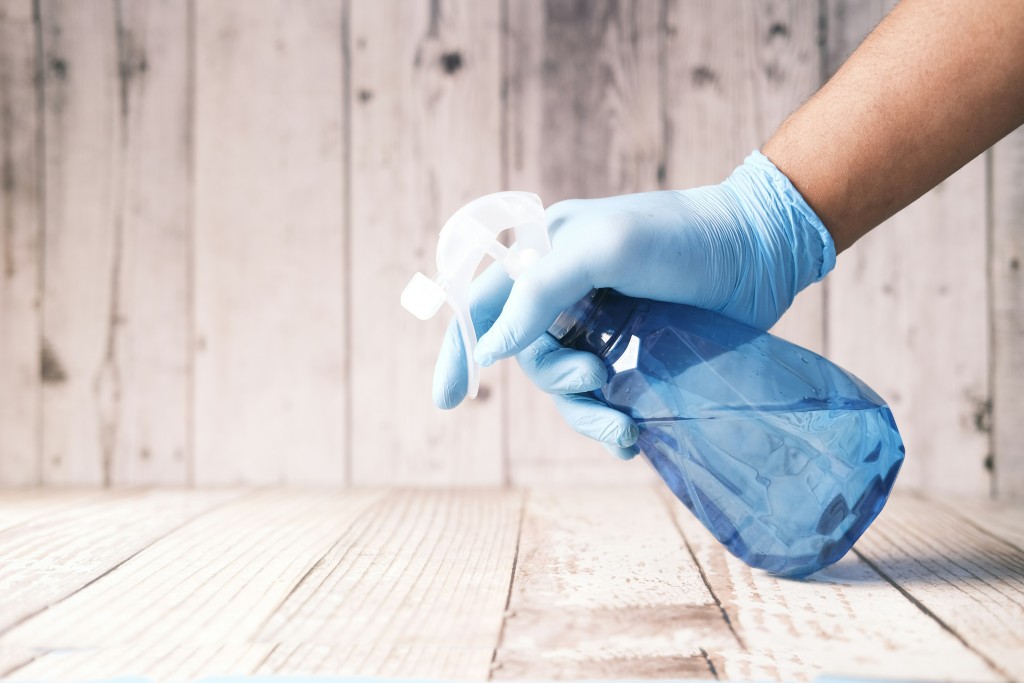
Many people think that if a water bottle is only used for drinking water, it doesn't need daily cleaning. This is actually a mistake. Water bottles should be washed at least once a day. Use warm water with detergent and a soft-bristled brush. Pay attention to corners, the cap, and the straw—these are the areas most prone to harboring dirt. Also, remember to remove and wash the silicone ring inside the cap to prevent mold growth. After washing, let it air dry upside down to avoid moisture promoting bacterial reproduction.